6 Knitting Light Clips For Nighttime Crafting
Struggling to see your stitches after dark? Discover the 6 best knitting light clips for nighttime crafting and brighten your projects today. Shop our top picks!
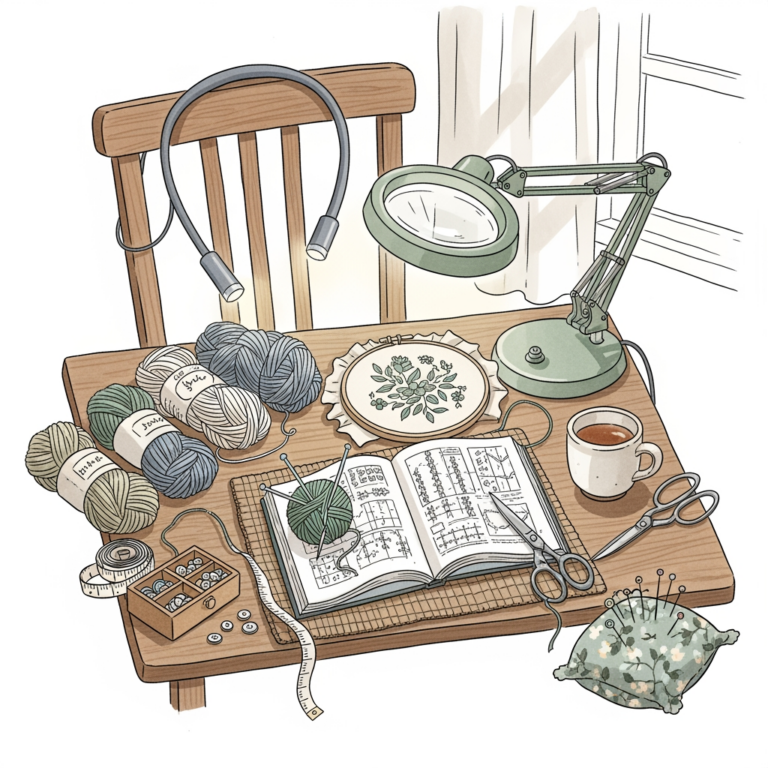
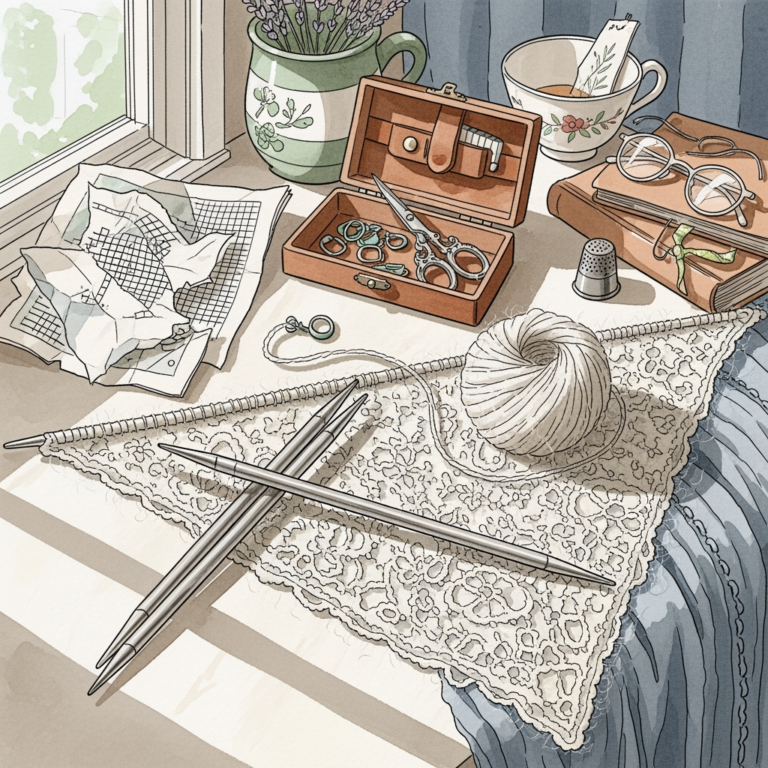
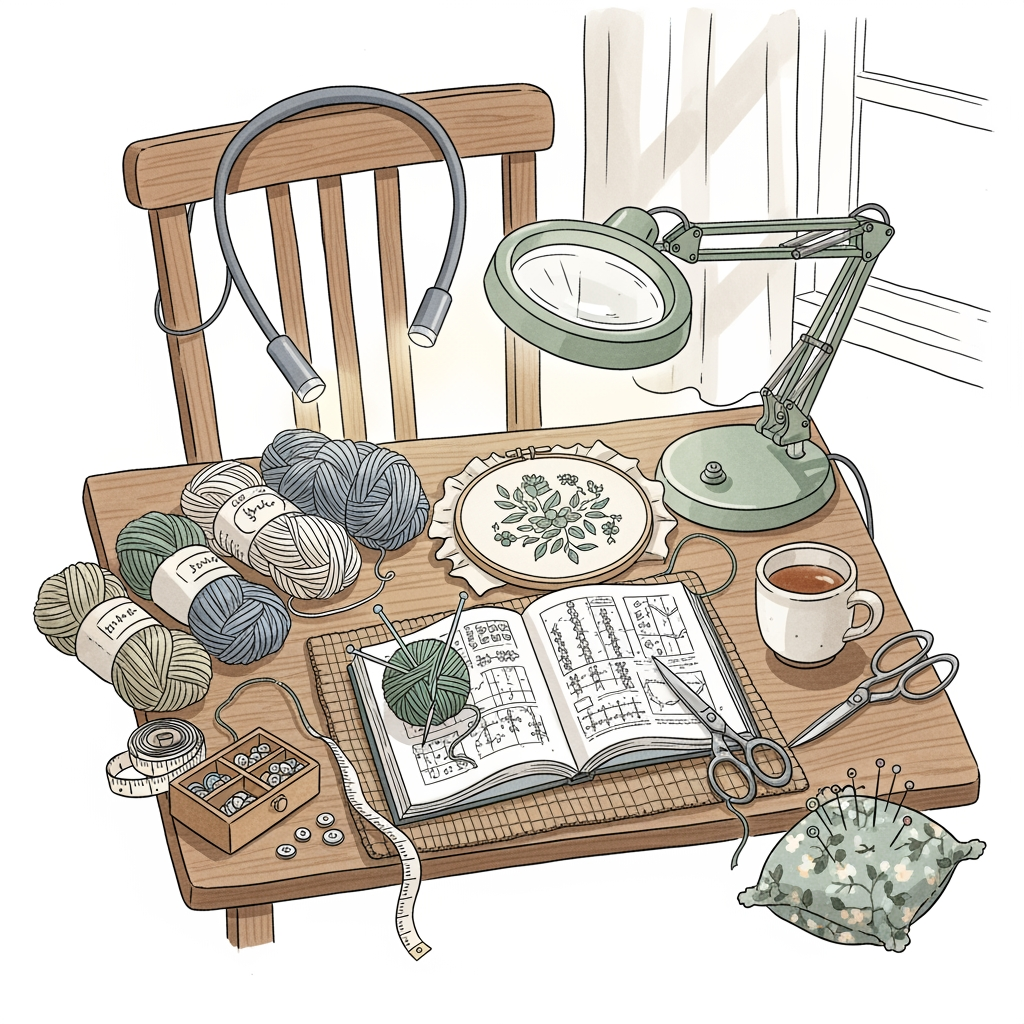
Whether working on a complex lace pattern by the fireplace or finishing a quick-knit hat during a car ride, proper illumination is non-negotiable for preserving stitch definition. Poor lighting leads to eye strain, missed dropped stitches, and unintentional increases or decreases in gauge. Investing in a dedicated knitting light transforms nighttime crafting from a squinting chore into a productive, relaxing ritual. The following selections provide the targeted, high-contrast illumination necessary for identifying intricate stitch patterns in any fiber type.
Glocusent LED Neck Light: The All-Around Winner


The Glocusent LED Neck Light stands out for its ergonomic, hands-free design that directs light precisely where the needles meet the yarn. Because the light source hangs around the neck rather than clipping to a surface, the beam remains steady even when shifting positions on the sofa.
This model features multiple color temperatures and brightness levels, allowing for adjustment based on whether the project involves dark navy wool or bright neon acrylic. When working with fine-gauge yarn or intricate cables, the ability to concentrate the light directly on the working needle tips is invaluable.
The trade-off with this design is the weight distribution; while comfortable for most, those with neck sensitivity may notice the device after several hours. Ultimately, its versatility across different needle sizes and yarn weights makes it the most reliable choice for a general-purpose knitting light.
Vekkia Rechargeable Neck Light: Most Comfortable
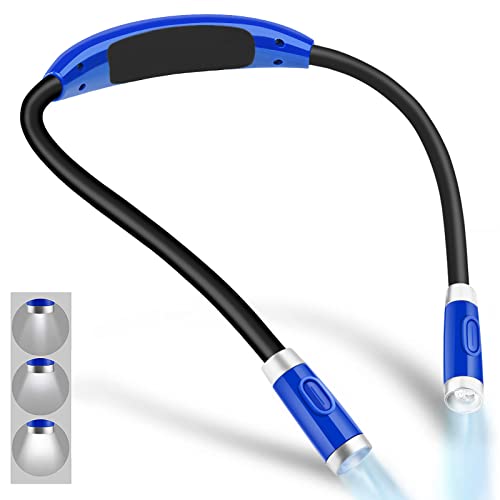
Comfort is paramount during long, multi-hour knitting sessions where physical fatigue can mirror eye fatigue. The Vekkia model features a soft, silicone-coated neckband that sits gently against the skin, minimizing irritation during long nights of stranded colorwork or complex brioche.
The light heads are slim and adjustable, ensuring they do not interfere with the natural movement of the arms or the yarn carriage. Unlike bulkier lights, this design maintains a low profile, which is particularly beneficial if the knitting posture involves leaning slightly forward over a project.
While it excels in comfort, the battery life may be shorter than heavier, corded alternatives. For those who prioritize a lightweight feel over extreme longevity, this remains the superior option for marathon knitting weekends.
LuminoLite Clip-On Light: Best for Portability

For knitters who frequent local fiber guilds, workshops, or travel often, the LuminoLite Clip-On Light offers a compact, stow-and-go solution. The clip mechanism is robust enough to attach firmly to a pattern holder, a nearby table edge, or even the arm of a chair.
Portability often comes at the expense of stability, as clip-on lights can wobble if attached to a flimsy surface. However, when mounted correctly, this light provides a powerful, focused beam that is perfect for tracking rows on a written chart or viewing a complex diagram.
It is an ideal secondary light to keep in a project bag for unexpected lighting changes. If the knitting happens primarily in a dedicated studio space, a neck-worn light might be preferable, but for the traveling maker, this device is indispensable.
The Beam N Read Light: Best for Reducing Eye Strain
The Beam N Read takes a different approach by focusing on a wide, diffused light beam rather than a narrow, intense spotlight. By illuminating the entire lap and the knitting project equally, it reduces the high-contrast glare that often causes eye fatigue during long sessions.
This is particularly useful when working with high-twist yarns or dark-colored fibers that require maximum clarity without the harshness of a direct LED beam. It provides a more natural, ambient lighting environment that mimics daylight.
While it may lack the portability of clip-on models, the sheer quality of the light makes it a favorite for those working on fine-gauge lace or projects requiring significant concentration. Investing in better light quality is often more effective for eye health than simply increasing the intensity.
Mighty Bright WonderFlex: The Most Flexible Option

The WonderFlex is defined by its highly maneuverable neck, allowing the light to be positioned at precise angles that standard clip-on lights cannot achieve. This flexibility is a game-changer when working with circular needles, where the cable or the project itself might obscure the light source.
The neck stays exactly where it is placed, resisting the tendency to sag under its own weight during extended use. This stability allows the knitter to direct the light directly onto the stitch being manipulated without constant readjustment.
While the clamp mechanism is strong, users should ensure it is attached to a stable surface to avoid unnecessary vibration. It is a sturdy, reliable tool for those who prefer a stationary light source that adapts to the project rather than the knitter.
CeSunlight Reading Light: Our Top Budget-Friendly Pick
The CeSunlight Reading Light proves that one does not need a significant investment to achieve quality lighting. It features a simple, effective clip design and adjustable brightness levels that are more than sufficient for everyday knitting tasks.
While it lacks the premium materials of higher-end models, it offers essential functionality without unnecessary complexity. It is an excellent choice for a beginner knitter or as a backup light to ensure that a project is never stalled by poor visibility.
When purchasing budget lights, focus on the warmth of the LED; some lower-end models can be overly blue, which can distort the true color of the yarn. A slightly warmer light setting will help maintain the accuracy of the colorwork.
Neck Light vs. Clip-On: Which Is Right for You?
Choosing between a neck light and a clip-on light depends entirely on the knitting environment. Neck lights provide a consistent, follow-the-action beam that stays with the knitter regardless of how often they shift their posture.
Clip-on lights, conversely, are better suited for stationary knitting, such as sitting at a desk with a project binder or a dedicated knitting chair. A clip-on light can provide a broader area of illumination but may require frequent adjustments if the knitter is prone to moving around.
Consider the physical toll as well; neck lights add a small amount of weight to the shoulders, while clip-on lights can be finicky if the available clipping surface is too thick or uneven. Evaluate the primary location of the crafting to determine which style aligns with the physical habits.
What to Look for in a Quality Knitting Light
When shopping, prioritize three main features: color temperature, battery type, and beam adjustability. A high-quality light should have a “warm white” or “daylight” setting, as these are the most accurate for discerning yarn color and texture.
Battery life is equally important; look for rechargeable lithium-ion batteries to avoid the constant expense and waste of disposable cells. Furthermore, check the “lumen” count; while more light is generally better, an overly bright light can cause glare on shiny fibers like silk or mercerized cotton.
Finally, consider the weight and the reach of the neck. A light that is too heavy will interfere with comfort, and a neck that is too short will not be able to reach around a large project, such as a heavy cabled sweater or a bulky blanket.
How Light Temperature Affects Your Yarn’s Color
Light temperature is measured in Kelvin, and it dictates how the yarn looks under the lamp. “Cool” light (higher Kelvin) is blue-tinted and can make colors look stark or icy, which might be helpful for identifying stitches but poor for color selection.
“Warm” light (lower Kelvin) provides a yellow or amber hue, which is more comfortable for the eyes but can make it difficult to distinguish between similar shades of blue or green. For knitting, a neutral, daylight-balanced light is usually the gold standard.
Always be aware that the light source can fundamentally change the appearance of the yarn; if color matching or fair-isle contrast is the goal, test the yarn under multiple lighting conditions before committing to the pattern.
Tips for Knitting with Dark Yarns in Low Light
Knitting with black or navy yarn in low light is notoriously difficult, as the fibers absorb the light rather than reflecting it. The most effective strategy is to use a high-contrast background, such as placing a white cloth or a light-colored pillow on the lap.
This technique uses the light that passes through the needles to reflect off the cloth, creating a silhouette of the stitches. Additionally, consider using a brighter, more focused light setting to illuminate the stitch loop from behind.
Lastly, do not hesitate to rely on tactile feedback. Experienced knitters often “feel” the stitch through the needles when visibility is low, relying on the tension and the position of the yarn over the fingers to ensure no stitches are dropped or twisted.
Equipping a knitting station with the right light is as important as choosing the correct needle material for a project. By selecting a device that balances comfort, battery life, and light quality, the transition from daylight to nighttime crafting becomes seamless. Remember that the best lighting solution is one that allows for hours of strain-free, accurate, and enjoyable stitching.