6 Best Button Kits For Hat Decorations To Try
Elevate your headwear style with our top 6 picks for button kits for hat decorations. Discover the best craft sets and start your DIY project today!
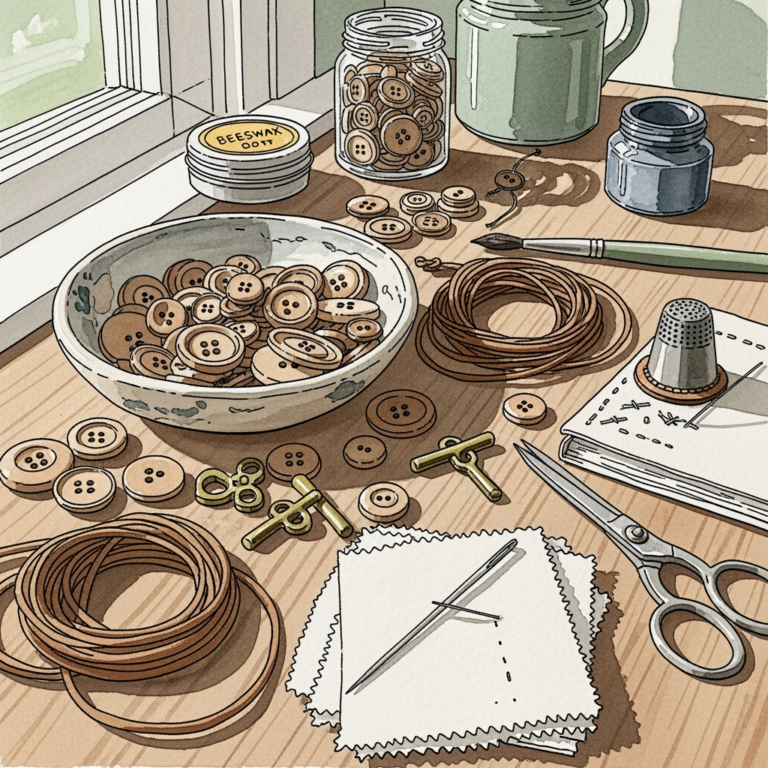
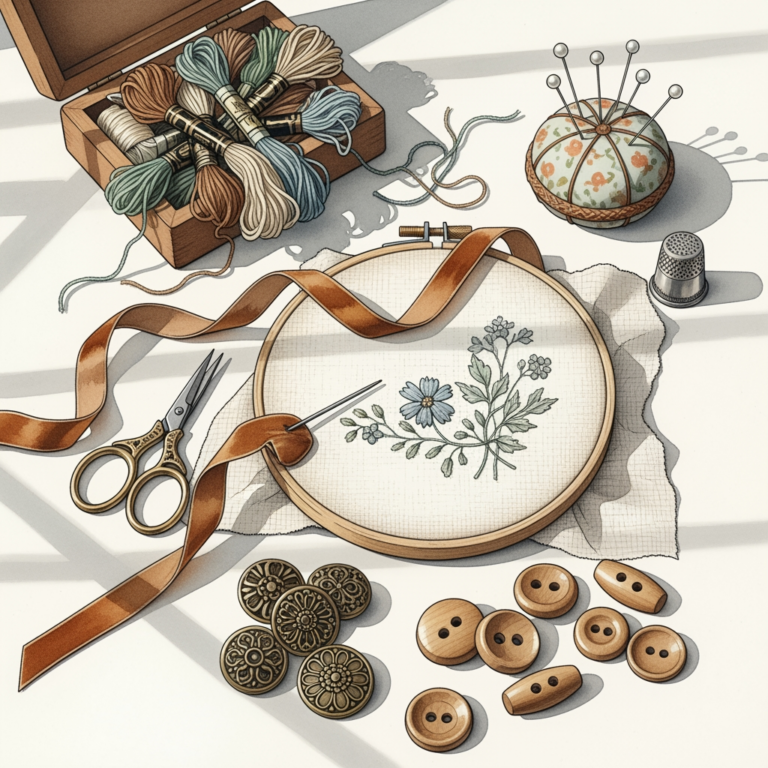
Adding a button to a finished hat transforms a basic accessory into a signature piece of knitwear. It provides a touch of texture, weight, and visual interest that elevates even the simplest stockinette crown. Choosing the right decorative element requires balancing the structural needs of the fabric with the aesthetic goals of the design. This guide navigates the essential button kits available for knitters seeking to perfect their finishing work.
Just Another Button Co. Pack: Best Overall Variety


These curated packs offer an exceptional range of colors and shapes, making them the go-to for knitters who dislike repetitive designs. The variety ensures that if a specific hat project shifts from a bold, chunky wool to a subtle, neutral alpaca, there is almost certainly a button in the mix to match.
The primary benefit lies in the cohesive color palettes that take the guesswork out of coordination. Because these buttons are often hand-dyed or specialty-crafted, they provide a boutique feel that mass-produced plastic buttons lack.
Consider these kits if you frequently knit gift items for others. Having a diverse stash at the ready allows for quick customization without needing to run to the craft store for every single project.
Smile and Wave Wooden Buttons: Best Rustic Charm
Natural materials like wood provide a grounding, organic contrast to the synthetic sheen of many acrylic yarns. These wooden buttons offer a warm, matte texture that pairs perfectly with earthy, wool-heavy projects like cables or moss stitch hats.
Wood reacts differently to the elements than metal or plastic, developing a slight patina over time. This makes them ideal for everyday winter beanies that see heavy use in cold, damp climates.
Keep in mind that these buttons may not be ideal for items intended for frequent machine washing. If the hat is made from delicate hand-dyed wool that requires careful handling, these buttons serve as a beautiful, durable finishing touch.
Dill Buttons Novelty Pack: Most Playful Designs
Novelty buttons bring a sense of whimsy to children’s knitwear or lighthearted seasonal hats. These packs often feature shapes like stars, animals, or geometric patterns that serve as an immediate conversation starter.
When using novelty buttons, placement becomes paramount. A heavy plastic novelty button can cause a lightweight, single-ply yarn to sag or lose its shape if it isn’t anchored to a sturdy, reinforced section of the knit fabric.
Always ensure these buttons are securely fastened. When knitting for infants or small children, verify that the shank is intact and the button is tightly sewn to prevent any potential choking hazards.
Buttonology Vintage Metal Tins: Best for Heirlooms
There is a distinct weight and elegance to metal buttons that suggests a level of craftsmanship suited for high-end fibers like cashmere or silk blends. These sets often lean into vintage aesthetics, featuring antiqued brass, silver, or bronze finishes.
Metal buttons are significantly heavier than their resin counterparts. When attaching them to a hat, it is essential to sew them onto a doubled-up section of knitting or a small piece of inner fabric to prevent the hat from pulling out of shape.
Opt for these when the project is an heirloom piece. They offer a timeless finish that will look just as sophisticated years from now as it does the day it is finished.
Katrinkles Acrylic Button Set: Best Modern Pop
Acrylic buttons provide bright, punchy colors that are difficult to achieve with natural fibers. They are lightweight, durable, and offer a crisp, clean aesthetic that complements modern, minimalist hat designs.
Because these are laser-cut, the edges are usually uniform and smooth, which prevents them from snagging on delicate mohair or high-twist wool yarns. They are an excellent choice for those who prefer a sleek, contemporary look over a vintage or rustic one.
These are ideal for beginner knitters. They are easy to sew, lightweight, and offer a wide range of colors that make matching to a specific yarn brand’s palette simple and straightforward.
Outus Resin Bulk Buttons: Best Value Pack
For the prolific knitter who finishes a hat every week, a bulk pack of resin buttons is a practical necessity. Resin is incredibly versatile, mimicking the appearance of bone, wood, or stone while maintaining the durability of plastic.
These buttons handle frequent washing and heavy wear without chipping or fading. They are the workhorses of the knitting world, meant for hats that will be tossed into a gear bag or worn while hiking and commuting.
Do not confuse durability with lack of style. Many modern resin buttons are finished with a matte coating that looks remarkably like natural materials without the associated maintenance concerns.
How to Choose the Right Button Size for Your Hat
The scale of a button should match the scale of your yarn. A 20mm button on a fingering-weight watch cap will look comical and feel too heavy, while a tiny 8mm button will disappear into a chunky, super-bulky knit.
Always consider the “visual weight” of the fabric. If you have worked a hat in a busy, multi-colored stranded pattern, keep the button simple and understated. If the hat is a plain, single-color ribbing, the button can serve as a bold focal point.
A quick tip for sizing: Use a paper template. Cut a circle out of cardstock that matches the diameter of the button you are considering and pin it to the hat to see if the proportion feels correct before committing to the sewing.
Sewing Buttons Securely onto Knitted Fabric
Never sew a button directly onto a single layer of loose, stretchy knitting. The weight of the button will eventually cause the stitches to stretch out and pull, leaving an unsightly hole in your beautiful work.
Use a small square of ribbon or a hidden “backing button” on the inside of the hat. This distributes the tension across several stitches rather than relying on just one or two, ensuring the button stays upright and secure.
Always use matching thread or a thin, strong yarn for sewing. If the button is heavy, a waxed sewing thread provides the most strength, but ensure the color matches the button shank or the yarn background so it stays invisible.
Wood vs. Plastic vs. Metal: Which Button is Best?
Each material carries trade-offs that influence how the hat wears over time. Wood is natural and warm but can be sensitive to moisture; metal is elegant and durable but heavy; plastic and resin are virtually indestructible and lightweight but can lack visual depth.
When choosing, look at the fiber content of your yarn. A heavy metal button on a loose-gauge acrylic hat is a recipe for a sagging, distorted edge. A lightweight plastic button on a dense, felted wool hat might look out of place and flimsy.
Choose based on the project’s intended use. If the hat is for high-activity outdoor sports, prioritize the durability of resin. If it is for a formal winter coat ensemble, lean toward the aesthetic weight of metal or wood.
Creative Ways to Use Buttons on Knitted Hats
Buttons aren’t just for decoration; they can be functional features of the hat construction. Consider adding a buttoned strap to allow a hat to be worn folded up or down, or use a large decorative button to anchor a faux-fur pom-pom so it can be removed for easier washing.
Buttons can also disguise an error in the crown decrease. If the shaping didn’t come out perfectly symmetrical, a large, centered button can act as a decorative “hub” that draws the eye away from the center point of the hat.
Get creative with placement. Try grouping three small buttons in a cluster for a modern, unexpected look, or use a button to attach a personalized tag to the brim for a professional, finished appearance.
Selecting the right buttons transforms a handmade hat into a polished, personalized accessory that reflects your unique style. By considering the weight of the material, the durability of the fastener, and the scale of your knitting, you can ensure that your hardware enhances rather than detracts from your craftsmanship. Take the time to test your options, and enjoy the process of adding that final, essential detail to your work.