6 Circular Needles For Complex Lace Projects
Find the best circular needles for complex lace projects. Explore our top 6 expert-tested picks to improve your stitch precision and start your next lace design.
Tackling complex lace requires more than just patience and a keen eye for chart reading; it demands equipment that can keep pace with intricate maneuvers. When working with fine cobweb or lace-weight yarns, the wrong needle tip can lead to split plies and dropped stitches. Selecting the right circular needle is the difference between an enjoyable project and a frustrating ordeal. Use these expert insights to curate a tool kit designed specifically for the demands of elaborate lace.
ChiaoGoo Red Lace: The All-Around Lace Champion


The ChiaoGoo Red Lace needles are widely considered the gold standard for versatility in the lace community. They feature a surgical-grade stainless steel construction that provides a smooth, fast glide without being so slick that stitches slide off prematurely.
These needles are prized for their signature sharp, tapering tips which make executing complicated decreases—like the ssk (slip, slip, knit) or the k3tog (knit three together)—significantly easier. The join between the needle and the cable is famously snag-free, a critical requirement when navigating delicate, thin yarns that tend to catch on the slightest bump.
If a project involves a mix of lace sections and stockinette, these needles provide the best balance of speed and control. They are the logical first choice for those seeking a single, reliable set that performs well across almost every fiber type.
HiyaHiya Sharps: Unmatched Pointiness for Nuups

When a pattern calls for nuups or complex bead placement, the HiyaHiya Sharps stand in a league of their own. These tips are exceptionally pointed, acting almost like a needle-tool hybrid that pierces the center of stitches with surgical precision.
This extreme sharpness allows for effortless manipulation of multiple loops, especially when working bobbles or clustered stitches that can otherwise distort the tension of a lace row. While the steel is very slick, the trade-off is an unparalleled ability to enter tight, dense stitches without struggle.
Note that because the tips are so fine, they can be sharp enough to prick fingers during long sessions. They are an essential tool for high-difficulty lace where precision overrides comfort, but they may be too aggressive for someone with a very light touch or a tendency to push the needle tip with a fingertip.
Addi Lace Brass Needles: For Speed and Precision

The Addi Lace Brass needles offer a refined, nickel-plated finish that provides a rapid, frictionless knitting experience. These are ideal for the knitter who values speed and is working with fibers that might be prone to “grabbing” on wood or bamboo surfaces.
The tips are pointed enough for standard lace maneuvers, though they are slightly more rounded than a dedicated “sharp” needle. This makes them a fantastic middle-ground choice; they are aggressive enough for complex decreases but forgiving enough to prevent the accidental piercing of yarn plies.
The brand is also renowned for its exceptionally supple, memory-free cables. For large shawl projects that require holding hundreds of stitches at once, the way the cable falls away from the work without coiling or kinking makes Addi a top-tier contender for lace.
KnitPro Karbonz: Durable and Uniquely Grippy

KnitPro Karbonz combine a high-tech carbon fiber shaft with sharp, nickel-plated brass tips. This unique construction addresses one of the primary challenges of lace knitting: the balance between a slick tip for stitch work and a slightly grippy shaft to keep the accumulated stitches secure.
Carbon fiber is incredibly lightweight and warm to the touch, which reduces hand fatigue during the hours required to finish a large lace project. The transition between the grippy carbon body and the polished tip is seamless, ensuring that work slides toward the point effortlessly but stays put when resting.
They are an excellent choice for knitters who find traditional metal needles too slippery, especially when using smooth, luxury fibers like silk or high-twist merino. They offer the structural integrity of metal with the tactile security of a wood-like texture.
Lykke Driftwood Needles: The Comfortable Wood Pick
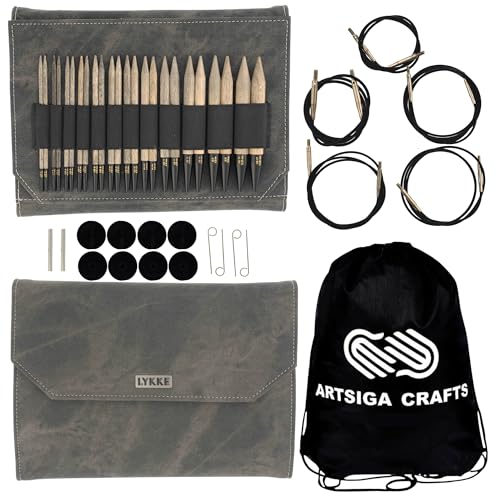
For those who find metal needles too cold or too fast, Lykke Driftwood needles provide a warm, organic alternative. Crafted from smooth, polished birch, these needles offer just enough friction to maintain perfect control over fine, lace-weight yarns.
The driftwood finish is remarkably snag-free, preventing the “splintering” effect often associated with cheaper wooden needles. While they do not have the needle-sharp points of a HiyaHiya, they are tapered sufficiently for most lace patterns and are far more comfortable for long-term, ergonomic comfort.
Wood is an inherently lighter material, which helps when a project grows heavy with the weight of its own stitches. Choose these for projects involving high-mohair content or very slick synthetic yarns, where a metal needle might cause the stitches to slide off the tip before the knitter is ready.
Signature Stiletto Tips: The Ultimate Lace Upgrade

Signature Needle Arts are frequently described as the “heirloom” choice for dedicated lace knitters. The Stiletto tip is a masterpiece of precision engineering, offering a point that is incredibly sharp yet smoothed to prevent the tearing of delicate fibers.
These needles are crafted from high-quality aluminum, which provides a rigid, consistent feel that many knitters prefer over the slight flex of other materials. The aesthetic appeal is unmatched, but the functional benefit lies in the weight balance; they feel substantial in the hand, which helps with rhythm and tension consistency.
Investing in these is a commitment, as they are a premium-priced tool. However, for the knitter who spends the majority of their time working on complex, heirloom-quality lace, the tactile satisfaction and precision of a Signature needle are difficult to replicate.
How to Choose the Right Point for Delicate Yarn
The sharpness of a needle tip should be dictated by the intricacy of the stitch work and the nature of the yarn itself.
- Sharp/Stiletto Tips: Essential for complex cables, nuups, and tight lace decreases where you need to penetrate the stitch accurately.
- Moderate Tips: Best for general lace work and fibers that are prone to splitting, like soft alpaca or loosely plied wool.
- Blunter Tips: Appropriate for very delicate or “fuzzy” fibers like mohair, where a sharp tip will constantly snag and break the fiber filaments.
Metal vs. Wood: Which Needle Material is Best?
The choice between metal and wood often comes down to the friction requirements of the fiber and the knitter’s personal speed.
- Metal: Offers the fastest speed and is ideal for sticky fibers or when working at a very high gauge. Use metal when the goal is to increase productivity.
- Wood: Provides a natural “stop” that prevents stitches from sliding off during intricate maneuvers. Use wood if your tension is naturally loose or if you are knitting with very slippery fibers like bamboo or silk.
Why Cable Quality Matters for Large Shawl Projects
A lace project often involves hundreds of stitches that spend most of their time sitting on the cable rather than the needles. If the cable is stiff, has a “memory” for coiling, or creates a sharp ridge at the join, the physical weight of the project will pull against the needles.
Look for cables that are supple, have a smooth join, and do not kink. A high-quality cable allows the project to drape naturally in the lap, reducing the drag that leads to uneven tension in the finished lace.
Fixed vs. Interchangeable: Which Set is Right?
The decision between fixed and interchangeable needles depends on your project habits and budget.
- Fixed Needles: Offer the smoothest possible transition, as there are no screw-on joins to catch yarn or potentially come loose. They are ideal for dedicated lace work where the cable length is perfectly matched to the project.
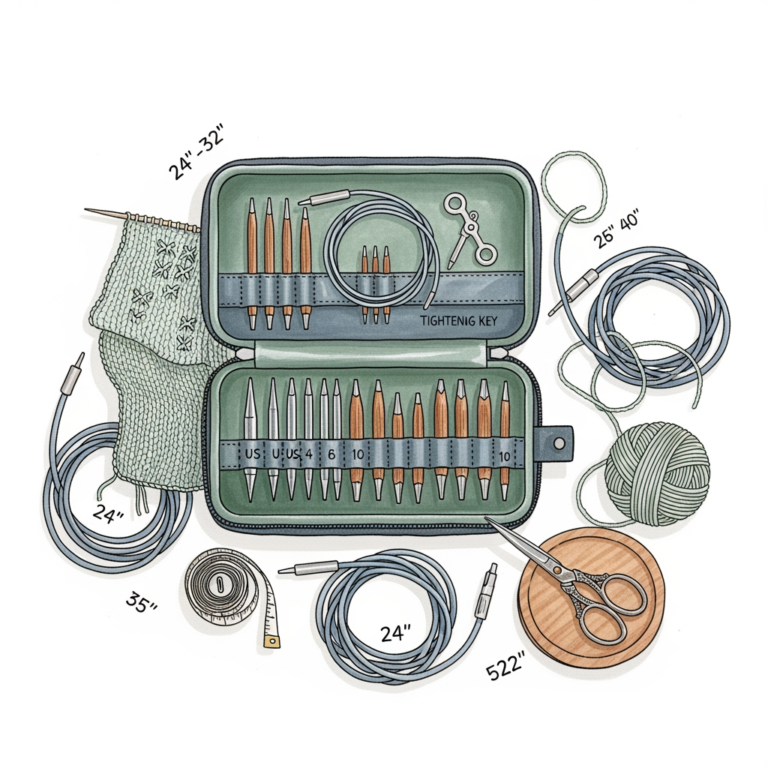
- Interchangeable Sets: Provide the ultimate flexibility to change tip sizes or cable lengths without moving the stitches. They are a smarter long-term investment, provided you tighten the joins securely before starting each session.
By carefully matching your needle choice to the specific demands of your lace pattern and your personal knitting speed, you transform a chore into a seamless creative flow. Whether you prioritize the absolute precision of a stiletto tip or the steady grip of high-quality wood, your equipment should work in harmony with your hands to bring delicate lace patterns to life. Investing in quality tools is not merely about convenience; it is about honoring the hours of effort put into every finished shawl.