
6 Best Highlighter Pens For Mystery Novel Clue Tracking
Organize your investigation with these 6 best highlighter pens for mystery novel clue tracking. Shop our top picks to master your next whodunit read today.
Tracking a Mystery Knit-Along (MKAL) requires precision, especially when patterns are released in fragmented, cryptic clues. Losing one’s place in a complex lace repeat or a colorwork chart can derail hours of careful progress. The right highlighter transforms a chaotic printed page into a clear roadmap for success. Choosing the proper tool is as essential as selecting the right needle size for the yarn’s weight and twist.
Zebra Mildliner: The Cult Favorite for Muted Tones
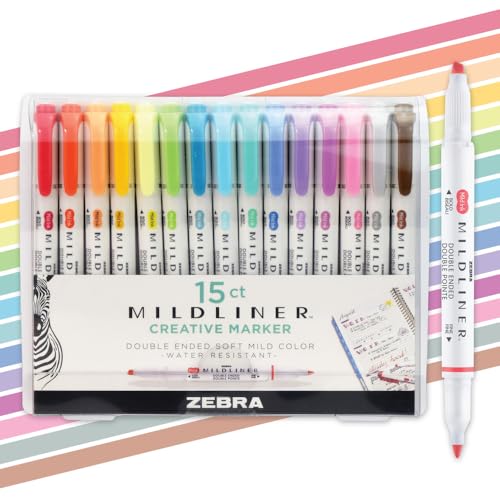

The Zebra Mildliner is prized for its soft, secondary color palette that prevents the eye from tiring during long knitting sessions. When working through complex charts for hours, bright neon inks can cause visual fatigue and make it difficult to distinguish between different symbol types.
These pens feature a dual-tip design, offering both a chisel end for blocking out whole rows and a fine bullet tip for marking specific increases or decreases. This versatility is ideal for multi-section projects like triangular shawls where stitch counts change frequently.
Because the ink is water-based and significantly softer than standard highlighters, it is less likely to obscure the fine print of a complicated knitting chart. While the lack of high-contrast pigment may require a second pass, it remains the top choice for those who prefer an aesthetically pleasing and soothing workflow.
Pilot FriXion Light: Best Erasable Highlighter

Knitting patterns often change, and errors are an inevitable part of the craft, especially when working on intricate lace or complex bobbles. The Pilot FriXion line uses thermo-sensitive ink that disappears completely when rubbed with the friction-generated heat of the built-in eraser.
This functionality is a lifesaver for knitters who find themselves recalculating stitch counts or realizing a pattern repeat was misread midway through a section. By being able to erase a highlighted line, the pattern remains clean and ready for a second attempt without the mess of scribbled-out ink.
Keep in mind that this ink can also disappear if a pattern is left in a hot car or near a steaming iron during the blocking process. Keep these highlighted sheets away from intense heat sources to ensure your tracked progress doesn’t vanish unexpectedly.
Sharpie Clear View: For Perfect, Straight Lines
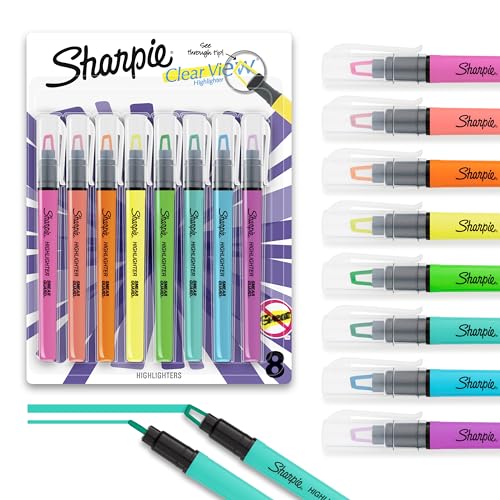
The Sharpie Clear View is designed with a transparent window in the tip, allowing the user to see exactly where the highlight will land before it touches the paper. For patterns with tightly packed row instructions, this precision prevents the accidental highlighting of the line above or below the target row.
This level of control is particularly beneficial when navigating dense text-based instructions or small-font charts. Seeing the upcoming text through the tip ensures that only the relevant information is marked, which reduces visual clutter and prevents reading errors.
The ink is vibrant and long-lasting, making it a reliable workhorse for large-scale projects like blankets or sweaters that may take several months to complete. If the goal is absolute accuracy when marking complex written instructions, this is the definitive tool.
Stabilo Boss Pastel: The Classic, Reimagined

The Stabilo Boss has been a staple in workshops and craft rooms for decades, and the pastel line provides a modern, functional update. These pens are known for their long ink life, making them an economical choice for knitters working on long-term projects with hundreds of rows.
The broad, flat chisel tip is ideal for “blocking” sections of a pattern, such as marking every 10th row on a long scarf or highlighting entire repeat blocks on a chart. It covers space quickly and effectively, allowing the knitter to get back to the needles sooner.
While the wider tip can be cumbersome for tiny, fine-print charts, its durability and consistent ink flow are unmatched. If the project involves simple, repeatable instructions, the classic architecture of this pen provides reliable performance that holds up under daily use.
Staedtler Textsurfer: No-Smudge Pattern Safety

The Staedtler Textsurfer uses a unique ink formula that is specifically engineered to be inkjet-safe, meaning it won’t smear text printed from standard home printers. This is a critical feature for knitters who download and print their patterns at home rather than using professionally bound books.
Standard highlighters often react with the oils in printer ink, causing an unsightly gray smudge that can render a printed stitch key unreadable. The Textsurfer’s proprietary formula locks the ink down, keeping your charts crisp and legible through weeks of handling.
The twist-cap design also prevents the tip from drying out if the pen is left uncapped during a late-night knitting sprint. For those who prioritize a clean, professional-looking pattern, this pen provides the necessary protection against ink transfer.
Mr. Pen Gel Highlighters: No Bleed-Through Ever
Gel highlighters operate more like a smooth crayon than a traditional felt-tip marker, providing an opaque layer of color that sits on top of the paper fibers. Because they are not liquid-based, there is zero risk of ink bleeding through to the back of the page, even on thin or low-quality printer paper.
This is especially helpful for double-sided patterns or reference sheets where the reverse side contains vital stitch definitions or abbreviations. Using a gel highlighter ensures that your notes on one side of the page do not interfere with the readability of the information on the other.
The only tradeoff is that these pens require occasional sharpening to maintain a fine point for intricate charting. However, their ability to glide over paper without bleeding or smudging makes them an excellent choice for knitters using lightweight or delicate paper stock.
How to Pick a Highlighter for Your Knitting Pattern
Selecting the right tool starts with understanding the medium of your pattern. If you are using a printed PDF on thin office paper, prioritize gel highlighters or those with non-bleed, quick-drying formulas.
Consider the complexity of the project when choosing a tip shape. A fine-tip or chisel-tip hybrid is best for complex lace charts where you need to mark a single row, whereas a broad chisel is perfect for highlighting large sections of a simple stockinette blanket.
Always test your highlighter on a scrap piece of the same paper your pattern is printed on. If the ink bleeds or the paper begins to pill, switch to a dry-style highlighter to preserve the integrity of your instructions.
Your Guide to Color-Coding MKAL Clues Effectively
When participating in a Mystery Knit-Along, assigning a specific color to specific types of instructions helps keep the project organized. Use one color for “knit/purl” sections and another for “lace repeats” or “cable crosses.”
This visual hierarchy allows the brain to process the pattern in chunks rather than reading a dense block of text. It simplifies the transition between different project sections and makes it easier to spot where a sequence might have been missed.
Consistency is the most important factor in a coding system. Create a legend on the front page of your pattern so that if you step away from the project for a few days, you can immediately re-orient yourself to your system.
Gel vs. Ink Highlighters: Which Is Right for You?
Liquid ink highlighters offer high luminosity and a smooth, fluid application, but they carry the risk of bleeding through paper or smearing fresh printer ink. They are best suited for thick, high-quality paper or pre-printed knitting books where the paper density is high enough to handle moisture.
Gel highlighters are the superior choice for thin, delicate, or double-sided paper because they deposit solid pigment rather than a liquid. They are more durable and won’t dry out if left open, but they lack the vibrant transparency of liquid markers.
For the precision-focused knitter, gel markers allow for more controlled marking on small charts. For the knitter who wants to see through their highlights to read text repeatedly, liquid ink remains the gold standard.
Preventing Smudges and Bleed-Through on Patterns
To keep a pattern pristine throughout the life of a project, always allow the highlighter ink to dry completely before touching the page with your hands. If you are working in a humid environment, ink will take significantly longer to set, increasing the chance of accidental smudging.
Store your patterns in plastic page protectors if you are prone to coffee spills or if you work with damp hands after steam-blocking a section. This provides an additional layer of protection that allows you to mark the plastic with a dry-erase marker instead of permanently altering the original paper.
If bleed-through does occur, place a piece of scrap paper behind the current page to protect the sheet beneath it. Ultimately, the best method for maintaining pattern longevity is to minimize friction and moisture whenever possible.
Selecting the right highlighter is a simple but transformative way to keep your focus on the stitches rather than the paperwork. With the right tool in hand, you can navigate even the most complex mystery project with clarity and confidence. Happy knitting.