6 Best Magnification Tools For Fine Detail Work
Struggling with intricate projects? Discover the 6 best magnification tools for fine detail work to improve your precision. Shop our expert recommendations today.
Fine detail work, such as fixing a dropped stitch in a dark mohair lace shawl or grafting a kitchener stitch on tiny 2.0mm needles, often pushes the limits of human eyesight. Proper magnification transforms these tedious tasks from sources of eye strain into manageable, precise maneuvers. Whether working with high-twist wools or shimmering silk-blend fibers, clear sight ensures consistency in tension and pattern accuracy. The following tools offer the optical clarity and ergonomic support necessary to maintain rhythm during complex, intricate projects.
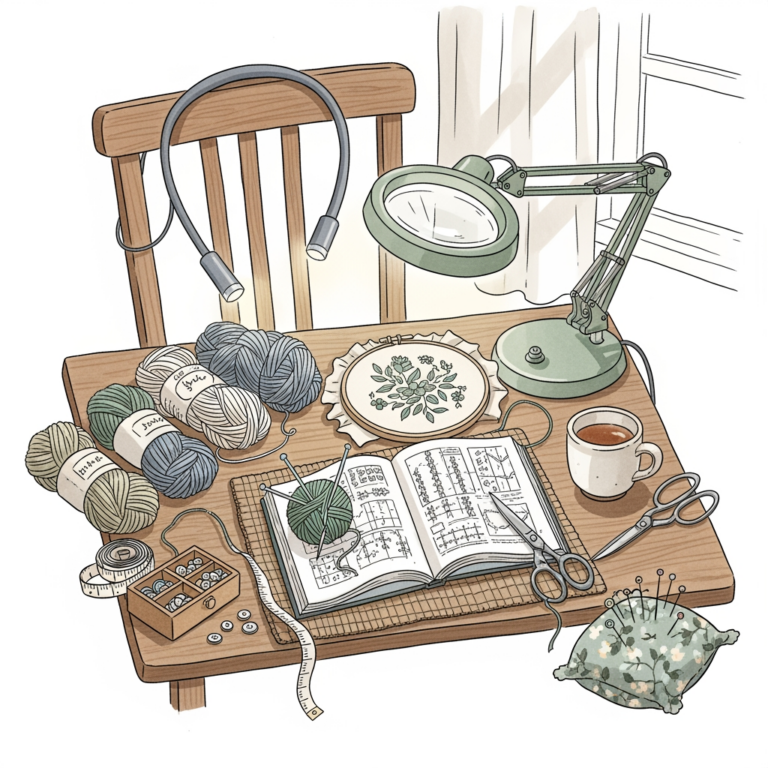
Brightech LightView Pro Floor Lamp: Best Overall
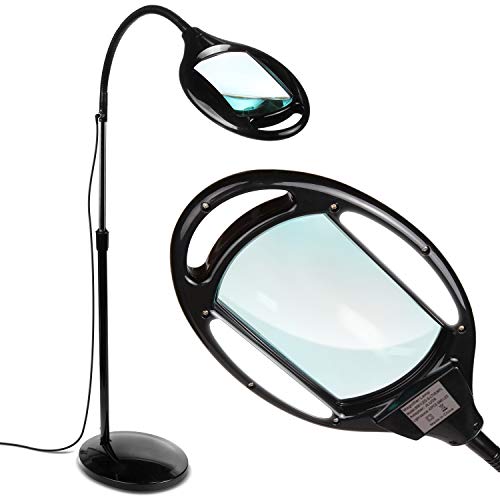

This floor lamp excels because it combines a high-quality optical grade glass lens with a robust, adjustable lighting system. For knitters working in low-light conditions or with dark-colored yarns like midnight blue alpaca, the light coverage is as important as the magnification itself.
The gooseneck design allows the lens to hover directly over the knitting needles without interfering with arm movement. This is a critical advantage when working on large projects like heavy-gauge cables or intricate intarsia where the fabric needs space to lay flat.
While the footprint of the base occupies floor space, the stability provided is unmatched by clamp-on alternatives. It remains a top choice for dedicated crafting nooks where long-term comfort and consistent, shadow-free illumination are the primary goals.
MagniPros LED Page Magnifier: Best for Charts

Complex colorwork and lace charts often feature tiny symbols that can be difficult to track over several hours of focus. A large-format page magnifier provides a wide field of view, allowing for the simultaneous reading of multiple rows without constant repositioning.
This tool is particularly effective when placed flat against a pattern board or a printed knitting book. Because it covers a broader area than a standard round lens, it reduces the need to hunt for the next instruction line during intricate stitch sequences.
The lightweight construction makes it portable, though it lacks the hands-free convenience of a headband. If the goal is pattern accuracy rather than physical needle manipulation, this magnifier is the gold standard for your workspace.
Donegan OptiVISOR Headband: Ultimate Precision

The OptiVISOR is a staple for artisans who require the highest level of optical clarity for extremely fine tasks. When working with fine laceweight yarn or repairing delicate silk fibers, this tool provides a level of magnification that makes every individual ply visible.
The head-mounted design ensures that the magnification follows wherever the gaze falls, which is essential for scanning a large knitting project for mistakes. It sits comfortably on the forehead, distributing weight evenly to minimize fatigue during long sessions.
Interchangeable lenses allow for varying levels of magnification depending on the project’s complexity. While the initial learning curve involves adjusting to the depth of field, the gain in precision for tasks like grafting or complex finishing is profound.
Carson MagniFlex Pro Neck Magnifier: Hands-Free
The neck-worn design offers a unique middle ground for knitters who find head-mounted units too heavy or obtrusive. It rests against the chest, keeping the magnifying lens positioned perfectly between the eyes and the needles without any strain on the head or neck muscles.
This setup is ideal for working with medium-to-large projects that sit in the lap, such as a sweater in progress. It allows for a natural, relaxed posture, which is essential for preventing the rounded-shoulder fatigue that often plagues long knitting sessions.
Because it is hands-free, there is no need to stop and adjust equipment when transitioning from picking up stitches to turning the work. It is an excellent balance of accessibility and utility for the everyday maker.
YOCTOSUN Headband Magnifier: Best Budget Pick

For those who need magnification for occasional tasks like weaving in stubborn ends or checking gauge on high-twist yarns, this budget-friendly headband provides excellent value. It features multiple magnification options that snap into place, covering most standard knitting needs.
The adjustable dial at the back ensures a secure fit, preventing the device from slipping during moments of intense focus. While the optical quality is not as refined as professional-grade glass lenses, it is more than sufficient for identifying missed yarn-overs or dropped stitches.
It is a practical investment for the knitter who is curious about magnification but does not want to commit to high-end equipment immediately. The inclusion of an LED light provides a helpful boost when working with dark, low-contrast fibers.
iMagniphy Clip-On Magnifier: Most Portable
Sometimes the need for magnification arises while traveling or attending a knitting group away from home. A clip-on magnifier attaches directly to glasses, making it the most discreet and portable option for fine-detail work on the go.
The convenience of having magnification attached to standard eyewear cannot be overstated for mobile knitters. It requires no extra floor space or heavy headsets, slipping easily into a project bag alongside circular needles and stitch markers.
Tradeoffs involve the weight added to the front of existing glasses, which may become uncomfortable after extended use. However, for quick fixes or short periods of detailed work during a commute, it is an indispensable tool.
How to Choose the Right Magnification Strength
- 1.5x to 2x magnification: Best for general knitting tasks, such as monitoring stitch tension and pattern reading.
- 2.5x to 3x magnification: Ideal for intricate lace, cabling, and working with very fine yarns that require precise needle placement.
- 3.5x and higher: Reserved for specialized tasks like mending antique knitwear or detailed fiber repairs where seeing individual yarn plies is mandatory.
Choosing a strength that is too high often results in a very shallow depth of field, which makes it harder to maintain a rhythm. Start with a lower magnification to keep the knitting area in focus, moving up only when the visual detail is insufficient for the task at hand.
Lighting Matters: LED vs. Fluorescent Lamps
LED lighting has become the preferred choice for knitters due to its cool operating temperature and longevity. Unlike older fluorescent bulbs, LED lamps do not flicker, which is vital for preventing eye strain during long-term projects.
Color accuracy is another major factor, especially when matching yarn colors or working on complex stranded colorwork. Look for “daylight” rated LEDs, which provide a neutral spectrum to ensure colors appear exactly as they will in natural light.
Fluorescent lights may still be found in older magnifying lamps, but they are prone to buzzing and slow warm-up times. Transitioning to LED will significantly improve visual comfort and make color nuances in fiber much easier to discern.
Hands-Free vs. Handheld: What’s Right for You?
Handheld magnifiers are convenient for quick spot-checks, but they inevitably occupy one hand, which is usually needed for holding needles or yarn. For consistent, long-term work, a hands-free solution is almost always superior to maintain the flow of the craft.
If the focus is on a stationary project, a floor-standing or table-mount lamp is excellent for keeping the field of view consistent. If the project requires constant movement, such as knitting socks or mittens, a head-mounted or neck-worn device will better accommodate the changing angle of the work.
Match the tool to the physical habits of the knitting style. Always prioritize ergonomics over portability if the intention is to use the tool for hours at a time.
Tips to Avoid Eye Strain While Using Magnifiers
Even with the best magnification, the eyes need rest to remain sharp. Follow the 20-20-20 rule: every 20 minutes, shift the gaze to something at least 20 feet away for 20 seconds. This prevents the focusing muscles from locking up after prolonged close-range work.
Ensure the workspace is illuminated to match the brightness of the magnifier’s light, which reduces the constant adjustment the pupils must make when glancing away from the work. Proper posture also plays a role, as neck tension often manifests as visual fatigue.
Keep lenses clean with microfiber cloths to prevent smudges from causing unnecessary blur. Clear, steady light and a relaxed physical posture are the true secrets to sustained, high-detail knitting success.
Investing in a quality magnification tool is an investment in the longevity of the knitting journey. By reducing eye fatigue and increasing precision, these tools allow makers to tackle complex patterns with confidence and ease. Remember that the best tool is one that seamlessly integrates into the crafting rhythm without being a distraction. With the right setup, even the most intricate projects become sources of joy rather than strain.