
6 Best Furniture Polish Cloths For Antique Wood Maintenance
Keep your heirlooms looking pristine with our expert guide to the 6 best furniture polish cloths for antique wood maintenance. Shop our top picks to get started.
Antique furniture demands the same level of care as a hand-knitted heirloom lace shawl. Just as the wrong gauge or an abrasive needle can ruin a delicate mohair project, improper dusting or polishing materials can permanently damage aged wood finishes. Selecting the right cloth is the difference between preserving a patina and stripping away years of character. Understanding the material science behind wood maintenance ensures that your collection remains in showroom condition for generations.
Weiman Furniture Wipes: For Quick, Easy Touch-Ups


Pre-moistened wipes are the equivalent of having a set of circular needles ready to go when inspiration strikes. They eliminate the need for secondary spray bottles or messy liquid polishes that might pool in the crevices of intricate carvings.
These wipes contain surfactants specifically formulated to lift oils and grime without leaving a greasy residue. Much like using a pre-wound ball of yarn, the convenience factor is high, making them ideal for high-traffic areas like dining tables or sideboards.
However, convenience has a trade-off. Because they are saturated with chemical agents, they are best reserved for occasional maintenance rather than heavy cleaning. If you use them too frequently, you risk a wax buildup that can dull the luster of the wood over time.
Guardsman Dusting Cloths: Best For Daily Dusting
Daily maintenance is the backbone of furniture longevity, much like maintaining consistent tension during a long-term knitting project. Guardsman cloths are specifically engineered to trap dust rather than simply pushing it around the surface.
These cloths are chemically treated to lift dust particles, preventing them from becoming abrasive agents. When dust settles on antique wood, it acts like tiny grit, slowly scratching the finish every time an object is moved across it.
If you are a knitter who keeps finished garments on display, these are an excellent choice for cleaning the wood surfaces underneath. They ensure that fine particles don’t migrate onto your wool fibers. Stick to these for daily upkeep to avoid the need for more intensive restorative polishing.
Zwipes Microfiber Cloths: Most Versatile Option

Microfiber is the workhorse of the polishing world, much like a reliable high-twist wool blend is the go-to for durable socks. The split-fiber construction of Zwipes allows them to reach into the microscopic imperfections of a wood finish to lift out debris.
These cloths are exceptionally absorbent and can be used dry for dusting or dampened with a tiny amount of water for spot cleaning. Because they are synthetic, they don’t leave behind the lint that cotton often sheds during a vigorous buffing session.
The versatility here is the main draw. If you keep a stash of these, you can dedicate one for cleaning, one for applying polish, and one for final buffing. Avoid using fabric softener when washing them, as it ruins the electrostatic charge that makes microfiber so effective at capturing dust.
The Rag Company Edgeless: For A Buffed, Fine Finish
When the goal is a mirror-like shine, edge quality matters just as much as it does when finishing a project with a clean, invisible bind-off. The Rag Company Edgeless cloths feature a sonic-cut edge that prevents scratching the wood during circular buffing motions.
These cloths are incredibly plush, designed to glide over delicate antique surfaces without snagging on wood grain or finish imperfections. They are the ideal choice for applying final coats of furniture cream or hard wax to high-end antiques.
Because they are so thick, they provide a gentle cushion that protects the surface from too much pressure. Always use a fresh side of the cloth as you work to ensure you aren’t simply moving polish residue back onto a clean area.
Howard Products Wax-Treated Cloth: For Applying Wax
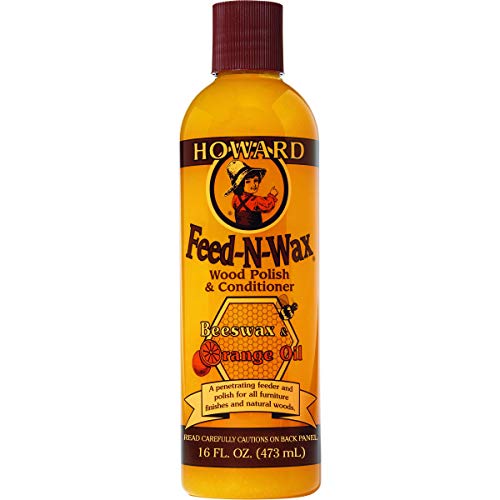
Waxing is the ultimate treatment for antique wood, similar to the final blocking process that brings a knitted garment to its finished shape. These pre-treated cloths are infused with high-quality waxes that nourish the wood while providing a protective barrier.
They are designed to be used in conjunction with paste waxes or furniture oils to distribute the product evenly across the grain. The wax is already embedded in the fibers, which prevents the uneven splotching that often happens when applying product directly to the wood surface.
Use these for periodic deep-conditioning sessions. They are not intended for daily dusting, as the wax content can become overly heavy if over-applied. Think of this as the “deep conditioning” step for your wood, performed only when the finish begins to look dry or dull.
Scott Shop Towels: A Tough, Disposable Choice
Sometimes you need a material that can withstand heavy-duty grime removal without the risk of contaminating your reusable cloths. Scott Shop Towels are surprisingly gentle on wood surfaces, despite being marketed for the garage.
They are essentially a heavy-duty, reinforced paper towel that does not disintegrate when wet. If you are cleaning up a spill or dealing with a particularly sticky area that would ruin a microfiber cloth, these are the pragmatic choice.
They serve the same function as a rougher wool fiber used for a rugged sweater, designed to get the job done when delicate handling isn’t the primary concern. Always keep a roll on hand for those messy accidents where you wouldn’t want to risk your expensive polishing cloths.
Choosing Your Cloth: Microfiber, Cotton, or Wipes?
The choice of tool is dictated by the specific needs of the wood and the type of finish present. Much like selecting the right needle material—wood for grip, metal for speed—your choice of cloth changes the outcome of the job.
- Microfiber: Best for general dusting and final buffing. It traps particles but can be snagged by rough wood surfaces or loose finish.
- Cotton: A soft, lint-free cotton diaper or old t-shirt is the traditional choice for applying oils, as it absorbs liquids effectively without harsh friction.
- Wipes: Reserved for speed. Use these when you are in a rush and need a quick touch-up, but be wary of long-term chemical accumulation.
Consider the surface finish before committing to a cloth. If the finish is cracked or “alligatoring,” avoid microfiber, as the tiny loops may catch on the cracks and lift away thin flakes of the varnish. In those cases, stick to soft, worn cotton to ensure a smooth, snag-free application.
How to Properly Polish Antique Furniture Surfaces
The process of polishing antique wood is a lesson in patience and precision, just like grafting two ends of a knitted sleeve together. Start by dusting the surface thoroughly with a dry cloth to prevent scratching the finish.
Apply your chosen polish to the cloth rather than directly to the wood, unless the product instructions state otherwise. This prevents the polish from pooling in crevices, which can cause finish damage or dark spots.
Work in small, circular motions, following the direction of the wood grain as much as possible. Once the polish is applied, use a secondary, clean cloth to buff the surface until it feels smooth and looks uniform. Never apply too much pressure, as this can wear down the integrity of an aged, thin finish.
Caring For Your Reusable Polishing Cloths
Your polishing cloths represent an investment that will outlast many household products if cared for correctly. Wash microfiber cloths in warm water with a mild detergent, ensuring they are rinsed thoroughly to remove all soap residue.
Never use fabric softener, as it coats the fibers and prevents them from picking up dust. It is the fiber arts equivalent of washing a delicate lace piece in harsh chemicals; it will compromise the functionality of the tool.
Store your cloths in a clean, dust-free container so they don’t collect debris while waiting for the next use. If a cloth becomes too saturated with wax or polish, it is safer to retire it or use it for non-furniture tasks rather than risking a transfer of grime back onto your antique pieces.
Can You Use Paper Towels on Antique Wood?
Standard kitchen paper towels are generally too abrasive for the delicate finishes on antique wood. While they seem convenient, the wood pulp fibers can create microscopic scratches, effectively dulling the finish over time.
They are also highly absorbent, which means they tend to soak up too much of your furniture polish, resulting in a waste of product. Think of standard paper towels like cheap, poorly spun acrylic yarn; they lack the quality and structural integrity to perform the task without causing unintended wear.
Reserve paper towels for cleaning non-porous surfaces like glass or metal hardware. When working on antique wood, prioritize soft, non-abrasive fibers that can handle the product without stripping or scratching the surface.
Proper tool selection is the silent partner in the longevity of your antique furniture. By approaching maintenance with the same care and discernment you apply to your finest knitting projects, you ensure that every piece in your collection maintains its integrity and beauty for years to come.
