6 Best Rolling Luggage For Workshop Supplies
Organize your gear with ease. Discover the 6 best rolling luggage for workshop supplies to keep your tools mobile and secure. Shop our top picks for pros today.
Hauling heavy equipment to a weekend workshop can turn a joyful creative retreat into a grueling physical workout. Without the right gear, delicate needle sets, expensive hand-dyed yarns, and bulky equipment risk damage or displacement during travel. Finding the perfect rolling luggage ensures that everything from swatches to sewing machines arrives in pristine condition. Investing in a structured transport system preserves your tools, allowing for more focus on the craft and less on logistics.
Tutto Machine On Wheels: Best for Sewing Machines


The Tutto Machine on Wheels is the gold standard for transporting precision equipment like sewing machines or heavy electronic ball winders. Its rigid, internal frame provides a protective cage that prevents sensitive dials and delicate components from being crushed in transit.
For those who bring a machine to finish seams on a hand-knit garment, this level of stability is non-negotiable. The vertical orientation maximizes space, ensuring the machine stays upright and balanced even when navigating crowded conference halls or uneven parking lots.
Be mindful that this case is specifically engineered for a high degree of protection, which adds weight to the overall package. It is the ideal choice for someone who prioritizes machine security over lightweight portability.
Everything Mary Rolling Tote: Most Versatile
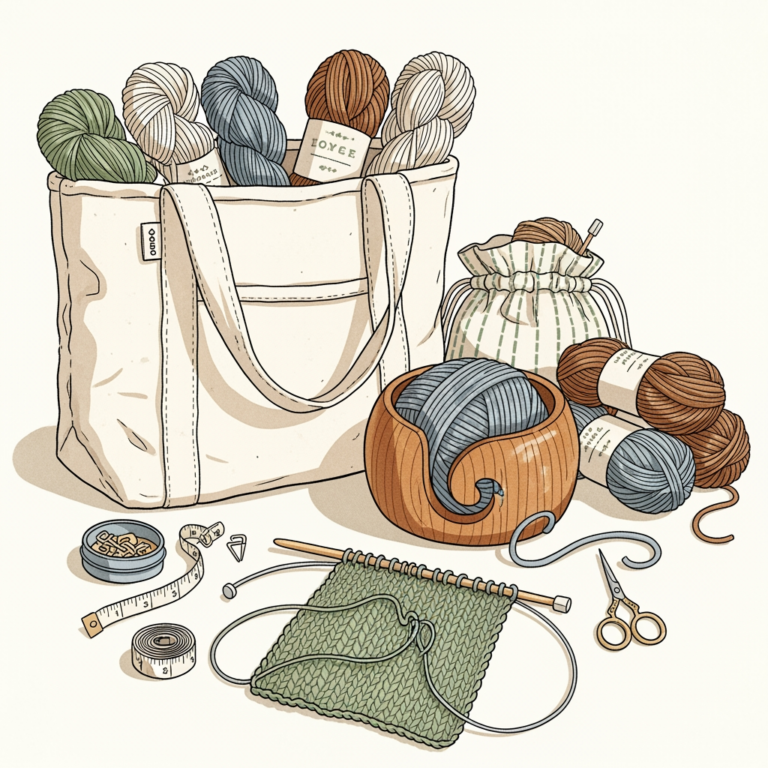
The Everything Mary Rolling Tote acts as a mobile studio, featuring an abundance of pockets designed for the specific inventory of a fiber artist. Deep side pockets accommodate tall knitting needles or circular needle cases, while the clear interior pouches keep notions like stitch markers, tapestry needles, and measuring tapes visible.
This bag excels for those who carry a mix of current projects and necessary support gear. The aesthetic is often more casual than industrial-grade luggage, making it a favorite for retreats where equipment is moved frequently between a car and a workshop table.
While the organization is excellent, the soft-sided construction means it offers less impact resistance for delicate electronic equipment. Reserve this for yarn, patterns, and non-fragile hand tools.
Yazzii Crafter’s Companion: Best Large Capacity
The Yazzii Crafter’s Companion is effectively a vertical filing cabinet for the knitter who cannot bear to leave a single tool behind. Its massive capacity allows for the storage of multiple project bags, spare yarn cakes, and even bulky blocking mats.
Large volumes of gear can quickly become disorganized, so the tiered storage system is a critical advantage here. It prevents the “bottomless pit” effect where needles become buried under heavier skeins of wool, risking bent tips or snagged delicate fibers.
Consider this option only if there is a requirement to transport a full library of supplies. If the intent is to travel light, the footprint of this bag might feel unnecessarily large for a single-project trip.
Honey-Can-Do Rolling Cart: Best Open-Top Option

The Honey-Can-Do Rolling Cart is essentially a mobile shelf, providing instant access to supplies without the need to unzip, unlatch, or dig through layers of fabric. It is a superb choice for workshops where the workspace is limited and items need to be accessed constantly.
Because the top is open, this cart is best suited for indoor transit environments like a convention center or a studio loft. It is not designed for harsh weather or long-distance travel, but it is unmatched for pure convenience during a multi-day class.
Always ensure that smaller items are contained in secondary zip-top bags or clear bins within the cart. An open-top design is a recipe for losing a favorite set of rosewood needles if the cart tips or bumps into a doorframe.
Travelpro Maxlite 5 Carry-On: Most Durable Pick
Travelpro is the industry leader for a reason, utilizing aviation-grade fabrics and zippers that withstand the rigors of heavy transit. While not explicitly designed for yarn, the Maxlite 5’s interior is a blank canvas that can be customized with modular organizers.
This luggage is the superior choice for traveling by air, where equipment must survive overhead bins and airport handling. The wheels are exceptionally smooth, which protects the contents from the jarring vibrations that can settle a bag of neatly wound yarn into a tangled mess.
The tradeoff is the lack of dedicated craft-specific pockets. However, the durability of the outer shell is far superior to most “craft bags” on the market.
Olympia Tools Pack-N-Roll Cart: Best on a Budget
The Olympia Tools Pack-N-Roll is a collapsible utility crate on wheels that serves the needs of the budget-conscious maker perfectly. It folds flat when not in use, making it the top choice for knitters with limited closet space.
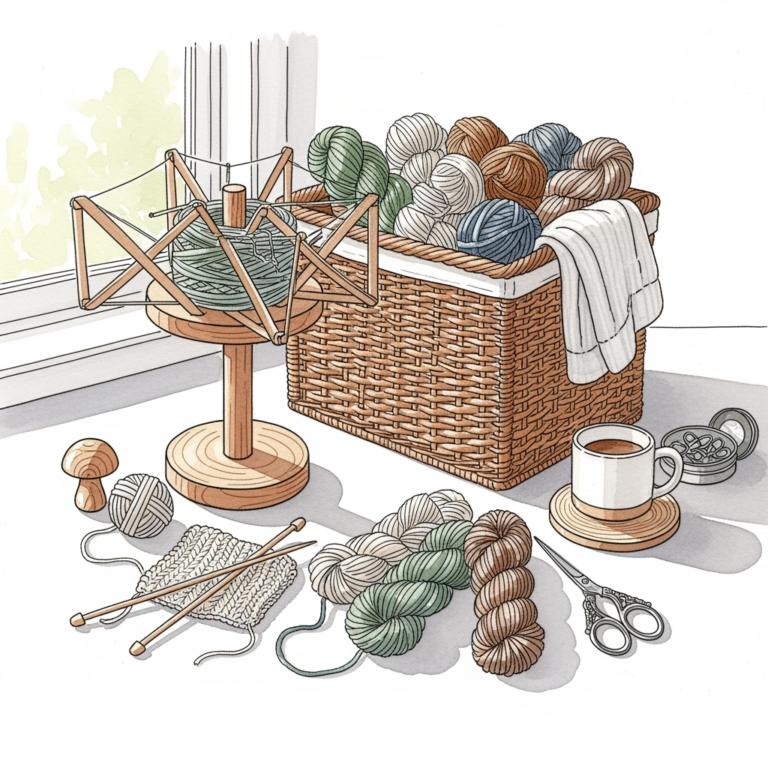
This cart handles the weight of heavy wool stashes surprisingly well. It is rugged and utilitarian, allowing for the transport of heavy reference books, multiple cones of yarn, or even a tabletop yarn swift.
Do not expect high-end aesthetics or sophisticated compartmentalization. It is a rugged tool for getting heavy items from point A to point B, not a fashion statement for the craft room.
Choosing the Right Size Bag for Your Supplies
Selecting the correct size requires a realistic assessment of the total weight and volume of the project. If the kit includes bulky accessories like a wooden swift or heavy iron, a larger, rigid case is mandatory to prevent structural failure.
- Small (Carry-on): Ideal for lace projects, socks, or small swatches; keeps needles and yarn protected in overhead bins.
- Medium (Upright Tote): Best for sweaters, cardigans, or medium-sized projects requiring extra notions.
- Large (Rolling Trunk): Necessary for multiple projects, bulky yarn stash, and large-format pattern binders.
Avoid the temptation to buy a bag that is exactly the size of current supplies. Always leave 20% extra space for “yarn acquisition,” which inevitably happens at every quality workshop or fiber festival.
How to Pack Your Bag for a Weekend Workshop
Prioritize heavier items at the bottom of the bag to keep the center of gravity low and prevent tipping. Place yarn in clear, waterproof bags to protect fibers from moisture and snagging on zippers or interior hardware.
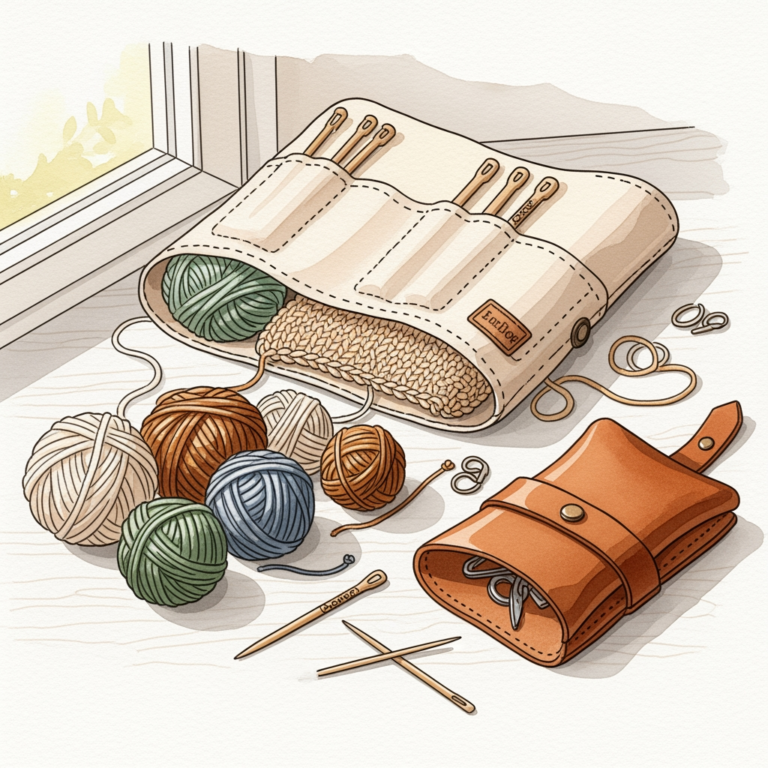
Sharp tools, particularly circular needle tips, should always be kept in a dedicated, hard-sided needle case. Never toss loose needles into the bottom of a bag, as the friction can wear down delicate finishes on bamboo or plastic needles over time.
Distribute weight evenly across the base of the bag. An imbalanced load puts stress on the wheels and handle, leading to premature mechanical failure and a much harder time navigating transitions from sidewalk to carpet.
Hard vs. Soft-Sided Luggage: Which is Better?
Hard-sided luggage provides a physical barrier against impact, which is essential if carrying fragile items like glass-head pins or electronic looms. However, they lack flexibility, meaning that once the space is filled, no further items can be squeezed in.
Soft-sided bags offer more “give,” which is useful for stuffing in that extra skein of luxury alpaca yarn found at the last minute. The trade-off is a lack of protection; a heavy item dropped on a soft-sided bag will transmit the force directly to the contents inside.
If the travel involves checking bags on an airplane, choose hard-sided. If the gear stays with the knitter in a vehicle or a cabin, soft-sided provides the versatility needed for the shifting demands of different craft projects.
Keeping Your Gear Secure and Organized on the Go
Organization is the final hurdle to a stress-free workshop experience. Utilize clear, modular packing cubes to group items by function: one for notions, one for works-in-progress, and one for spare yarn.
Labeling is underrated; marking the outside of storage bags with the needle size or yarn weight inside saves valuable time when the workshop environment gets busy. This prevents the frustration of unpacking every single item just to find a 3.5mm needle when a pattern calls for a quick gauge change.
Finally, keep a small emergency kit in the exterior pocket containing a tape measure, a spare tapestry needle, and a small pair of scissors. Being able to access these tools without opening the main compartment is the mark of a seasoned traveler.
Choosing the right rolling luggage is about protecting the investment made in tools and time. By matching the specific requirements of the project to the structure and mobility of the bag, the focus remains entirely on the needles and the thread. Always lean toward durability and organization, and the commute to the next workshop will be as smooth as a perfectly executed long-tail cast-on.