
6 Best Vat Tubs For Large Scale Sheets To Consider
Upgrade your production line with our top 6 best vat tubs for large-scale sheets. Compare durable, efficient options and find the perfect fit for your facility.
Dyeing large-scale fabric sheets or massive quantities of sweater-quantity yarn requires equipment that can withstand significant weight and chemical exposure. A standard kitchen bucket simply won’t provide the surface area needed to prevent splotchy, uneven dye absorption on broad expanses of fiber. Investing in a proper vat is the difference between a professional-looking, tonal finish and a frustrating, mottled mess. Selecting the right vessel ensures that every inch of fabric moves freely through the dye bath, resulting in consistent color saturation.
Dharma Trading Co. Pro Vat: Best Overall Pick
The Dharma Trading Co. Pro Vat is engineered specifically for the needs of fiber artists. Its wide-mouth design is essential for maneuvering large yardage without creating unwanted creases that lead to uneven dye strikes.
This vat is constructed from high-density polyethylene, which is chemically resistant and exceptionally smooth. A smooth interior is crucial; any hidden pits or rough patches can catch delicate natural fibers and cause snagging or uneven saturation.
Because this vessel is designed for the studio, it fits neatly into standard workspaces while offering enough depth for large-scale immersion dyeing. It hits the “Goldilocks” zone of size—big enough for a queen-sized sheet or ten sweater-lots of wool, but manageable to lift when empty.
Tuff Stuff Stock Tank: Best Budget-Friendly Vat


Often found in agricultural supply stores, the Tuff Stuff Stock Tank is an incredible workhorse for those dyeing on a budget. These tanks are built to handle the rough-and-tumble life of livestock, meaning they are practically indestructible in a dye studio.
The low, wide profile is ideal for large sheets, allowing for a shallow, broad dye bath that keeps fabric from bunching up. While these tanks are slightly heavier than specialty dye vats, the cost-to-volume ratio is unbeatable for large-scale projects.
Be mindful that these tanks are not always food-grade plastic, so strict safety protocols must be followed. Always dedicate these exclusively to dyeing and never use them for food preparation or storage after chemical exposure.
Rubbermaid Structural Foam Tank: Most Durable
If the studio space is prone to heavy traffic or accidental bumps, the Rubbermaid Structural Foam Tank is the most reliable choice. This tank is molded from high-impact foam that won’t crack or warp, even under the stress of heavy, water-logged cotton sheets.
The structural integrity of this vat allows it to hold hundreds of pounds of wet fiber without bowing or leaking. For those working with deep indigo vats or large-scale immersion projects, this longevity makes it a sound financial investment.
Because the material is exceptionally thick, it holds heat better than thinner plastic alternatives. Keeping a large dye bath at a consistent temperature is key to achieving deep, rich colors in fibers like wool and silk.
Pro Chemical & Dye Large Vat: The Pro’s Choice
For those running a professional studio, the Pro Chemical & Dye large vats are the gold standard for long-term consistency. These vessels are designed with the precision required for exact measurements and repeatable results.
The vertical orientation of these vats is ideal for deep-immersion dyeing where movement of the fiber is constant. They are designed to be easy to drain and clean, which is vital when moving between different color palettes.
While the upfront cost is higher, the sheer longevity and the ease of working with high-quality, professional-grade equipment pay for themselves. They provide a predictable, stable environment for dyeing expensive fibers where trial-and-error is simply too costly.
Sterilite 50 Gallon Tote: A Solid Starter Vat
The 50-gallon tote is the quintessential entry point for any budding dyer. It is widely available, lightweight, and offers a massive amount of volume for a fraction of the cost of professional equipment.
Its rectangular shape works well for long sheets, though the walls can be somewhat flimsy when filled with heavy water. If choosing this option, place it on a sturdy, level surface that can support the immense weight of the water-logged fiber.
This is the perfect testing ground for those still honing their technique. If a mistake happens or the dye stains the plastic, the replacement cost is minimal compared to professional-grade vats.
Collapsible Soaking Tub: Best For Small Studios
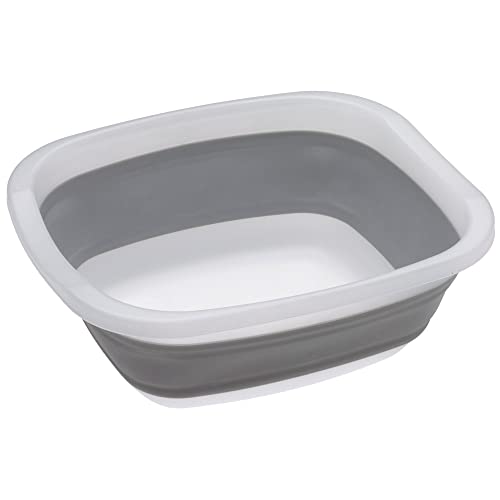
Space is often the biggest constraint for fiber artists, and a collapsible soaking tub provides a clever solution. When not in use, it folds flat, allowing it to be tucked behind a workbench or stored in a closet.
These tubs are surprisingly sturdy when expanded, often utilizing high-grade silicone or reinforced plastics. They are excellent for hand-dyeing smaller batches of yarn or lighter weight fabric pieces that require careful, gentle handling.
While not suitable for massive, high-volume production, they are excellent for precise, controlled dyeing. They allow for easy agitation of fiber, which helps prevent the accidental felting that can happen with delicate animal fibers when they are crowded too closely.
How to Choose the Right Vat For Your Dye Work
When selecting a vat, consider the total weight of the fiber and the volume of water required. A good rule of thumb is that the fabric should move freely within the bath; if the vat is too small, the fabric will be compressed, leading to uneven, patchy results.
Think about the physical space required for rinsing. Larger vats are easier for the actual dyeing process, but they can be difficult to move and empty once filled with heavy, wet fabric.
- Capacity: Ensure the vat holds at least 3-4 times the weight of the dry fabric in water.
- Material: Choose non-reactive materials to prevent chemical interference with the dye.
- Drainage: Consider how the vat will be emptied, especially if it lacks a built-in spigot.
Key Differences: Plastic vs. Stainless Steel
Plastic vats are the industry standard for most independent dyers due to their lightweight nature and chemical resistance. However, they can eventually absorb residual pigment, which might interfere with lighter colors later.
Stainless steel vats offer the benefit of being completely non-porous and easy to sanitize. They also allow for heat application directly to the vat if using a heat source, which is impossible with plastic.
The trade-off is weight and cost. Stainless steel is heavy, difficult to move once full, and represents a significant investment. Only choose stainless steel if the goal is high-volume production with frequent color changes.
Safety Tips for Setting Up Your Dye Station
Safety in the dye studio is non-negotiable. Always prioritize ventilation, even when using non-toxic dyes, to avoid inhaling particulate matter or steam.
Establish a dedicated zone for dyeing to prevent chemical cross-contamination. If a vat is used for reactive dyes, it must never be used for anything other than dye work thereafter.
- Personal Protective Equipment: Always wear gloves and eye protection.
- Ventilation: Use fans or open windows to ensure constant airflow.
- Grounding: Keep all electrical cords well away from the splash zone.
Maintaining and Cleaning Your Large Vat Tub
Regular maintenance extends the life of your equipment significantly. After every session, rinse the vat thoroughly with hot water to remove residual dye particles that could lead to staining or color bleeding in future projects.
For deeper cleaning, use a mild, neutral detergent and a soft sponge. Never use abrasive scouring pads, as they can create micro-scratches in the plastic that harbor bacteria or old dye pigments.
Always allow your vats to air dry completely before storing them. If the vat has a lid, leave it slightly cracked to prevent moisture buildup and mold, especially if you are working with natural dyes.
Investing in a dedicated vat is a transition from hobbyist experimentation to intentional, professional-quality fiber work. Choose the vessel that best fits the scale of your current projects while considering the space and safety constraints of your workspace. A well-maintained, properly sized vat serves as the foundation for vibrant, consistent, and beautiful hand-dyed fibers for years to come.