6 Best Iron Stations For Blocking Delicate Fibers
Discover the 6 best iron stations for blocking delicate fibers safely. Protect your knits and achieve professional results by shopping our expert-tested picks today.
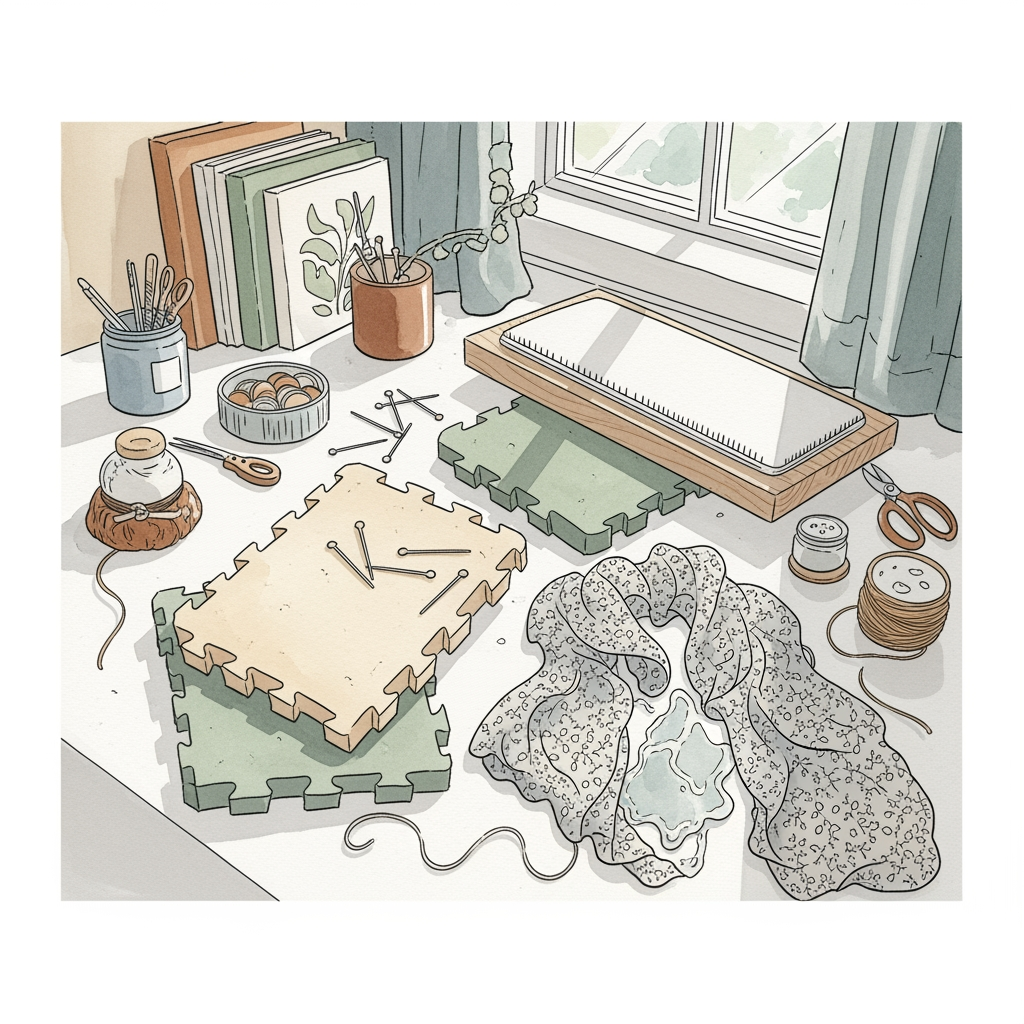
Blocking is the final act of creation that transforms a collection of stitches into a professional garment. Without the precise application of heat and moisture, even the most intricate lace patterns often remain puckered and uneven. Choosing the right steam station ensures that delicate fibers like mohair, lace-weight alpaca, or fine silk receive a uniform, gentle finish. Investing in the right tool prevents the common pitfall of fiber scorching or uneven tension distortion during the critical drying phase.
Rowenta Perfect Steam Pro: Best Overall Performer


This station stands out for those who maintain a high volume of finished objects. Its high-pressure output ensures that steam penetrates even dense, wool-heavy sweaters without the need for multiple passes.
For the serious knitter, consistency is the ultimate metric. This model delivers a powerful, continuous steam flow that remains steady regardless of how much water remains in the tank. It handles the structural requirements of heavy cables or rustic wools with as much ease as it treats delicate fingering-weight shawls.
The trade-off involves its larger footprint, which requires dedicated space in a craft room. However, for those who regularly block large-scale projects like blankets or oversized cardigans, this power provides an undeniable efficiency.
Laurastar Lift Plus: The Ultimate Luxury Steamer

This is the gold standard for crafters who treat every project as an heirloom-quality piece. The pulse-steam technology offers a level of precision that prevents the accidental oversaturation of fibers, which is a common risk with cheaper models.
It is particularly adept at handling sensitive, protein-based fibers like cashmere and silk. By providing a fine, dry steam, it relaxes the stitches and aligns the fiber structure without leaving the fabric damp or prone to stretching. This is essential when working with delicate, hand-dyed yarns that might be prone to bleeding if exposed to excess moisture.
While the price point is steep, it removes the guesswork from the blocking process. It is a tool designed for those who demand total control over their fiber manipulation.
Reliable Maven 140IS: Pro-Grade Blocking Power
Reliable brings professional garment-care standards into the home studio. This unit features a large water capacity, meaning there is no need to interrupt the rhythm of pinning out a large lace project to refill the reservoir.
The steam quality here is exceptionally dry, which is critical when blocking fibers with low heat tolerance. A dry steam relaxes the yarn without causing the halo of mohair to collapse or the stitch definition of superwash wool to lose its crispness.
It is a utilitarian, no-nonsense machine that favors function over sleek design. For those who prioritize longevity and raw performance, it is the most reliable workhorse in this lineup.
CHI SteamShot Station: Top Pick for Quick Set-Up
If you work in a space where setting up a full ironing station is impractical, this unit offers a compromise without sacrificing steam pressure. It is compact enough for apartment living yet powerful enough to block a scarf or a pair of socks in minutes.
The design focus is on rapid heating and easy storage. While it lacks the massive pressure of the industrial-grade stations, it is perfectly adequate for the occasional knitter who completes one or two small projects a month.
Do not expect this to handle a massive, soaking-wet heirloom afghan with total ease. It is, however, the perfect companion for quick, tactical steam-blocking sessions that require minimal prep time.
T-fal Liberty Steam Generator: Best Mid-Range Value
This generator strikes an ideal balance between cost and output for the intermediate maker. It offers enough steam volume to achieve professional results on a variety of fiber blends, from wool-nylon sock yarns to cotton-linen blends.
It features a durable ceramic soleplate that glides effortlessly over pinned fabrics without snagging on lace points or picot edges. This prevents the “drag” that can sometimes cause distortion in delicate stitch patterns during the blocking process.
It represents the smartest investment for those moving beyond basic ironing. It provides a significant step up in steam quality without the heavy investment required by luxury brands.
BLACK+DECKER Allure: Best on a Crafter’s Budget
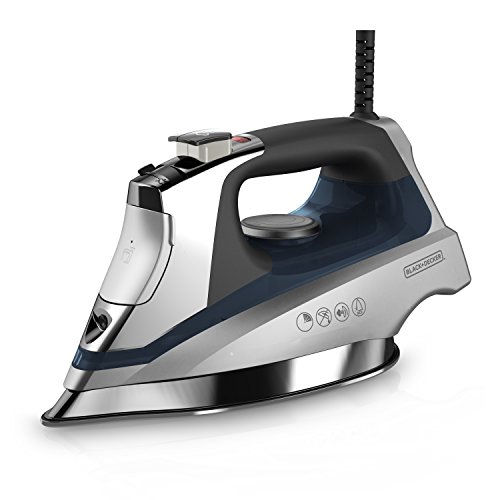
Budget-conscious knitters often worry that they cannot achieve professional blocking without an expensive station. This unit proves that consistent, effective steam blocking is possible on a modest investment.
It is lightweight and simple to operate, which is beneficial when you need to maneuver around a complex shawl shape. While the steam output is lower than higher-end models, it provides enough heat to “set” the stitches effectively if you follow the correct distance guidelines.
The trade-off is a smaller water tank and slightly less sustained steam power. However, by working in sections, you can achieve results that rival more expensive machines.
Steam Station vs. Iron: Why Make the Upgrade?
Standard irons are designed to press fabrics flat, often using high heat and direct contact to crush fibers. In knitting, this is usually detrimental; the goal is to relax the yarn, not to flatten the stitch profile.
Steam stations function by delivering a high volume of steam at a lower temperature. This allows the steam to penetrate the fibers to their core, making them pliable enough to be reshaped on blocking mats. By using a station, you avoid the risk of “iron shine” or the crushed, lifeless appearance that occurs when an iron is pressed directly onto fine wool.
Upgrading to a station fundamentally changes the finish of your work. It allows for the soft, lofty drape that characterizes professional-grade hand-knits.
Key Features for Blocking Your Delicate Knits
When selecting a station for fiber arts, focus on these specific technical characteristics:
- Vertical Steam Capacity: Essential for vertical blocking on hanging garments.
- Steam Pressure (Bar): Higher bar ratings indicate deeper fiber penetration.
- Adjustable Temperature Settings: Vital for switching between delicate silk and sturdier wool.
- Steam-Only Mode: Ensure the station can produce steam without relying on a heated plate that might mark fibers.
Always prioritize a unit that allows you to control the intensity of the steam. Fiber types have varying thermal tolerances; for example, synthetic blends may melt under high heat, while animal fibers may felt if exposed to too much moisture and mechanical action.
The Art of Steam Blocking Without Touching Fabric
The golden rule of blocking is that the steam, not the iron, does the work. Hold the station approximately one to two inches above the fabric surface, letting the steam envelop the stitches.
This technique is especially crucial for lace. By hovering the steam, you allow the lace to “bloom”—a term describing how the yarn relaxes and the stitch pattern opens up to show off its full detail. Never force the fabric; let the moisture and warmth do the labor of relaxing the fibers into their intended shape.
Always test your steam technique on a tension swatch before applying it to your final project. This ensures you understand how the specific yarn reacts to the moisture output of your chosen station.
Station Care: Using Distilled Water for Longevity
Mineral buildup is the primary cause of steam station failure, regardless of the brand. Using tap water introduces calcium and magnesium, which eventually clog the internal valves and the soleplate vents.
Always use distilled or deionized water to protect the internal components. This practice keeps the steam clean, preventing white mineral flakes from being deposited onto your hand-knit garments during the final blocking stage.
Make it a habit to empty the reservoir after every blocking session. Allowing water to sit stagnant in the tank encourages mold and bacterial growth, which can transfer odors to your delicate fiber projects.
Blocking is the bridge between a project that looks handmade and a project that looks artisanal. With the right steam station, you gain the ability to breathe life into every stitch, ensuring your hard work results in a lasting, beautiful garment. Whether you choose a high-end luxury unit or a reliable budget-friendly option, focus on the process of gentle steaming rather than direct contact. Your fibers will thank you for the extra care, rewarding you with better drape, sharper stitch definition, and an increased lifespan for every item you cast off.