6 Best Precision Pens For Marking Tape Lines To Try
Achieve crisp, accurate results with our guide to the 6 best precision pens for marking tape lines. Explore our top expert recommendations and shop your pick now.
Precision marking on project tape is an essential, often overlooked step in organizing complex colorwork or keeping track of gauge swatches during long-term projects. Choosing the right pen prevents ink from bleeding into delicate fibers or smearing when hands inevitably get clammy during a marathon knitting session. These tools offer the control needed to label project bags, stitch markers, and masking tape guides without risking damage to the yarn. Selecting the correct implement ensures that every crucial measurement remains legible from cast-on to binding off.
Sakura Pigma Micron: The Gold Standard for Fine Lines
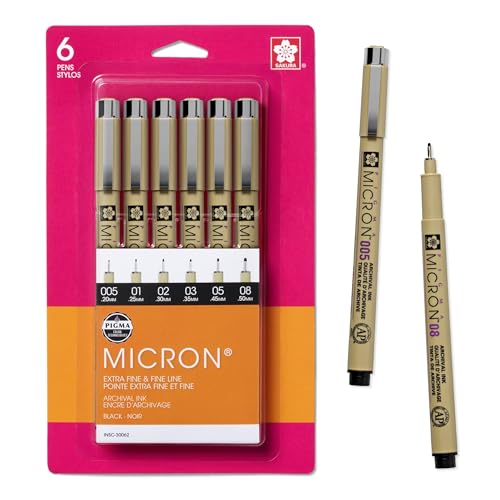

The Sakura Pigma Micron series is widely regarded as the gold standard for a reason. These pens utilize pigment-based ink that is chemically stable, waterproof, and fade-resistant, which is vital when labels need to survive being tossed in a project bag for months.
For knitters working with fine lace weight or fingering weight yarn, the ultra-fine nibs allow for precise notations on thin project tape. The ink flows consistently without requiring pressure, meaning the tape won’t tear or shift during the labeling process.
While these pens excel on paper-based tapes, they may struggle on extremely slick or non-porous surfaces. Stick to matte-finish masking or painter’s tape for the best results, as the ink needs a slight tooth to bond properly.
Sharpie Ultra Fine Point: Best Budget-Friendly Pick

Sharpie Ultra Fine Point pens are the workhorse of the crafting world. Their accessibility makes them a convenient choice for any knitter, whether at home or picking up supplies at a local shop during a retreat.
The ink is quick-drying, which is a significant advantage when labeling multiple swatches in rapid succession. Because the ink is solvent-based, it adheres well to a variety of surfaces, including plastic-coated tapes or even the occasional stray marker tab.
However, caution is advised when using these on porous surfaces near high-quality wool. The solvent can sometimes “creep” or feather, potentially leaving a messy mark that isn’t as crisp as pigment ink. Use these for quick, temporary labels rather than long-term archival storage.
Copic Multiliner SP: The Best Refillable Option

The Copic Multiliner SP is an investment piece for the dedicated maker who values sustainability. Unlike disposable alternatives, these pens feature a sturdy aluminum body and allow for both nib and ink cartridge replacements.
Knitters who document every project in a detailed journal will appreciate the consistent line quality that doesn’t vary as the pen wears down. The archival ink is compatible with most marking tapes and resists smudging, even if exposed to the humidity changes common in yarn storage areas.
The primary tradeoff is the initial price point and the maintenance required to keep the ink flowing. For those who label hundreds of skeins annually, this longevity pays for itself, but casual knitters may find the setup overkill.
Staedtler Pigment Liner: Ideal for Technical Work
Staedtler Pigment Liners are designed for drafting, which translates perfectly to the technical demands of knitting notation. Their lightfast, waterproof ink is ideal for projects that stay in the queue for a long time, as the writing remains sharp and bold.
The tip design is exceptionally robust, holding its shape even under the repetitive motion of labeling dozens of stitch markers or row counters. This consistency is essential when mapping out complex cables or intricate fair isle charts where every stitch count must be accurate.
These pens feature a “dry-safe” ink that prevents them from drying out if the cap is left off for a few hours. For the knitter who is constantly switching between needles, charts, and tape, this feature adds a valuable layer of convenience.
Uni-Ball Pin Fine Line: Most Durable Pen Tip
The Uni-Ball Pin Fine Line uses a steel-supported nib that is remarkably resistant to pressure damage. If the tendency is to press down hard while marking tape on a soft surface like a blocking mat, this pen won’t buckle or deform.
The pigment ink provides a clean, solid line that doesn’t skip, even when used on slightly textured masking tape. This is particularly helpful when labeling stash yarn by weight or dye lot, as the writing remains readable over time.
While excellent for durability, the ink can take a few seconds longer to dry compared to solvent-based pens. Give the tape a moment to set before handling it to avoid accidentally dragging a thumb through the fresh mark.
Faber-Castell Pitt Pen: Best for Archival Quality
Faber-Castell Pitt pens utilize high-quality India ink, which is prized for its permanent, lightfast, and odorless properties. For the knitter creating heirloom blankets or sweaters, this is the gold standard for ensuring project notes last as long as the garment itself.
The ink is completely waterproof once dry, meaning these labels will remain intact even if the project is blocked or accidentally exposed to moisture. The range of nib sizes allows for versatility, from marking tiny tape flags to writing more descriptive notes on project tags.
These pens are designed for professional artists, so the flow is exceptionally smooth. Just ensure the tape surface is clean and free of fiber dust or lanolin, as these pens prefer a clean substrate to perform at their best.
How to Choose the Right Pen for Your Project Tape
Choosing the right tool depends entirely on the material of the tape and the duration of the project. Paper-based masking tapes take pigment inks beautifully, while plastic or vinyl tapes require alcohol-based or permanent markers to prevent smudging.
Consider how the labels will be handled. If the tape will be repeatedly rubbed against wool or handled during knitting, prioritize a waterproof, rub-resistant ink. If the goal is simply to keep track of a short-term swatch test, a budget-friendly marker will suffice.
Always perform a “dry-test” on a scrap piece of tape before labeling the actual project components. This confirms that the ink won’t feather or transfer, protecting the hard work put into the project.
Getting a Clean Line: Tips to Avoid Smudging
Smudging is the enemy of organized knitting. The most effective way to avoid it is to write on the tape before applying it to the yarn or needle case.
Allow at least thirty seconds for the ink to set before sticking the tape down. If the environment is particularly humid or cold, extending this drying time will ensure the chemical components of the ink have properly bonded to the surface.
If mistakes happen, use a small amount of isopropyl alcohol on a cotton swab to clean surfaces before re-labeling. Avoid using permanent markers directly on yarn, as the ink can leach into the fibers and become a permanent eyesore.
Pigment vs. Dye Ink: What’s Best for Your Task?
Pigment inks sit on top of the surface, creating a crisp, bold line that is resistant to light and water. These are the preferred choice for permanent, long-term labeling where legibility over years is the main priority.
Dye-based inks, like those found in many standard markers, soak into the material. While they offer vibrant color, they are generally less permanent and can fade when exposed to sunlight or moisture over time.
For the vast majority of knitting applications, pigment-based pens are the superior choice. They provide the professional finish that keeps charts, needles, and yarn supplies perfectly organized for the duration of any project.
Key Features to Look for in a Precision Pen
When shopping for precision pens, prioritize the nib size and the ink type above all else. A 0.3mm or 0.5mm nib is usually the “sweet spot” for writing on project tape without making the letters illegible.
Look for pens labeled “archival” or “waterproof” to ensure that notes won’t fade or run. The body of the pen should also feel comfortable; if it causes hand fatigue during a long day of organizing, the pen will likely end up at the bottom of the drawer.
Finally, keep a dedicated pen cup for these tools to prevent them from getting lost among scissors and crochet hooks. A well-maintained pen is a reliable partner in every stage of the creative process, from the first swatch to the final weaving in of ends.
Investing in a high-quality precision pen transforms the way project organization feels, moving it from a chore to a streamlined part of the craft. By matching the right tool to the specific needs of the fiber and tape, the focus remains where it belongs: on the rhythm of the needles and the beauty of the final piece.