
6 Best Book Weights For Flat Open Sewing To Use
Keep your pages flat with these 6 best book weights for flat open sewing. Find the perfect tool for your craft and improve your bookbinding precision today.
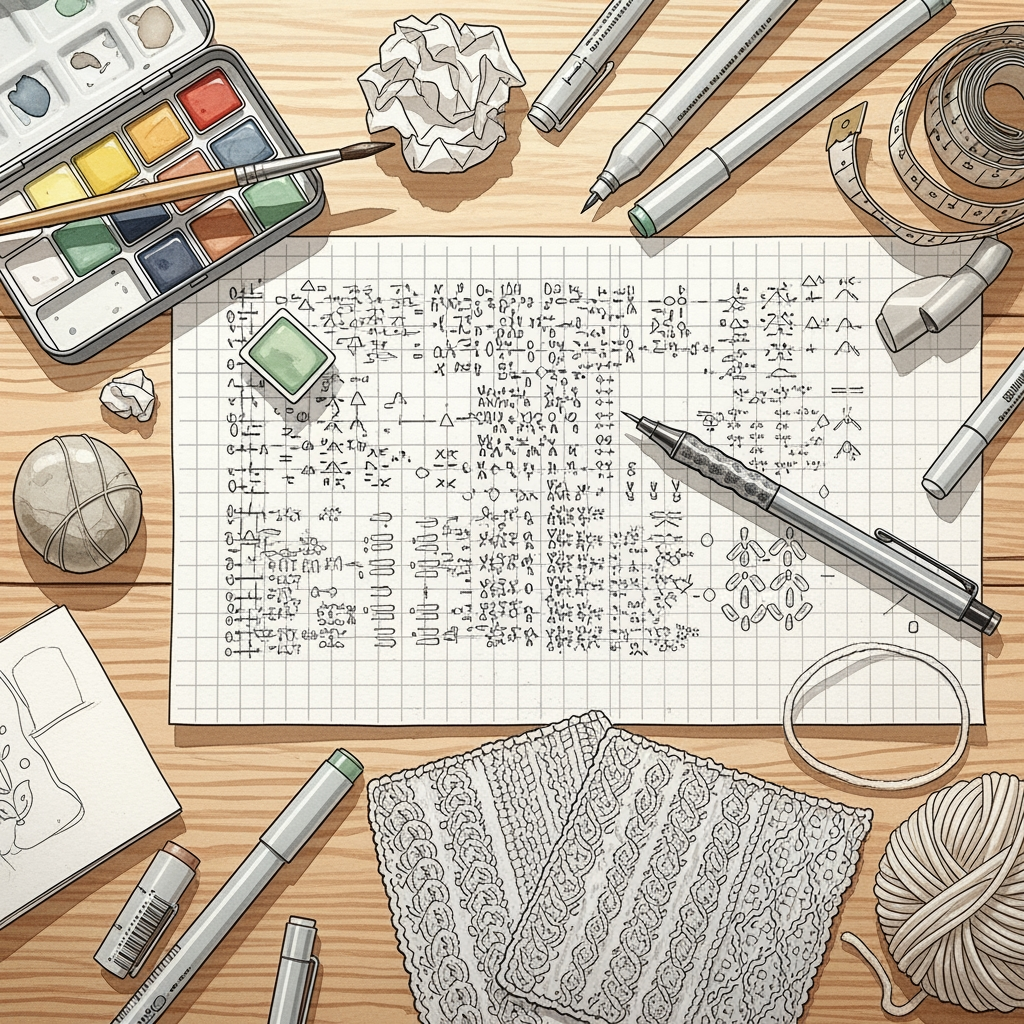
Keeping a knitting pattern flat while working through a complex lace chart or a dense cable repeat is essential for maintaining consistent tension. Without a weighted anchor, pages often curl or snap shut, forcing the knitter to pause and lose their place in the instructions. Investing in quality book weights transforms a cluttered workspace into a professional studio. These tools ensure that every stitch is accounted for, preventing the frustration of misreading a pattern row.
The Leather Book Snake: Best for Large Books


The leather book snake is the gold standard for heavy, hardbound knitting pattern books. Its long, flexible, and weighted body exerts even pressure across the entire width of an open page, preventing the book from fighting back.

For large-format stitch dictionaries or thick pattern collections, a snake is superior to traditional corner weights. It lies flat across the gutter of the book, keeping the pages open without damaging the binding.
While effective, these snakes can be cumbersome on small side tables. Ensure the workspace has enough clearance to accommodate the length of the weight without crowding the knitting needles.
Clover Dome Paperweight: Best for Portability
The Clover dome weight features a rounded, compact design that is ideal for knitters who work on the go. Its sleek shape allows it to slide easily into a notions bag or project tote without snagging on delicate yarn or circular cords.
Because of its small footprint, this weight is perfect for focusing on specific lines within a pattern. If a particular stitch repeat requires constant reference, the dome holds that specific area down firmly without obstructing the rest of the page.
The trade-off is its lighter mass compared to specialty sewing weights. It is best suited for keeping single sheets or light magazines open rather than heavy, multi-chapter knitting books.
Dritz Pattern Weight Set: Most Versatile Option

Dritz pattern weights are designed with a low profile and a broad base, making them highly effective for holding down flat pattern pieces or printed templates. They provide just enough gravity to prevent papers from shifting when tracing or measuring gauge swatches.
These weights are exceptionally useful when working with slippery materials like silk or bamboo yarns, where pattern documentation might slide across a smooth table surface. Their utilitarian design keeps the focus entirely on the knitting task at hand.
While they are highly functional, they lack the aesthetic charm of artisan-made weights. They are, however, the most cost-effective solution for a knitter who wants a reliable, no-nonsense tool that stays exactly where it is placed.
The Gingher Pattern Weight: For Sewing Patterns

Gingher weights are weighted discs that offer a solid, steady hold for those who combine garment sewing with their knitting projects. Their weight-to-size ratio is excellent, providing significant stability for larger paper pattern layouts.
In a dual-craft studio, these weights provide a sense of heft that light plastic alternatives cannot match. They are sturdy enough to act as a secondary anchor if a pattern paper tends to roll or curl due to humidity.
Be mindful that these weights are often finished with metallic coatings that can potentially scuff if dropped on hardwood floors. Use them on a dedicated craft mat to maintain their finish and ensure a long lifespan.
Cohana Brass Spool Weight: The Heirloom Choice
The Cohana brass spool weight is a masterpiece of utility and design. Its weight is concentrated in a small, dense package, making it incredibly effective for pinning down a single edge of a pattern chart.
For the knitter who values beauty alongside function, this piece serves as both a tool and a desk accessory. It is a substantial, high-quality object that will last through decades of lace knitting and complex colorwork projects.
While they represent a higher initial investment, their durability makes them an economical choice over time. They are best reserved for knitters who want to curate a workspace that brings as much joy as the craft itself.
Bryson Bends Flexible Weight: For Awkward Spines
Bryson Bends offer a unique solution for books that refuse to lay flat, such as spiral-bound notebooks or tightly glued paperbacks. These weights can be bent or shaped to fit the specific curve of an awkwardly opening spine.
Their versatility is unmatched when working with photocopied charts or loose-leaf pattern instructions. By conforming to the shape of the paper rather than just the table, they eliminate the need to reposition weights constantly.
They are essentially a soft, malleable heavy cord that bridges the gap between a rigid weight and a clamp. This flexibility is a game-changer for knitters who frequently use binders or folders to organize their work.
How to Choose the Right Book or Pattern Weight
When selecting a weight, consider the physical size of your pattern library. A heavy leather snake is essential for a large reference tome, whereas a small dome is sufficient for a single page of notes.
Evaluate your work environment. If the knitting table is prone to vibration or is made of a slick surface, choose a weight with a felt or silicone base to increase grip and prevent scratching.
Remember that heavier is generally better for keeping stubborn pages flat. Always prioritize a material that is dense, such as cast iron or solid brass, over hollow or plastic-filled alternatives.
Pattern Weights vs. Book Weights: What’s the Diff?
Book weights are designed to span the breadth of a page and exert pressure across a fold or gutter. They are usually longer, narrower, and specifically shaped to avoid obscuring printed text.
Pattern weights are typically disc-shaped and intended to hold paper flat against a table for cutting or tracing. They are wider to create a larger contact patch with the paper or fabric.
A knitter can often use these tools interchangeably, but a book weight will struggle to keep a large pattern sheet from lifting at the corners. Conversely, a single heavy disc may fail to keep a thick book from snapping shut.
DIY Pattern Weight Ideas You Already Own at Home
If specialty weights are not currently in the budget, look around the home for items with concentrated mass. Large, smooth river stones or heavy ceramic coasters work exceptionally well as improvised pattern weights.
Large washers or hex nuts found in a garage can be bundled together with twine to create a rustic, functional weight. Even a small decorative statue with a flat, stable base can serve the purpose perfectly.
The main requirement is that the object must have a non-abrasive base. If using hard, potentially damaging items, glue a piece of scrap felt to the bottom to protect your pattern paper and table finish.
Caring For Weights to Prevent Fabric Stains
Weights are often handled with the same hands that manipulate yarn, making them prone to collecting dust and skin oils. Periodically wipe them down with a microfiber cloth to ensure they do not transfer grime onto your hand-knit projects.
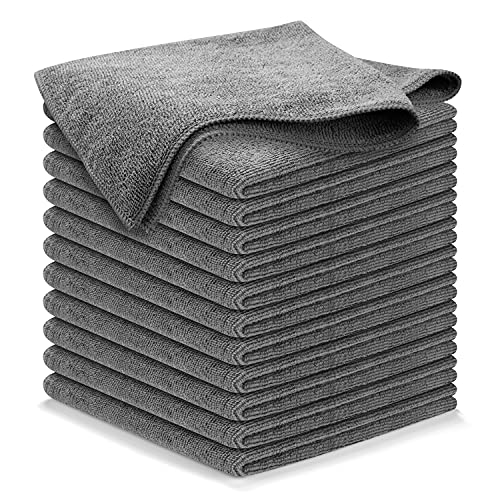
If a weight has a fabric cover, treat it as a textile item that can pick up oils. Avoid leaving weights sitting directly on top of open knitting for long periods, as heavy pressure can compress delicate fibers and leave an impression.
Store weights in a clean, dry container to prevent oxidation, especially for brass or iron items. A little regular maintenance ensures these tools remain a permanent part of the knitting kit for years to come.
Selecting the right weight is a subtle upgrade that makes a significant impact on the daily knitting experience. By eliminating the constant battle with curling pages, these tools allow for greater focus on the stitches themselves, leading to more enjoyable and error-free work. Choose based on the specific size of the patterns used most often, and watch the efficiency of the workflow improve immediately.

