6 Bead Scoops For Quick Cleanup To Keep Tidy
Stop wasting time on messy workspace cleanups. Explore our top 6 bead scoops to organize your supplies and keep your crafting area tidy. Shop the best tools now!
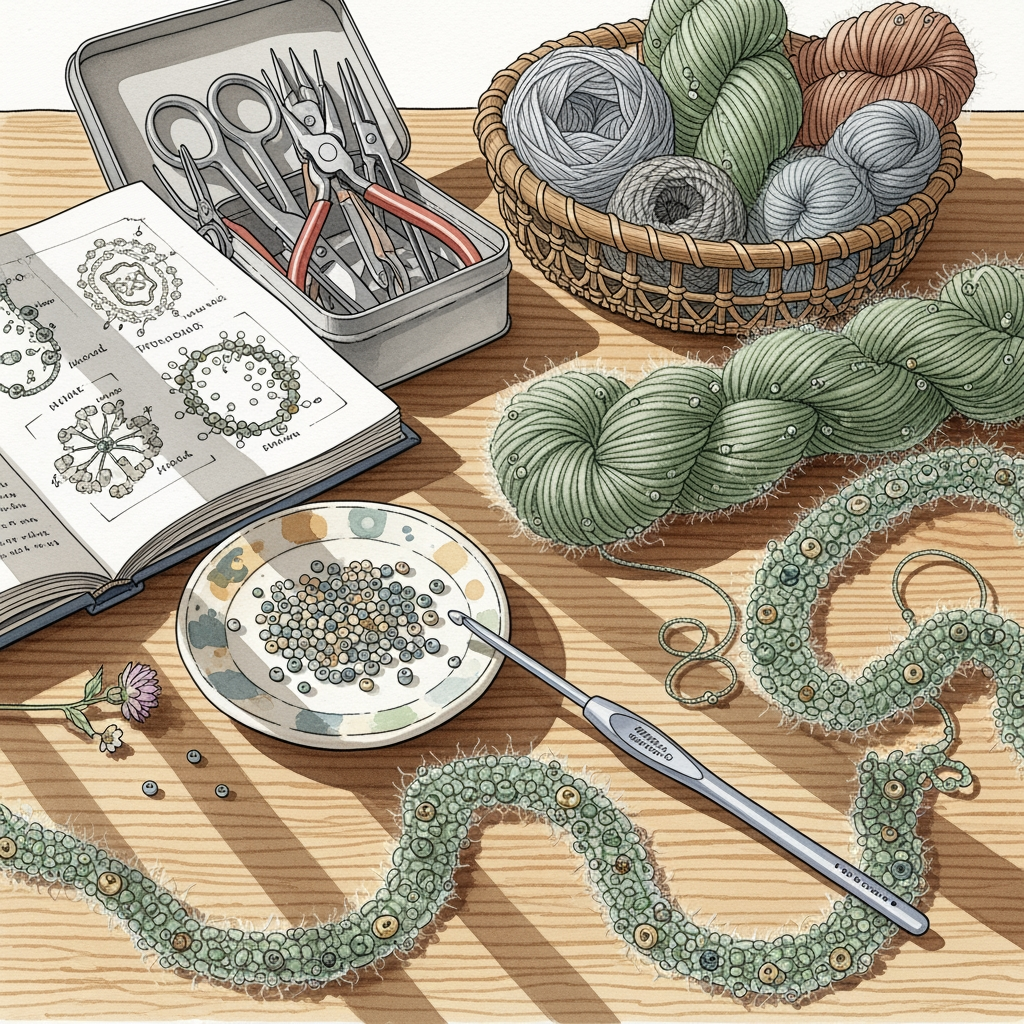
Beaded knitting adds a sophisticated touch of texture and weight to projects, transforming a standard lace shawl into a shimmering heirloom piece. However, the chaos of runaway seed beads on a worktable can quickly sour the joy of intricate craft. Effective organization is not just about aesthetics; it is about preserving your sanity during long sessions of bead-knitting. Proper tools ensure that precious time is spent on the pattern rather than chasing glass beads across the floor.
Beadsmith Metal Bead Shovel: A Classic Workhorse


The Beadsmith Metal Bead Shovel is the industry standard for a reason. Its rigid construction allows it to slide effortlessly beneath a pile of beads without bending or buckling under the weight.
This tool is perfect for the knitter who frequently works with heavy gemstone or metal beads. Its flat edge picks up every last bead from a flat table surface, preventing the frustrating “one-left-behind” scenario.
While some might prefer plastic for lightness, the metal build offers a grounded, reliable feel. It is an investment in durability that will likely outlast many knitting projects.
The Bead Buddy Scoop’n’Spout: Best for Funneling
When working with fine glass seed beads for delicate sock cuffs, precision is everything. The Scoop’n’Spout design focuses on controlled transfer, minimizing the risk of a spilled mountain of beads.
The integrated funnel spout is the standout feature here, as it fits perfectly into the narrow opening of most bead tubes. This eliminates the precarious balancing act of trying to pour beads back into tiny containers by hand.
If the goal is to keep the workspace clean during long-term storage, this tool excels. It bridges the gap between collection and organization with minimal effort.
Darice Bead Scoop & Funnel: Top Budget-Friendly Pick
Efficiency in the craft room does not always require high-end specialized equipment. The Darice scoop serves the basic function of moving beads from point A to point B without any unnecessary bells or whistles.
For the knitter who only occasionally incorporates beads into garments, this is the most logical entry point. It is lightweight, compact, and performs reliably during cleanup.
Budget-friendly tools often sacrifice material density, so expect a more flexible plastic. Keep this in mind when dealing with heavier beads, as they might cause the scoop to flex slightly under load.
Beadalon Triangle Trays: Sort and Store with Ease
Triangle trays are unique because they function as both a scoop and a temporary workspace. Their shape naturally guides beads toward the center, making it easier to pick them up with a crochet hook or beading needle.
These trays are indispensable when working with complex colorwork charts that require multiple bead colors. Having a dedicated tray for each color prevents cross-contamination and simplifies the sorting process.
The material is typically lightweight plastic, which is easy to handle but can be prone to static electricity. A quick wipe with a dryer sheet can help reduce static, ensuring your tiny beads don’t jump out of the tray unexpectedly.
Eurotool Stainless Steel Scoop: The Durability Champ
Stainless steel offers a distinct advantage in the workshop: it is non-reactive and incredibly resilient. This scoop will not rust or warp, even if kept in a damp knitting bag or high-humidity environment.
For the serious artisan working with hundreds of beads over several months, this tool is the gold standard. It provides the weight and balance needed to maneuver around delicate needles and yarn.
Its polished surface is also incredibly smooth, ensuring that no stray fibers from your yarn snag on the tool. This is a critical feature when working with fragile, delicate fibers like lace-weight silk or mohair.
The Beadsmith Tacky Bead Mat: Prevents Spills First

Sometimes the best scoop is the one you do not need because the beads stay put in the first place. Tacky mats provide a specialized surface that grips beads firmly, preventing them from scattering if the mat is nudged.
This is a lifesaver when working with tiny 15/0 beads that are prone to bouncing. Even if a needle accidentally brushes against the pile, the beads remain exactly where they were placed.
However, these mats do require regular cleaning to maintain their grip. A quick rinse with water restores the tackiness, making them a long-term asset to any beading setup.
Metal vs. Plastic Scoops: Which One Is for You?
Choosing between metal and plastic comes down to the frequency of use and the weight of your materials. Metal is superior for heavy-duty, long-term studio use, while plastic is often more portable for travel knitting.
- Metal: Offers rigidity, durability, and a professional weight. Recommended for heavy beads.
- Plastic: Lightweight, often cheaper, and sometimes features built-in funnels. Best for those who pack their knitting projects into travel bags.
If you find yourself frequently dropping tools, metal is less likely to crack or chip. Conversely, if you prefer a feather-light kit, plastic will integrate more easily into your existing notions pouch.
How to Scoop and Store Beads Without Losing Any
The secret to lossless bead management is moving slowly and using a dedicated “landing zone.” Always place your bead container on a stable, non-slip surface before attempting a transfer.
When using a funnel, ensure the tube opening is slightly larger than the spout of your scoop. A common mistake is trying to pour too quickly, which results in a localized spill.
After filling, cap the container immediately before moving it back into your project bag. Even a secure lid can pop open if rattled; keeping bead containers in a small, sealed zip-top bag provides a final layer of insurance.
Key Features to Look For in Your Next Bead Scoop
When comparing models, prioritize the “lip” of the scoop. A sharp, thin edge is non-negotiable for picking up beads from a flat table.
Consider the spout geometry as well. A pointed tip is vastly superior to a rounded edge for directing flow into small-diameter storage vials.
Lastly, check for static-reducing coatings or materials. Glass beads can become surprisingly flighty due to static, and a tool that actively minimizes this is worth the extra cost.
Tips for Keeping Your Beading Station Tidy and Safe
A cluttered workspace leads to lost beads and potential project errors. Designate a specific “bead tray” area that stays clear of coffee mugs, yarn balls, and other potential accident-inducing items.
Always keep a small magnet handy, provided your beads are metal, to retrieve any that inevitably bounce off the table. For glass beads, a small battery-operated handheld vacuum can save hours of searching through floor fibers.
Finally, treat your beading tools with the same care as your favorite knitting needles. Keeping them clean and stored together prevents the frustration of searching for a scoop when the mood to bead strikes.
Mastering the mechanics of bead management transforms the technical challenge of beaded knitting into a seamless, pleasurable experience. With the right tools and a structured approach to your workspace, the risk of spilled beads will no longer overshadow the beauty of your finished work.