6 Best Pencil Tins For Desktop Display To Organize
Organize your workspace in style with our top 6 picks for pencil tins. Discover the best options for a tidy desktop display and upgrade your office setup today.
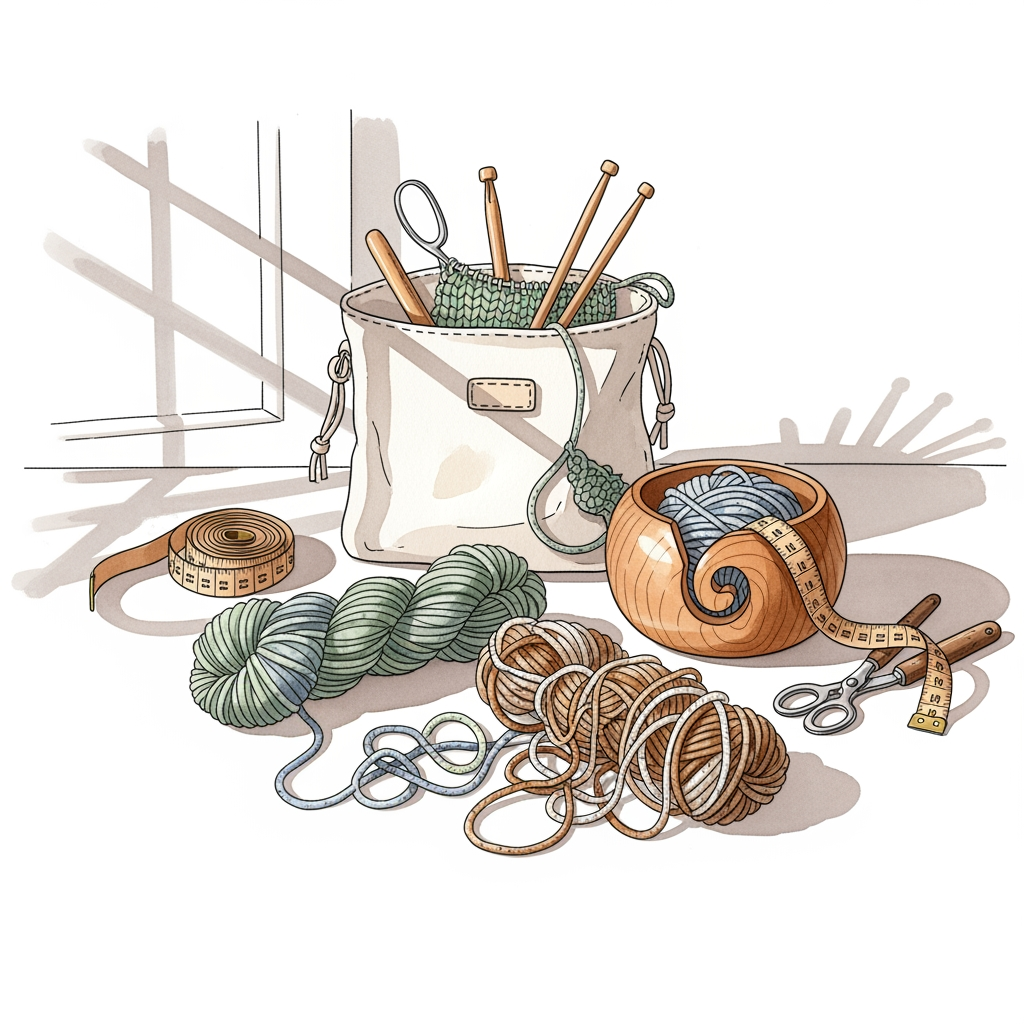
A tangled collection of stitch markers, cable needles, and tapestry needles is the quickest way to derail a knitting session. Desktop organization isn’t just about aesthetics; it is about keeping essential tools within arm’s reach so the flow of a project remains uninterrupted. Selecting the right vessel for these small accessories can transform a cluttered workspace into an efficient studio. These six pencil tins offer varying levels of durability, visibility, and style to suit any crafter’s desk.
MUJI Polypropylene Pen Case: Best for Minimalism


The MUJI Polypropylene Pen Case offers a clear, no-nonsense approach to storage. Its semi-transparent material allows for an immediate inventory check, ensuring the right size circular needle or snag-free stitch marker is visible before the case is even opened.
This design favors the knitter who prefers a clean, uncluttered workspace. Because it is made of sturdy polypropylene, it withstands the occasional accidental drop from a craft table without denting or cracking.
Its slim profile is ideal for stacking if multiple cases are used to separate different tools. Keep one case for tapestry needles and another for point protectors to maintain a highly organized system.
Kikkerland Retro Tin Pencil Case: Best Vintage Vibe

The Kikkerland Retro Tin Pencil Case brings a nostalgic, mid-century aesthetic to the craft room. Beyond its visual appeal, the metal construction provides a solid, heavy-duty home for heavier notions like metal stitch holders or heavy-duty crochet hooks.
Metal containers are significantly more durable than plastic when subjected to the weight of bulkier metal tools. This tin acts as a sturdy anchor on the desk, staying put while needles and notions are retrieved.
Note that the friction-fit lid can sometimes be tight, which is a double-edged sword. While it keeps contents secure, it requires two hands to open, which may prove frustrating when mid-row on an intricate lace pattern.
Delfonics Two-Sided Pen Case: Best for Sorting
The Delfonics Two-Sided Pen Case features a unique folding mechanism that creates two distinct storage areas. This is a game-changer for knitters who need to keep sharp, pointed tools like cable needles separate from fragile stitch markers or wooden needle gauges.
By categorizing tools by size or material, the risk of snagging delicate silk or mohair yarn is significantly reduced. This organizational structure encourages better habits, as tools are less likely to be tossed into a single heap.
While it is made from fabric and synthetic materials rather than a rigid tin, its structured design keeps it upright on the desk. It is the perfect choice for those who value compartmentalization above all else.
Lihit Lab Smart Fit Pencil Case: Most Versatile
Lihit Lab has designed a case that functions like a vertical desk organizer. When opened, it stands upright, putting every tool at eye level and within easy reaching distance.
This vertical orientation is particularly useful for longer items like double-pointed needles (DPNs) that might otherwise slide off a cramped desk. The interior elastic loops prevent tools from clattering together, which is crucial for protecting the coating on high-quality aluminum or wooden needles.
For the knitter who works in tight spaces, this vertical footprint maximizes efficiency. It ensures that needle gauges, scissors, and cable needles are organized in a way that respects their individual material needs.
Midori Mesh Graphics Case: Best See-Through Tin
The Midori Mesh Graphics Case utilizes a unique textile-reinforced mesh that offers the durability of a pouch with the visibility of clear plastic. It allows for airflow, which is an overlooked but vital feature for storing bamboo or wooden needles.
Natural fibers and woods benefit from breathability, preventing moisture buildup in humid environments. The mesh allows the crafter to see exactly what is inside without needing to open every container on the desk.
This is an excellent middle-ground option for those who find metal tins too heavy and rigid plastic too prone to cracking. It offers a lightweight, flexible solution for notions that need to be categorized quickly.
Kaweco Classic Sport Tin Case: Best Pocket-Sized
The Kaweco Classic Sport Tin is legendary for its compact, indestructible design. Originally intended for fountain pens, its small size is perfect for holding a curated selection of stitch markers, a tape measure, and a single pair of emergency tapestry needles.
Its pocket-sized nature makes it the ultimate transition piece from the desktop to the project bag. If a knitting group meets at a local cafe, this tin fits securely into a coat pocket, keeping precious notions safe.
Because it is metal, it will last for decades. Treat it as a permanent home for the high-end notions that are used across every project, regardless of the yarn base.
How to Choose a Tin for Your Knitting Notions
When selecting a storage vessel, consider the weight and material of the tools being stored. Heavy brass or steel tools can scratch the interior of plastic cases, while delicate wooden needles require protection from abrasive metal surfaces.
Assess the “retrieval speed” required for the project at hand. If working on a complicated colorwork project, you need instant access to stitch markers; a lid-less cup or a case that opens flat is preferable to a deep, dark tin.
Always account for the tools that are used most frequently. If a specific needle gauge is consulted for every project, that tool should have a dedicated, accessible spot in the primary desktop tin.
Metal vs. Plastic Cases: Which Is Right for You?
Metal cases offer superior protection against crushing, making them ideal for the bottom of a project bag or a cluttered drawer. They are, however, heavier and can be noisy when tools are tossed inside, which may distract from a quiet knitting session.
Plastic cases are lightweight and often transparent, which aids in quick visual identification of tools. They are prone to scratching and can become brittle over time, especially if exposed to direct sunlight or temperature fluctuations.
Consider the environment in which the knitting occurs. In a studio with pets or small children, a metal tin with a locking mechanism is much safer than a plastic case that could pop open if dropped.
Tips for Organizing DPNs and Hooks in Tins
To prevent DPNs from clattering or scratching each other, place a small piece of felt or silicone mat at the bottom of the tin. This simple addition cushions the ends of the needles and reduces noise.
Use small adhesive labels to mark the inside of the tin with the size of the needles contained within. This eliminates the need to use a separate needle gauge every time a specific size is required.
Group items by function rather than size alone. Keep all “finishing tools”—like darning needles and crochet hooks for picking up dropped stitches—in one container, while reserving another for “construction tools” like cable needles and stitch markers.
Will Your Notions Rust Inside a Metal Tin?
Rust is a concern when storing metal items in humid or temperature-variable environments. High-quality stainless steel notions are generally resistant, but nickel-plated or iron-based accessories can oxidize if trapped in a damp, enclosed metal tin.
To prevent rust, include a small silica gel packet inside the tin to absorb excess moisture. This is especially important for crafters living in coastal areas or those who keep their supplies in a basement studio.
Check the interior of the tin periodically for signs of debris or moisture. If the lid fits too tightly and doesn’t allow for airflow, consider leaving the tin slightly open when not in use to encourage air circulation.
Choosing the right storage for knitting notions is a practical investment in the longevity of your tools and the efficiency of your craft. By matching the durability of the container to the sensitivity of the tools, any knitter can create a workspace that supports their creative process rather than complicating it. Whether opting for the vintage charm of metal or the high-visibility utility of plastic, the goal remains the same: spend less time searching for tools and more time focused on the stitches at hand.