
7 Best Yarn Storage Labels For Inventory To Use
Organize your craft stash efficiently. We review the 7 best yarn storage labels to help you track inventory, manage dye lots, and streamline your next project.
We have all been there: staring at a bin of unlabeled yarn balls, wondering if that mystery skein is a 100% wool or a delicate silk blend. Proper inventory management is the secret bridge between a chaotic stash and a peaceful, productive knitting life. By choosing the right labeling system, you stop guessing and start creating with confidence. Let’s explore the best tools to keep your fiber collection organized and ready for your next cast-on.
Avery Easy Peel Labels for Yarn Stash Organization
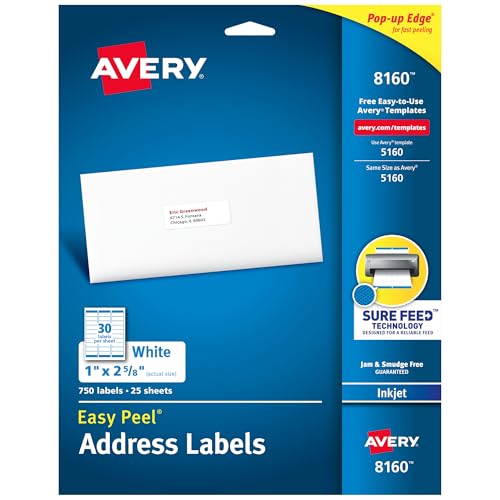

These labels are the gold standard for knitters who prefer a traditional, paper-based inventory system. They are incredibly easy to print in bulk, allowing you to catalog your entire stash in a single afternoon.
If you store your yarn in clear plastic bins, these labels adhere perfectly to the smooth surface. Because they are "easy peel," you won’t be left with a sticky, gummy residue when you eventually use up that skein and need to re-label the bin for a new purchase.
The trade-off here is that paper labels can tear or smudge if your stash room is humid or if you frequently shuffle your bins. For long-term storage, consider adding a strip of clear packing tape over the top to protect the ink from moisture and friction.
Brother P-Touch Label Maker for Durable Yarn Tags
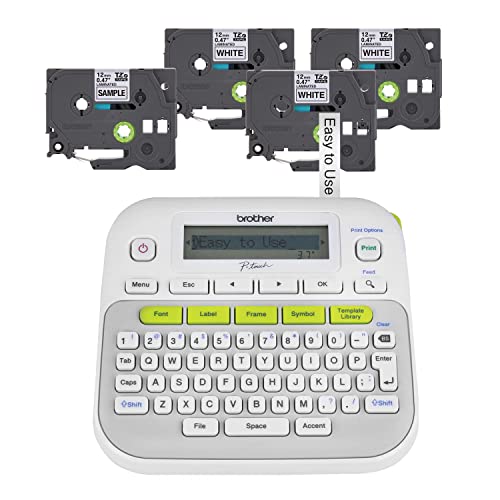
If you want your yarn shelves to look like a professional boutique, a thermal label maker is your best friend. The plastic-backed tape is virtually indestructible, resisting the oils from your hands and the occasional spill of tea.
I find these particularly useful for creating small, adhesive tags that can be wrapped directly around the yarn band or a small swatch. The crisp, printed text is much easier to read than my own messy handwriting when I’m digging through a deep storage drawer.
Keep in mind that these tapes can be expensive, so use them for high-value items like hand-dyed indie skeins or luxury cashmere blends. For bulk acrylics or basic workhorse wools, you might find the cost-per-label a bit prohibitive.
Dymo LetraTag Labels for Quick Yarn Inventory Logs

Dymo labels are fantastic for knitters who prefer a handheld, portable device. They are perfect for sitting on the couch with your stash and labeling skeins as you pull them from the shipping box.
The variety of tape materials—including iron-on and metallic options—is a fun bonus for the creative knitter. You can use the iron-on labels to mark project bags or even small fabric swatches if you are building a tactile library of your collection.
The main drawback is that the adhesive can sometimes dry out over several years in a cool basement. Always double-check that your labels are still firmly attached before moving your yarn to a new storage location.
Avery Color-Coded Dots for Fiber Content Sorting

Visual organization is often faster than reading text, especially when you are in the middle of a project. Using a simple system of colored dots allows you to identify fiber types at a glance without picking up every single ball.
- Red: Animal fibers (Wool, Alpaca, Cashmere)
- Blue: Plant fibers (Cotton, Linen, Bamboo)
- Green: Synthetics or blends (Acrylic, Nylon)
- Yellow: Specialty or novelty yarns
This system is particularly helpful if you have a large collection and need to quickly find a specific fiber for a project requiring a certain drape or elasticity. It prevents the common mistake of grabbing a cotton yarn when you actually need the memory and bounce of a wool.
Washi Tape Labels for Temporary Yarn Project Notes
Washi tape is the ultimate tool for the "knitter on the go" who is currently working on three different projects. It is low-tack, meaning it sticks well enough to hold information but peels off without damaging the delicate fibers of your yarn.
I use these to note the needle size I’m currently using for a specific project or the dye lot number of the yarn attached to my project bag. It’s the perfect temporary solution when you don’t want a permanent, sticky label on your yarn band.
Since washi tape comes in endless patterns, you can even use specific designs to denote different weights of yarn. It’s a low-cost, low-stakes way to keep your current WIPs (Works In Progress) organized without the commitment of a label maker.
Avery Removable Labels for Easy Yarn Ball Tracking

If you are a knitter who frequently rewinds yarn into cakes, you know how easily the original labels get lost. Avery’s removable line is specifically designed to stick and stay, but come off clean when you are ready to knit.
These are excellent for tracking yardage and dye lots on balls that have been stored for a long time. Because they are removable, you don’t have to worry about leaving adhesive residue on your yarn, which could attract dust or lint over time.
Be cautious when using these on very fuzzy fibers like mohair or angora. The adhesive can sometimes catch on the halo of the yarn, so stick these labels to the inner cardboard core of your yarn cake instead of the fiber itself.
Cricut Smart Label Vinyl for Custom Yarn Storage

For the high-tech knitter, a Cricut machine allows you to create custom, die-cut labels that fit your storage bins perfectly. This is the best option if you want to include detailed info like gauge, WPI (Wraps Per Inch), and washing instructions on every bin.
The vinyl is durable and provides a clean, professional aesthetic that is hard to beat. You can even cut icons for different needle sizes or fiber types, making your inventory system highly personalized and efficient.
The learning curve is steeper than a simple label maker, and the initial investment is higher. However, if you are serious about managing a large stash, the ability to print custom labels in bulk is a game-changer.
Why Proper Labeling Prevents Stash Management Chaos
Without labels, your stash quickly becomes a "mystery bin" where you lose track of fiber content and yardage. This leads to the frustrating scenario of starting a sweater only to realize you don’t have enough of the correct dye lot to finish the sleeves.
Proper labeling forces you to acknowledge exactly what you have, which often discourages impulse buying. When you can see that you already have ten skeins of worsted-weight wool, you are less likely to buy another one just because it’s on sale.
Ultimately, an organized stash is a creative asset rather than a source of stress. Knowing exactly what you have allows you to pair the right fiber with the right pattern, ensuring your knitting time is spent on the craft rather than searching for materials.
Essential Data to Include on Every Yarn Inventory Tag
To make your inventory truly useful, you need to capture more than just the brand name. When you are two years into a project, you will be grateful you wrote down the specific technical details.
- Brand and Colorway: Essential for finding matching dye lots later.
- Dye Lot Number: Critical for avoiding color shifts in large garments.
- Fiber Content: Vital for determining if the yarn will shrink or stretch.
- Weight/Yardage: Helps you calculate if you have enough for a specific project.
- Recommended Needle Size: A great starting point for your gauge swatch.
If you are particularly diligent, add the date of purchase. This helps you rotate your stash, ensuring that older yarns get used before they are potentially affected by environmental changes or pests.
Best Practices for Organizing Your Yarn by Fiber Type
Organizing by fiber type is generally superior to organizing by color because it respects the physical properties of the yarn. You wouldn’t want to store a heavy, greasy wool next to a delicate, moisture-wicking silk, as their storage needs differ.
Always ensure your yarn is clean and dry before storing it, regardless of the fiber type. If you are storing natural fibers like wool or alpaca, consider using cedar balls or lavender sachets to keep moths at bay, as these fibers are highly susceptible to damage.
For synthetic fibers, storage is much easier, but they can still trap odors. Keep your storage area well-ventilated and avoid airtight containers if you live in a humid climate, as this can encourage mold growth in even the most durable acrylics.
Organizing your stash is an act of respect for your materials and your future self. Whether you choose simple color-coded dots or a high-tech vinyl labeling system, the goal is to spend less time digging and more time knitting. Pick a method that fits your current stash size and start labeling today to reclaim your creative flow. Happy knitting, and may your yarn bins always be a source of inspiration.


