7 Best Modular Shelving Units For Classroom Storage
Organize your learning space with our 7 best modular shelving units for classroom storage. Find the perfect durable solution to declutter your room today.
Stashing yarn is an essential part of the fiber arts journey, yet even the most curated collection can quickly become a disorganized hazard if it lacks a proper home. Finding the right shelving is about more than just aesthetics; it is about protecting delicate fibers from crushing, sunlight, and dust while keeping your color palette visible. Whether managing a few skeins for seasonal projects or housing a massive collection of hand-dyed wool, the right structure changes how one approaches design and creation. These seven modular units offer the best balance of utility, durability, and accessibility for a dedicated knitting space.
IKEA KALLAX: The Gold Standard for Yarn Cubbies


The KALLAX is arguably the most ubiquitous storage solution in the knitting world, and for good reason. Its deep, perfectly square cubbies accommodate standard skeins, hanks, and even bulky yarn cakes with ease.
The open-face design allows for immediate visual access, which is crucial when trying to match yarn weights (often measured by WPI, or wraps per inch) or coordinating color transitions for stranded colorwork. Because the shelves are fixed, the weight capacity is surprisingly high, meaning they won’t sag under the dense weight of heavy wool or cotton blends.
While popular, be aware that the shelves are made of hollow-core particleboard. Avoid placing them on uneven floors without proper anchoring to prevent tipping, especially in homes with active pets or small children.
ClosetMaid Cubeicals: Best Budget-Friendly Pick
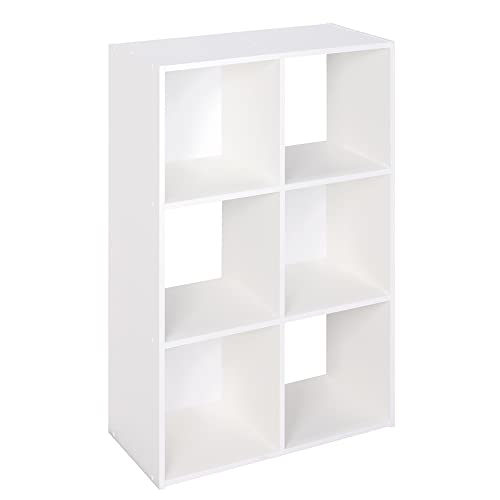
If a studio setup requires a quick, economical expansion, the Cubeicals line offers a highly accessible entry point. These units use a thinner profile than premium brands, which makes them lightweight and easy to reposition when project needs shift.
Because the side panels are thinner, these are best suited for lighter yarns like lace-weight mohair or fingering-weight sock yarns. Avoid stacking these too high or overloading them with heavy, unspun fiber or large cones of yarn, as the frame lacks the structural rigidity of more robust modular systems.
These units shine in temporary spaces or craft corners where footprint matters more than heirloom-quality longevity. They provide the necessary organization to keep expensive fibers off the floor and away from potential snagging hazards.
IRIS Wire Grid Panels: Ultimate Customization

Wire grid systems offer a unique advantage: high visibility and airflow. If your stash includes natural fibers like alpaca or high-quality wool, ensuring consistent airflow is critical to preventing moth infestations and moisture buildup.
These grids can be configured into narrow towers for tight corners or low, wide benches for under-window storage. Because they are modular by nature, one can add connectors to build custom cubby sizes that accommodate oversized spinning wheels or bulky project bags.
The downside is that they offer no protection from dust, which can settle on yarn over time. To mitigate this, consider using fabric bins or project bags for yarns that aren’t being rotated frequently for active projects.
The Container Store Elfa: A Lifetime Investment

The Elfa system is a professional-grade storage solution designed to be configured to the exact dimensions of any wall. It uses a wall-mounted track system, which provides unmatched stability and ensures the shelves will never shift or tip over.
The variety of shelf depths and drawer inserts makes this the best choice for storing small, easily lost items like interchangeable needle tips, cable connectors, and progress keepers. It is a significant financial investment, but the ability to rearrange components as your collection grows—from a single shelf to a floor-to-ceiling library—makes it a one-time purchase.
Use the ventilated shelves for long-term yarn storage to ensure fibers “breathe.” This system is ideal for the serious maker who has moved past casual crafting and is ready to build a permanent, ergonomic studio.
Wayfair Basics Cubes: Easiest Online Option
Wayfair’s cube storage lines provide a reliable middle ground for those who need a standard solution delivered directly to their door. These units often come in a wider range of finishes than store-brand equivalents, making it easier to match existing bedroom or office furniture.
The assembly process is usually straightforward, requiring only basic tools that are often included. These are excellent for organizing yarn by fiber type—separating superwash wools from delicate hand-dyed silks—to ensure each receives the appropriate care.
Be sure to verify the weight rating if planning to store heavy bulk items, such as cones of weaving yarn or multiple sweater quantities of worsted weight wool. If the shelves are deep, use inserts to prevent yarn from migrating to the back where it might be forgotten.
Sauder North Avenue: For a Polished Studio Look
For those who want their yarn collection to look like an intentional design feature rather than a backroom closet, the Sauder North Avenue collection offers a sleek, industrial aesthetic. The metal framing adds a sophisticated touch that elevates the look of a home studio.
The open design is perfect for displaying favorite skeins, but it offers no protection from sunlight. Always ensure these units are positioned away from direct, harsh window light, which can fade natural dyes and weaken delicate fibers over time.
This line is sturdy enough to handle substantial loads, making it a great place to store completed sweaters that need to be laid flat or blocked. Its polished appearance makes it a favorite for shared living spaces.
Honey-Can-Do Cart: Best Mobile Storage Solution
Sometimes the best storage is storage that moves with the maker. The Honey-Can-Do cart is essential for knitters who rotate between the living room, the craft room, and the porch.
These carts are perfect for “project-specific” storage, holding current WIPs (works in progress), pattern books, and the specific needles currently in use. The perforated metal shelves prevent small accessories from falling through while keeping the contents visible.
Having a mobile unit ensures that you aren’t constantly lugging heavy bags across the house. Keep your current WIP on the cart to ensure you always have your gauge swatch, measuring tape, and scissors within arm’s reach.
How to Choose Shelving for Your Craft Space
When selecting shelving, evaluate your specific collection first. Does your stash consist mostly of small, 50-gram skeins, or are you stockpiling 200-gram hanks for large-scale blankets?
- Depth: Ensure shelves are deep enough to hold a standard skein without it protruding, but not so deep that yarn becomes hidden in the back.
- Accessibility: Are you choosing units that allow for color-coding? A visual, rainbow-organized stash often leads to more creative color combinations.
- Expansion: Always factor in “stash growth” space; if the shelves are full upon purchase, the first shopping trip will leave you with nowhere to put your new acquisitions.
Smart Ways to Organize Yarn on Your New Shelves
Organization is the difference between a stash that serves you and a stash that overwhelms you. Consider grouping yarn by weight—fingering, sport, DK, worsted, and bulky—to make project planning instantaneous.
If you enjoy working with natural fibers, invest in cedar blocks or lavender sachets to place among the shelves. Avoid storing yarn in airtight plastic bins for long periods, as trapped moisture can lead to mildew, especially in basement or humid environments.
Label your shelves or cubbies by fiber content or project purpose, such as “Sock Yarn,” “Sweater Quantities,” or “Scrap/Leftover Yarn.” This makes finding the perfect pairing for a pattern an effortless process rather than a frantic search.
What to Consider: Weight, Safety, and Assembly
Never underestimate the cumulative weight of a large yarn collection. A shelf filled with wool, which is dense and heavy, can quickly exceed the load limits of cheaper particleboard furniture.
- Wall Anchoring: Always secure tall units to the wall. A tower of yarn is top-heavy and can pose a significant danger if bumped.
- Assembly Precision: Use a level during assembly to ensure the frame is square; an unlevel shelf will put uneven stress on fasteners and lead to premature failure.
- Fiber Protection: Keep the storage area dust-free and away from direct sunlight, which causes degradation in both synthetic and natural fibers.
Choosing the right shelving is a commitment to the longevity of your craft materials. By prioritizing structural integrity and thoughtful layout, you transform your stash from a cluttered pile into a curated resource. Whether you choose the reliable utility of a cubby system or the tailored precision of a wall-mounted unit, your future self will thank you every time you reach for that perfect skein for your next cast-on.