6 Best Hat Labels For Handmade Branding To Consider
Elevate your craft with the 6 best hat labels for handmade branding. Discover durable, stylish options to professionalize your work. Shop our top picks today.
A hat is never truly finished until it carries the mark of its maker. Branding transforms a simple handmade project into a professional accessory that holds its own alongside retail-store quality goods. Choosing the right tag requires balancing aesthetic appeal with the practical reality of how the fabric moves, stretches, and withstands daily wear. These six options represent the gold standard for adding that crucial final polish to knit and crochet headwear.
GrainDeep Faux Leather Tags: Best Overall Choice


Faux leather tags offer the luxurious, structured appearance of genuine hide without the moisture-retention issues associated with animal products. These tags provide a firm, professional edge to beanies and slouchy hats that otherwise might look too “crafty.”
Because they are synthetic, these tags resist fraying and retain their debossed logos even after repeated exposure to the elements. They stand up exceptionally well to the occasional dampness of a winter morning walk.
The primary benefit is versatility. They complement almost any fiber, from rustic, thick-spun wools to sleek, modern acrylic blends. When branding a hat intended for heavy outdoor use, these tags hold their shape better than softer materials.
All This Wood Cork Labels: Best Eco-Friendly Pick
Cork is naturally water-resistant, lightweight, and incredibly flexible, making it an ideal companion for hats that need to stretch. As a material, it feels organic and soft to the touch, ensuring the label never feels like a rigid, uncomfortable protrusion on the forehead or crown.
These labels are particularly suited for hats worked in plant-based fibers like cotton, linen, or bamboo. They reinforce the earthy, sustainable nature of natural yarns and provide a distinct, sophisticated texture that laser-engraving highlights beautifully.
While they are highly durable, avoid exposing cork to harsh detergents or high-heat drying cycles. If the hat is made from a non-superwash wool that requires gentle hand-washing, these tags will last the life of the garment.
The Beam City Metal Tags: Most Professional Look
Metal tags provide the crispest, most refined finish available for high-end knitwear. They excel on projects that utilize expensive, long-staple fibers like cashmere or merino, where the branding needs to match the luxury of the yarn.
The inherent weight of metal adds a subtle structure to the fold of a brim. However, be mindful of the added gravity; these work best on dense, tight-gauge knits that can support the weight without sagging.
Ensure the finish is rust-resistant or plated to prevent unsightly oxidation marks from bleeding onto light-colored yarn. They are an investment in the long-term presentation of the piece but require careful consideration regarding the wearer’s sensitivity to metal.
Dutch Label Shop Woven Labels: Best for Bulk Buys

Woven labels are the industry standard for a reason. They offer unparalleled softness and the ability to include intricate logos or specific color palettes that printing or stamping simply cannot achieve.
For those producing hats in larger quantities, these are the most cost-effective way to achieve a custom look. Because they are fabric-based, they move perfectly with the stitch pattern, becoming virtually seamless once attached to the interior or the exterior brim.
The tradeoff is that they require a bit more effort to attach securely. They are best suited for makers who prefer a subtle, “designer” appearance over the bolder, tactile statement of a leather or wood tag.
Savvy Stitches Wooden Tags: Best for Rustic Charm

Wood tags add an immediate sense of warmth and heritage to a hand-knit hat. They are the perfect choice for chunky, cable-knit beanies or hats made from thick, rustic sheep’s wool.
The laser-engraving process creates a high-contrast look that is easy to read from a distance. Because wood is rigid, it is best placed on the cuff of a hat where it will not interfere with the natural elasticity of the crown.
Note that thin wooden tags can be brittle if snagged on zippers or heavy winter coats. Opt for thicker, sealed wood varieties to ensure the design remains crisp and the edges stay smooth against the yarn.
EverEmblem Cotton Labels: Best for Baby Knits
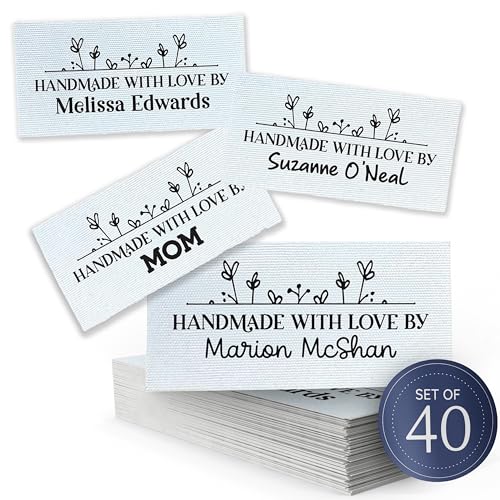
Baby skin is exceptionally sensitive, making soft cotton labels the safest choice for infant headwear. Unlike leather or metal, cotton is breathable, non-irritating, and creates no sharp edges that could scratch delicate cheeks.
These labels provide a gentle, understated aesthetic that complements the soft colors often used in nursery projects. They are fully machine washable, which is a non-negotiable requirement for anything that will see constant use and inevitable spills.
Since cotton labels are lightweight, they won’t weigh down fine-gauge knitting or cause the brim of a baby hat to flip up prematurely. They offer a classic, heirloom feel that signals quality without overwhelming the small scale of the item.
How to Choose the Right Label for Your Knit Brand
The best label serves the project, not the other way around. Consider the gauge of your knitting; a heavy leather tag on a delicate, laceweight baby hat will distort the stitch pattern and pull at the fabric.
Think about the washing instructions for your yarn. If you are using a superwash wool meant for daily machine-wash wear, ensure the label material can withstand the agitator and high heat without fading or losing its structural integrity.
Finally, consider the brand identity. If the work is rustic and hand-spun, a shiny metal tag might clash, while a cork or wooden tag will harmonize perfectly. The label should feel like an integrated design element, not an afterthought glued on at the end.
Attaching Your Labels: A Guide to Rivets vs. Sewing
Attaching tags with rivets creates a professional, industrial look that is very secure. However, rivets require a tool for installation and can be difficult to remove if you make a mistake, potentially leaving a hole in the finished fabric.
Sewing tags on by hand allows for greater precision and flexibility. Use a matching or complementary thread to ensure the stitching becomes part of the design rather than a distraction.
If using a rivet, always reinforce the back of the knitting with a small scrap of interfacing or a piece of felt. This prevents the metal post from pulling through the stitches over time, especially in high-stretch areas.
Washing and Caring for Hats with Attached Labels
Always treat the labeled area as the most delicate part of the garment. If the tag is leather or wood, remove it before washing if possible, or at the very least, spot-clean around it to avoid water damage.
Woven and cotton labels can usually withstand the same cycles as the hat itself. When using metal tags, avoid tumble drying, as the heat can conduct through the metal and potentially damage the surrounding yarn fibers.
Regardless of the tag material, avoid harsh bleaching agents that can strip the finish off metal or discolor leather and wood. Lay the hat flat to dry, ensuring the tag is positioned so it isn’t pressing against a heat source.
Designing a Custom Label That Catches the Eye
A great label relies on simplicity. With limited space, prioritize a clean, legible logo or a brief brand name over cluttered text that will become unreadable when shrunk down to size.
High-contrast designs perform best in laser-engraving and weaving. Black on natural, or white on dark fabric, will always be more readable than low-contrast color combinations.
Test your design at the actual size of the finished tag before placing a large order. A design that looks clear on a computer screen may lose detail when rendered in thread or pressed into leather, so keep lines bold and fonts sans-serif for the best results.
Finding the perfect label is a hallmark of a maker who values their craft from start to finish. Whether you choose the rugged elegance of cork or the professional polish of metal, the right tag communicates the care and time invested in every stitch. By selecting materials that complement the weight, fiber, and purpose of your hats, you ensure that your work stands out in a crowded market. Take the time to match your branding to your unique aesthetic, and you will find that a well-placed tag is the ultimate mark of a master artisan.