7 Best Iron On Adhesives For Fabric Patches To Use
Struggling with loose patches? Discover the 7 best iron on adhesives for fabric patches to ensure a secure, long-lasting bond. Read our expert guide to shop now.
Applying a patch to a finished hand-knit garment or a sturdy tote bag requires more than just high heat and a prayer. Many adhesives promise a permanent hold, but the tension, drape, and fiber content of knitwear create unique challenges that standard sewing notions often fail to address. Choosing the wrong product can result in puckering, fabric damage, or a patch that peels away after the first wash. This guide evaluates the top iron-on adhesives specifically through the lens of longevity, fiber safety, and the structural needs of handmade textiles.
HeatnBond UltraHold: The Strongest No-Sew Bond
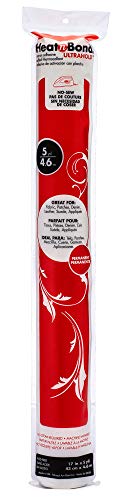

HeatnBond UltraHold is designed for heavy-duty applications where a permanent, no-sew finish is the priority. It creates a rigid bond that functions almost like a permanent glue, making it ideal for thick canvas patches on denim or heavy wool coats.
Because this adhesive creates a stiff, inflexible layer, it is best reserved for non-drapey areas. Avoid placing it on the main body of a lightweight sweater, as the bond will not stretch with the yarn, leading to awkward bubbling or potential damage to delicate fibers.
For projects where the patch will experience significant wear, such as the elbows of a jacket or a patch on a frequently used bag, this is the gold standard. Always ensure the iron heat settings are calibrated to the fiber content of the base fabric rather than the patch material to avoid scorching.
Pellon Wonder-Under: Best for Appliqué Projects

Pellon Wonder-Under functions as a paper-backed fusible web that excels when precision is required. It is a favorite for crafters who need to cut intricate shapes from fabric, as the paper backing allows for drawing and cutting before the heat is ever applied.
In the context of knitwear, this product is excellent for securing fabric shapes to stabilized backing fabric before attaching them to a garment. It provides a clean, professional finish without the bulk associated with heavier adhesives.
Because it is a web rather than a solid film, it maintains a degree of flexibility that solid adhesives lack. It remains the top choice for decorative appliqué work where you want the design to integrate smoothly with the existing surface.
Steam-A-Seam 2 Lite: Easiest Repositionable Pick

Steam-A-Seam 2 Lite is unique because it features a pressure-sensitive adhesive before the heat is applied. This allows for temporary placement, ensuring the patch is perfectly centered before the iron sets the final bond.
This repositionable quality is invaluable when working with textured knits like cables or bobbles where getting a patch to sit perfectly flat is a struggle. You can press it down, check the alignment, and pull it back up without leaving a sticky, ruined mess on the yarn.
The “Lite” version is crucial here, as it minimizes the weight added to the fabric. It is thin enough to maintain the natural movement of the garment, making it the most forgiving option for those who have never applied a patch before.
Dritz Stitch Witchery: A Versatile Craft Room Staple

Dritz Stitch Witchery is perhaps the most recognizable name in iron-on bonding, acting as a reliable, straightforward fusible tape. It is an excellent general-purpose option for mending or securing patches where high-tech bond strength is not the primary requirement.
It works exceptionally well on cotton-based fabrics and stable wool blends. However, be cautious when using it on synthetic fibers like acrylic, as the heat required to melt the adhesive can easily melt the yarn itself if the iron is left in place for too long.
Consider this the workhorse of the sewing room. It is best used for straight edges or simple geometric patches where the wearer does not require the specialized performance of more expensive, project-specific webs.
HeatnBond Lite: Top Choice for Sewing-Reinforced Use

HeatnBond Lite provides a secure temporary bond that is meant to be followed up with a sewing machine or hand stitching. It holds the patch in place perfectly so you can focus on sewing a clean whipstitch or running stitch around the perimeter.
For knitters, this is often the most responsible choice. By using the adhesive to stabilize the patch and then finishing the edge with a needle and thread, you protect the knit structure from the stress of pulling away from the garment during wear.
Using this method prevents the adhesive from having to bear the entire load of the patch. It is the professional’s secret to ensuring that a patch stays exactly where intended, even after years of laundering and heavy use.
HeatnBond Hem Tape: Best for Edges and Quick Fixes
HeatnBond Hem Tape is a narrow, pre-cut roll that is perfect for small, confined areas. If you are applying a long, rectangular patch or a label to the interior of a knit neckband, this format saves time and prevents adhesive from spilling over onto unwanted areas.
Its narrow width makes it ideal for securing the edges of patches that might otherwise lift. It is far easier to handle than wide sheets of fusible web, especially when working in tight corners or along the curved seams of a garment.
Do not use this for the center of large patches, as it will create a hollow center prone to snagging. Use it specifically for sealing down perimeter edges where you need a quick, reliable grip without the mess of cutting larger sheets to size.
Badge Magic Freestyle Kit: Best for Scout Badges
Badge Magic is designed specifically for patches that need to be removable or temporary. Unlike the heat-activated webs above, this is a specialized adhesive material that does not require an iron at all, making it the safest option for sensitive natural fibers that cannot withstand high heat.
It is the industry standard for badges because it is designed to stick firmly but can be peeled off without ruining the base garment. If you are working with luxury fibers like silk or fine merino, skip the iron and reach for this to avoid thermal shock.
While not as permanent as a heat-activated bond, it provides a surprisingly robust hold for seasonal badges. It is the ideal solution when you want to avoid any risk of scorching or singeing your hard-earned knitting projects.
Choosing Your Adhesive: Sew vs. No-Sew Explained
The decision between a sewn or no-sew patch comes down to the longevity of the garment versus the intended use of the patch. No-sew adhesives are convenient, but they eventually fail, especially on stretchy knit fabrics that pull at the adhesive bond.
- No-Sew: Best for decorative items, stationary bags, or low-use accessories.
- Sewn: Mandatory for high-friction areas like elbows, cuffs, or heavily used blankets.
If you choose a no-sew route, accept that the patch is temporary. If you choose a sew-reinforced route, the adhesive serves only as a temporary placement tool, ensuring the needle work remains clean and aligned.
How to Get a Patch to Stick and Actually Stay On
Preparation is the most overlooked step in the process. Ensure the fabric is clean, dry, and free of any fiber treatments or fabric softeners that might prevent the adhesive from bonding to the yarn fibers.
Always use a pressing cloth between the iron and the patch, even if the instructions claim it is not necessary. This simple step prevents fiber flattening and protects the texture of your knitting from being permanently crushed by the heat of the iron.
Once the adhesive is set, do not move or test the patch until it is completely cool. The adhesive needs time to reset and harden; pulling at a “warm” bond is the fastest way to weaken the hold permanently.
Applying Patches to Stretchy or Textured Fabrics
Stretchy fabrics like ribbing or loose-gauge stockinette present a challenge: the fabric moves, but the patch does not. If you must apply a patch to a high-stretch area, use a stabilizer on the inside of the garment to restrict movement at the patch site.
For textured knits, iron on a flat surface and use a firm, downward pressure rather than a sliding motion. Sliding the iron can cause the patch to shift, leading to an uneven bond or “webbing” that shows through the holes in the knit pattern.
If the fabric is extremely bulky, such as a thick cabled sweater, consider sewing the patch down manually without any adhesive at all. In these cases, the adhesive often fails to contact the fiber deeply enough, and a few well-placed stitches will be much more secure and visually appealing.
Properly applied patches can extend the life of a garment or provide a custom touch to a handmade piece, provided you respect the limitations of the adhesive. By choosing the right bond for the fiber and reinforcing high-wear areas with a few stitches, your patches will withstand both the wash cycle and the test of time.