7 Best Vintage Style Sewing Kits For Beginners
Discover the 7 best vintage-style sewing kits for beginners. These curated sets blend classic aesthetics with essential tools for starting your sewing journey.
Starting your journey into fiber arts requires more than just a pair of needles and a skein of wool; it demands a curated collection of reliable tools. A vintage-style sewing kit provides a beautiful, organized home for the notions that keep your projects running smoothly. Whether you are finishing a sweater or repairing a dropped stitch, having the right gear at your fingertips is essential. These seven kits offer a perfect blend of nostalgic aesthetic and modern utility for any maker.
Dritz Vintage Sewing Basket: Best Overall Choice


The classic wicker-style basket is a rite of passage for many crafters. Its deep storage capacity is perfect for those who, like me, inevitably end up with a dozen half-finished projects and a tangle of stitch markers.
The interior tray is the real hero here. It keeps your darning needles, measuring tapes, and snips from migrating to the bottom of the basket where they become impossible to find when you’re mid-row.

While the exterior has that lovely timeless look, the internal organization is what truly matters for your workflow. If you want a reliable "home base" for your notions, this is the gold standard for beginners.
Singer Heritage Sewing Kit: Best Value Selection
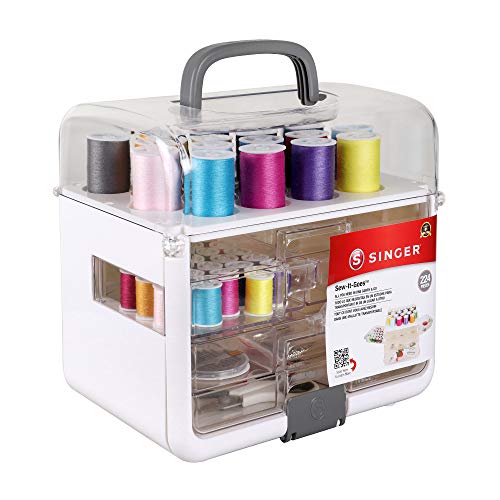
If you are just starting to build your toolkit, you don’t need the most expensive equipment on the market. You need tools that are functional, durable, and ready to work the moment you open the lid.
The Singer Heritage line hits that sweet spot between cost and utility. It includes the essential basics—needles, pins, and a seam ripper—that you will reach for daily, whether you are weaving in ends or securing a button to a finished cardigan.
Don’t let the low price point fool you into thinking these are "disposable" tools. They are sturdy enough to handle the rigors of frequent use while you learn the ropes of garment finishing.
Coleman Vintage Style Tin: Best Compact Option

Sometimes, you need a kit that fits into your project bag right alongside your current knitting WIP (Work In Progress). If you take your knitting to coffee shops or on the train, you need something that won’t spill its contents everywhere.
This tin is small, sturdy, and protects your delicate tools from getting bent or lost in the bottom of your tote. It is the perfect size for carrying spare tapestry needles and a small pair of folding scissors.
It’s an excellent choice for a dedicated "travel kit." Keep your main supplies at home and use this for the essentials you need while out and about.
Gingher Heirloom Collection: Best Professional Set
Investing in professional-grade tools is a decision you will never regret as you advance in your craft. When you spend hours knitting a complex lace shawl, you shouldn’t be using dull scissors that fray your yarn.
Gingher tools are renowned for their precision and longevity. The blades are sharp enough to snip through mohair or silk blends without catching, ensuring a clean cut every single time.
While the price is higher, consider it a long-term investment in your hobby. High-quality tools reduce frustration and improve the final finish of your work.
Merchant & Mills Sewing Box: Best Artisan Quality
There is something deeply satisfying about using tools that feel as good as they look. Merchant & Mills emphasizes a tactile, high-quality experience that elevates the simple act of finishing a project.
Their kits often feature materials like wood and metal rather than plastic. This durability means your kit will last for years, potentially even becoming an heirloom you pass down to a fellow knitter.
If you appreciate the "slow craft" movement, this is the kit for you. It turns the mundane task of organizing your notions into a moment of intentionality and calm.
Bohin France Sewing Kit: Best Precision Tools

Precision is non-negotiable when you are working with fine-gauge yarns. If you are knitting with lace-weight yarn on 2.0mm needles, you need needles and pins that won’t snag or damage delicate fibers.
Bohin is legendary for the quality of their steel. Their needles are smooth and have the perfect amount of "give," which is vital when you are working through tight, intricate stitches.
If you find yourself struggling with snagged yarn or dull pins, upgrade to this kit. The difference in tool quality is immediately apparent in the smoothness of your finishing work.
Simplicity Retro Sewing Kit: Best Beginner Value
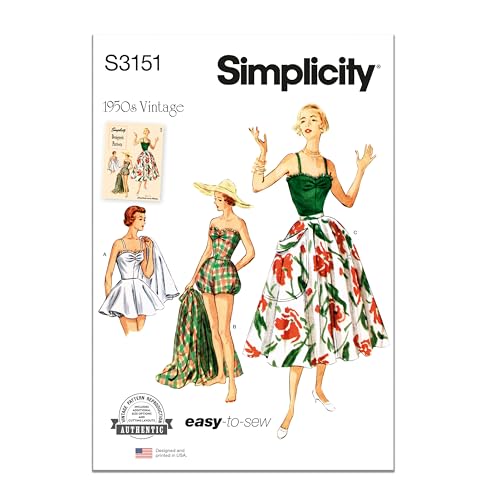
For the beginner who is overwhelmed by the sheer number of options, this kit simplifies the process. It provides a broad range of basics in one cohesive, attractive package.
It includes everything you need to get started with basic repairs and finishing techniques. You won’t have to guess which sizes or types of tools to buy individually.
It is a low-risk way to stock your crafting space. You can always upgrade specific items later as you discover your personal preferences for scissors or needle styles.
Essential Tools Every Vintage Kit Should Include
Regardless of the kit you choose, ensure it covers the basics of fiber care. You absolutely need a set of blunt-tipped tapestry needles for weaving in ends, as sharp needles can split your yarn plies.
A good pair of small, sharp snips is also mandatory for trimming yarn tails close to the fabric. Avoid using heavy-duty kitchen scissors, as they are often too bulky to get a clean cut near your delicate knitting.
- Tapestry needles (various sizes for different yarn weights)
- Small, sharp snips (for precision trimming)
- Flexible measuring tape (for checking gauge)
- Stitch markers (essential for tracking patterns)
Why Quality Notions Matter for New Needleworkers
Many beginners focus entirely on the needles and yarn, ignoring the tools used for finishing. However, poor-quality notions can ruin a beautiful piece of work.
A dull seam ripper can tear your fabric, and cheap pins can leave rust marks on light-colored wool. When you spend twenty hours on a sweater, the last thing you want is a tool failure during the final assembly.
Investing in quality tools early on saves you from the frustration of "making do." It allows you to focus on your technique rather than fighting with equipment that isn’t up to the task.
How to Maintain Your Vintage Sewing Kit Supplies
To keep your tools in top condition, keep them dry and clean. Moisture is the enemy of metal tools, so avoid storing your kit in damp areas like basements or near open windows.
Periodically wipe down your scissors and needles with a soft cloth to remove any natural oils or fiber dust. If your scissors start to feel stiff, a tiny drop of sewing machine oil on the pivot point works wonders.
Finally, keep your needles organized by size. A disorganized kit leads to lost tools, and there is nothing worse than hunting for a specific needle when you are ready to finish that final bind-off.
Your sewing kit is more than just a box of parts; it is a companion for your creative journey. By choosing quality tools that suit your specific needs, you set yourself up for success in every project you undertake. Take the time to curate a kit that feels right in your hands, and you will find your finishing work becomes as enjoyable as the knitting itself. Happy making, and may your yarn always be tangle-free.