6 Best Wool Felt Sheets For Custom Patch Creation
Discover the top 6 wool felt sheets for custom patches. This guide compares texture, durability, and color variety to help you craft professional-grade designs.
Creating custom patches for your hand-knits is a fantastic way to add a personal, structural flair to your favorite sweaters and accessories. Choosing the right wool felt is critical because the wrong material will pill, shed, or lose its shape under the tension of a finished garment. This guide breaks down the best sheets on the market so your hard work stays pristine. Whether you are patching elbows or adding decorative flair, these materials provide the professional finish your knitting deserves.
Benzie Design Wool Blend: Best Overall Choice
Benzie Design is a staple in the fiber arts community because they strike a perfect balance between softness and structural integrity. Their wool-rayon blend provides the drape you need for a patch that moves with your garment without feeling like a stiff piece of cardboard.
If you are applying a patch to a high-movement area, like the elbow of a sweater, this blend is forgiving. It is thick enough to withstand friction but flexible enough to be stitched down easily with a standard embroidery needle.
The bottom line here is versatility. If you are unsure which felt to pick for your first project, start here to ensure a reliable outcome.
National Nonwovens Wool Felt: Top Durability


When you spend forty hours knitting a sweater, you don’t want your patches to disintegrate after three washes. National Nonwovens is the industry standard for industrial-strength durability, making it the go-to for heirloom-quality garments.
This felt is dense and resists pilling, which is a common headache when working with lower-quality synthetic alternatives. Because it holds its edge so well, you can cut intricate shapes without worrying about the fibers fraying or pulling apart at the corners.
If you are patching a heavy-duty wool coat or a pair of thick mittens, this is the material that will outlast the garment itself. It’s an investment in longevity.
FeltWonders Merino Wool Sheets: Best Texture

Merino is the gold standard for softness in the knitting world, and FeltWonders brings that same luxurious feel to their felt sheets. If you are placing a patch near the neck or wrist where the skin is sensitive, this is your best option.
The texture is incredibly uniform and plush, providing a high-end, professional look that synthetic blends simply cannot replicate. It feels like a natural extension of your hand-knit fabric rather than an afterthought.
Be aware that because it is softer, it is slightly more delicate than a firm industrial felt. Use this for decorative patches or applique rather than high-friction areas like palms or elbows.
The Felt Store 100% Wool: Best Color Variety

Sometimes a project needs a very specific color match to complement your hand-dyed yarn. The Felt Store offers an expansive color palette, allowing you to find the exact shade that ties your colorwork or intarsia together.
Using 100% wool means you get the natural felting properties of the fiber. It bonds beautifully when stitched, and the color saturation is deep and consistent across the entire sheet.
Because it lacks synthetic binders, it has a more "organic" feel that pairs perfectly with rustic, woolen-spun yarns. It’s the best choice for makers who prioritize natural fibers in every aspect of their craft.
Kunin Premium Wool Blend: Best Budget Option
If you are just learning how to appliqué or are working on a prototype, you don’t always need top-tier luxury materials. Kunin offers a reliable, accessible blend that is perfect for practicing your blanket stitch or testing out patch placement.
It is stiffer than pure merino, which actually makes it quite easy to cut into precise geometric shapes. If you struggle with your scissors slipping, this added body can be a significant advantage.
While it isn’t as soft as the higher-end options, it is a sturdy "workhorse" felt. It is an excellent choice for kids’ projects or items that will see heavy, casual use.
WoolFeltCrafts Pressed Sheets: Best for Detail
For the knitter who loves small, intricate designs, pressed felt is a game-changer. These sheets are manufactured to be exceptionally dense, which prevents the "fuzzing" that happens when you try to cut tiny curves or sharp points.
You can cut these with a craft knife or sharp precision scissors without the edges turning into a fuzzy mess. This is essential for detailed patches like initials, small flowers, or geometric motifs.
Because the fibers are so tightly packed, the patches maintain their shape perfectly over time. If your project requires precision, look for pressed, high-density options.
Essential Tips for Cutting Wool Felt Patches
Always use the sharpest scissors you own, ideally dedicated fabric shears that haven’t been used on paper. Dull blades will chew the fibers, leaving you with a jagged edge that looks unprofessional against your carefully blocked knitting.
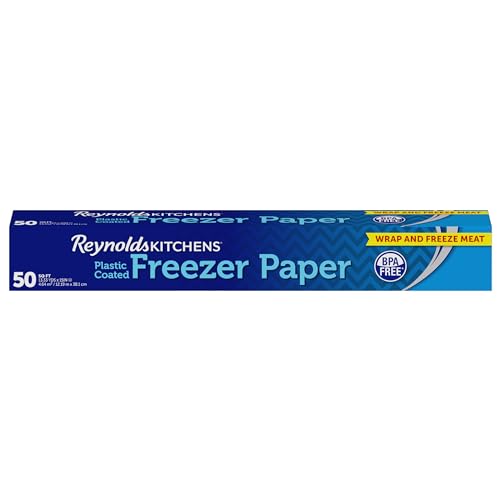
If you are cutting complex shapes, use a freezer paper template. Iron the freezer paper to the felt, draw your design, and cut through both layers; it stabilizes the material and ensures your lines are crisp.
Finally, remember to cut on the bias if you need the patch to have a tiny bit of stretch. Most felt is non-directional, but testing the tension before you commit to the final cut is always a smart move.
How to Choose the Right Thickness for Projects
Thickness is measured in millimeters, and the right choice depends entirely on your base fabric. For a delicate lace shawl, a 1mm or 2mm sheet is ideal; anything thicker will be too heavy and cause the fabric to sag or distort.
For a heavy-gauge fisherman’s sweater or a felted bag, you can move up to 3mm or thicker. The patch should never be significantly heavier than the garment it is attached to, or it will pull at your stitches.
When in doubt, err on the side of thinner. You can always add a second layer of felt for depth, but you cannot fix a patch that is too bulky and rigid for the garment’s drape.
Caring for Your Wool Felt Patches and Applique
Treat your patched garments with the same care you give your hand-knits. Hand-washing in cool water with a gentle wool wash is non-negotiable to keep both the garment and the felt patch from matting or shrinking.
Never wring the garment out after washing, as this can distort the shape of your patch and the surrounding knit fabric. Instead, roll the item in a clean towel and press gently to remove excess moisture.
If the patch gets a bit fuzzy from wear, a simple fabric shaver can be used very carefully. Go slowly to avoid catching the threads that attach the patch to the sweater.
Frequently Asked Questions About Wool Felt
- Will the felt shrink? Most high-quality wool blends are pre-shrunk, but 100% wool can shrink if exposed to hot water or agitation. Always wash in cool water.
- Can I use a sewing machine? Yes, but use a longer stitch length to avoid perforating the felt too densely, which can cause it to tear.
- What thread should I use? A matching embroidery floss or a fine wool-blend thread is best. Avoid heavy synthetic threads that might cut through the felt over time.
- How do I attach it? A simple blanket stitch is the most secure and aesthetically pleasing method for attaching patches to knitwear.
Selecting the right wool felt is just as important as choosing the right yarn for your project. By considering the weight, texture, and durability of these sheets, you can ensure your custom patches are a beautiful, lasting addition to your wardrobe. Take your time with the cutting and stitching, and you will find that these patches elevate your hand-knits to a professional level. Happy crafting, and may your stitches always be even and your patches perfectly placed.