6 Craft Knives For Precise Paper Trimming That Last
Cut through paper with ease using our top 6 picks for durable craft knives. Explore our expert recommendations and choose the perfect tool for your projects.
Precise paper trimming is as vital to a successful fiber arts project as achieving an accurate gauge on a delicate lace shawl. While needles and hooks are the primary tools of the trade, a sharp, reliable craft knife is indispensable for cutting intricate paper templates, shaping blocking boards, or preparing labels for finished goods. The following selection highlights tools that bridge the gap between hobbyist convenience and professional-grade durability. Investing in the right cutter ensures clean, crisp edges every time, preventing the fraying or tearing that can ruin a meticulously planned project.
X-Acto #2 Knife: The All-Around Classic Choice


The X-Acto #2 knife is the reliable workhorse of the craft room, much like a standard aluminum needle set is to a frequent knitter. Its thicker barrel provides a comfortable grip that mimics the feel of a traditional knitting needle, making it a natural extension of the hand during long cutting sessions.
This tool excels when cutting through heavier cardstock or thick cardboard used for DIY yarn bobbins or blocking templates. The heavy-duty blade allows for high-pressure cuts without the risk of the blade snapping under tension.
While its design is simple, the classic nature of the X-Acto #2 means replacement parts are universally available. It is the ideal entry point for anyone needing a sturdy, no-nonsense tool that delivers consistent results across a variety of fiber-related paper tasks.
Fiskars Detail Knife: Best for Long Crafting Sessions
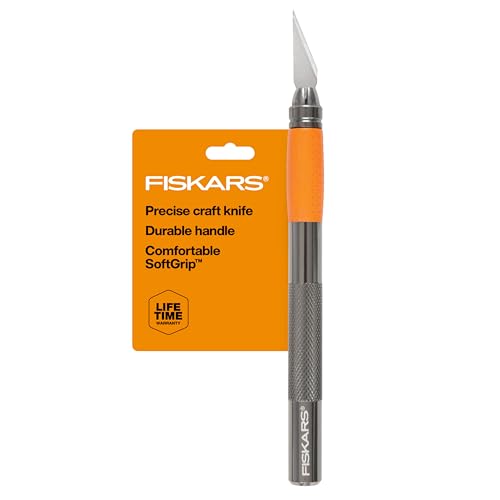
Ergonomics are just as important when choosing a cutting tool as they are when selecting a needle material to prevent hand fatigue. The Fiskars Detail Knife features a soft-grip handle designed to reduce pressure points during extended periods of intricate paper cutting.
If you find your hands cramping after hours of stranded colorwork, this knife’s contoured shape will feel remarkably familiar and supportive. It minimizes strain while providing the stability required to follow complex curves on pattern printouts or decorative project tags.
The tradeoff here is a slightly less rigid body compared to all-metal alternatives. However, for most paper-based fiber arts tasks, the comfort-first design makes it a superior choice for those who prioritize hand health during creative sessions.
OLFA AK-4 Art Knife: A Top Pick for Professionals

The OLFA AK-4 is synonymous with precision, functioning with the same exacting standards as high-end, smooth-finish carbon fiber needles. It features a unique, weighted design that helps anchor the tool against the cutting surface, leading to smoother, more deliberate strokes.
Professional makers who cut hundreds of tags or complex pattern templates will appreciate the rubberized grip and the anti-roll feature. These small details prevent the tool from sliding off a table, saving both the blade tip and the work surface from accidental damage.
This knife is built for those who treat their craft tools as lifelong investments. Its longevity is unmatched, provided the blades are maintained with the same care one would offer a fine pair of stork embroidery scissors.
Excel Blades K1 Knife: Best Value Hobbyist Option
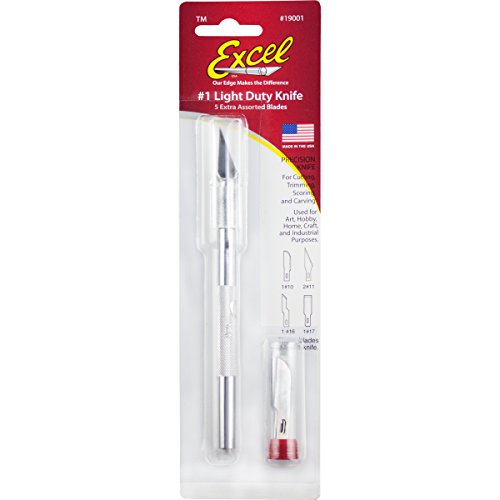
The Excel Blades K1 is a streamlined, efficient tool that offers professional performance without an intimidating price point. It functions similarly to a basic wooden needle; it lacks bells and whistles but performs its primary job with absolute reliability.
This knife is particularly effective for those just starting to build their toolkit for custom project packaging or pattern modification. Its lightweight aluminum body ensures that control is dictated by your own hand movements rather than the weight of the tool itself.
Because it uses a standard collet design, it is compatible with a wide array of aftermarket blades. For the hobbyist on a budget, this versatility allows for upgrading to higher-quality blades later without needing to replace the handle.
Cricut TrueControl Knife: For Ultimate Blade Control
The Cricut TrueControl knife revolutionizes blade stability with a patented locking system that eliminates the common annoyance of blade wobble. When making precise cuts through delicate paper, even a millimeter of movement can compromise the entire piece.
This knife feels significantly more secure in the hand, much like the difference between sliding stitches on slippery metal needles versus grippy bamboo ones. The locking mechanism ensures the blade stays exactly where it is positioned, giving you the confidence to execute sharp turns and intricate corner work.
It is an excellent choice for knitters who also dabble in complex paper-crafting or intricate pattern-making. While the blades are proprietary, the trade-off in superior control and safety is well worth the extra cost.
Slice Ceramic Craft Knife: The Safest Blade Option
The Slice Ceramic Craft Knife offers a unique solution for those who are wary of the razor-sharp edges of traditional steel blades. Its ceramic blade remains sharp significantly longer than steel, and it is finger-friendly, meaning it is less likely to cause deep cuts if a slip occurs.
Ceramic blades are chemically inert and will not rust, making them ideal if you work in an environment with high humidity where your fiber stash is also stored. This ensures that no iron-based contaminants or rust flakes ever touch your precious materials.
The trade-off is that ceramic is brittle; it will not tolerate being used to pry or twist materials. If your work involves pure, straight-line paper cutting, the longevity and safety profile of this tool are unmatched in the current market.
How to Choose the Right Craft Knife for Your Needs
Selecting the right tool depends entirely on the material thickness and the duration of your projects. If you are trimming thin labels, a lightweight K1 is sufficient, but if you are cutting through thick backing board for yarn cards, a heavier, metal-barrel knife is required.
Consider the ergonomics of your workspace. If you have any history of hand tension or arthritis, prioritize handles with soft-grip coatings and wider diameters.
- For delicate detail: Opt for knives with a locking blade mechanism to prevent shifting.
- For heavy-duty cardstock: Choose a knife with a high-strength aluminum or steel barrel.
- For safety-first studios: Prioritize ceramic blades, keeping in mind they require a gentler cutting technique.
Craft Knife Safety: Tips for Confident Cutting
Always cut away from your body, maintaining a clear line of sight to the blade tip. Just as you keep your needles pointed away from your eyes while working, your cutting surface should be treated with intentional caution.
Use a dedicated self-healing cutting mat to preserve your blades and your tabletop. A dull mat surface causes the knife to skip, which is a leading cause of accidental slips and ruined projects.
Finally, keep your non-cutting hand behind the path of the blade at all times. If you feel the need to use force, stop; a dull blade is more dangerous than a sharp one because it requires more pressure to perform the same cut.
Straight vs. Curved: A Guide to Blade Shapes
Blade shapes dictate the flow of the cut, much like the difference between a blunt-tipped tapestry needle and a sharp sewing needle. A straight blade is the industry standard for general cutting and straight lines.
A curved or “bull-nose” blade allows for better maneuvering around tight corners and circular shapes. These are essential for cutting complex labels or intricate templates for blocking your finished items.
Experiment with both shapes to see which feels more natural. Many makers keep one of each handle-ready on their desk, allowing them to switch blades based on the specific geometry of their current paper project.
How to Properly Change and Dispose of Your Blades
A dull blade is a liability that invites error and potential injury. Change your blade the moment you feel it catching or tearing the paper rather than slicing through it cleanly.
Always use pliers to remove an old, dull blade to ensure your fingers remain safe from the edge. Dispose of used blades in a designated “sharps” container—a sturdy, metal, or thick plastic bin—so they do not pose a risk to anyone handling your household waste.
Never throw loose blades into a standard trash bag. Secure them in a bit of heavy tape or a small cardboard box before placing them in your disposal container to guarantee the safety of others.
A sharp, well-maintained craft knife is as essential to a finished project as the final weave-in of your yarn ends. By selecting a tool that aligns with your specific dexterity and project needs, you ensure that every part of your creative process is executed with the care and precision your hard work deserves.