7 Best Sewing Notions For Decorative Pillow Piping
Elevate your home decor with these 7 essential sewing notions for perfect pillow piping. Read our expert guide now to master professional-quality finishes today.
Adding custom piping to a handmade pillow transforms a simple project into a piece that rivals high-end boutique home decor. Much like selecting the correct needle size for a specific yarn weight, choosing the right sewing notions for piping dictates the final drape and structural integrity of the finished piece. Precision in these small details prevents the uneven edges often seen in amateur sewing. Master these tools, and the results will mirror the professional finish of a well-blocked lace shawl.
Dritz Cotton Piping Cord: Best Overall Choice


Cotton piping cord remains the industry gold standard for its predictable behavior and natural fiber content. Unlike synthetic fillers that can warp or melt under a hot iron during the blocking or pressing process, cotton maintains its shape.
This consistency ensures that the internal structure of the piping does not shrink away from the fabric casing after the first wash. A stable, non-stretchy filler provides the necessary “body” to keep piping upright and crisp, even after years of use on a sofa.
The trade-off for this durability is a slight rigidity that requires careful handling during installation. For beginners, the 3/32″ or 5/32″ diameter works best, as these sizes are forgiving when navigating curves or corners.
Low Shank Piping Foot Set: Most Versatile Kit
A specialized piping foot features a deep groove on the underside that allows the foot to glide smoothly over the cord. This design is critical for maintaining an even distance between the needle and the filler, preventing the “wobbly” line often seen with standard presser feet.
Many low shank kits include multiple sizes, offering the same versatility as a set of interchangeable knitting needle tips. Whether you are using thick upholstery cord or delicate lightweight piping for decorative shams, these feet ensure the needle sits perfectly flush against the piping edge.
Do not assume a one-size-fits-all approach when selecting a foot. If the groove is too wide, the piping will shift under the needle, leading to gaps in the seam that ruin the overall aesthetic.
Dritz Adj. Zipper/Cording Foot: Best Budget Pick
The adjustable zipper foot serves as an excellent entry point for those intimidated by specialized equipment. It allows the needle position to be moved left or right, effectively “customizing” the distance between the needle and the cord without needing a dedicated foot for every size.
This tool functions similarly to a single-pointed needle, offering simplicity and direct control. It is particularly effective for those working on machines with limited clearance or older vintage models that do not accept modern snap-on feet.
While it lacks the dedicated tracking groove of a specialized piping foot, the manual adjustment capability is a major advantage. It is the ideal choice for those who value mechanical simplicity over automated precision.
Clover Bias Tape Maker: For Perfect Fabric Strips
Creating bias strips is the only way to achieve the necessary stretch for turning sharp corners without the fabric puckering. A bias tape maker provides uniform folds, ensuring the fabric casing for the piping is consistent from start to finish.
Using a bias maker is akin to managing tension during stranded colorwork; consistency is everything. If the strip width varies, the piping will appear lumpy or tight in some areas and loose in others.
For the best results, always cut the fabric on a true 45-degree angle. This creates the flexibility required for the piping to wrap around the corners of a pillow without distorting the fabric grain.
Clover Wonder Clips: Best for Holding Piping Secure
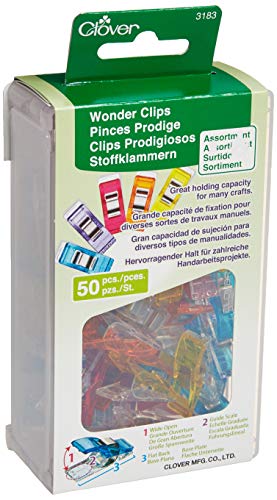
Pins are frequently too thick for piping, and they often cause the fabric to shift or create unwanted holes in delicate decorative textiles. Wonder Clips provide a secure, flat hold that keeps the piping perfectly aligned with the edge of the pillow cover.
These clips act like stitch markers, holding crucial alignment points without damaging the fibers. They are particularly useful when you are joining the ends of the piping or navigating a tricky turn where the fabric is prone to sliding.
Always ensure the clip is applied perpendicular to the edge to maximize surface area contact. They are far superior to pins when working with heavy-weight upholstery fabrics where the weight of the material can easily pull a pin out of place.
Gingher 4″ Embroidery Scissors: For Precise Trims
Precision trimming of seam allowances is a non-negotiable step for clean, professional piping. These small, sharp scissors allow for surgical accuracy when grading seams or trimming excess bulk before turning a corner.
A high-quality pair of scissors will cut cleanly to the very tip, preventing the fraying often associated with dull blades. Think of these as your finest lace-knitting needles; keep them dedicated to fabric work only to ensure they remain razor-sharp.
Avoid the temptation to use large fabric shears for these delicate tasks. Excess blade length reduces control, increasing the risk of accidental snips into the decorative fabric of the pillow.
Dritz Mark-B-Gone Pen: For Flawless Seam Lines

Marking the stitch line on the wrong side of the fabric is the secret to perfect piping application. A water-soluble marker allows for precise placement, ensuring the needle tracks exactly where intended rather than relying on guesswork.
This tool is the equivalent of a lifeline in a complex knitting pattern. It provides a visual guide that eliminates the anxiety of trying to sew a perfectly straight line while managing the bulk of the piping filler.
Always test the marker on a scrap piece of your specific fabric before marking the entire project. While it washes out easily, some delicate fibers may hold pigment differently, requiring a quick swatch test—just as one would swatch for gauge before beginning a sweater.
How to Pick the Right Piping Cord Diameter
The diameter of the piping cord must correspond to the weight of your chosen fabric. A very thin, delicate cord will disappear inside a thick, heavy-duty velvet, while an oversized cord will make the fabric pull and look distorted.
- 1/8″ (Thin): Best for lightweight silks, linens, and fine decorative pillows.
- 5/32″ (Medium): The standard choice for quilting cottons and general home decor.
- 1/4″ and above (Heavy): Reserved for thick upholstery fabrics and heavy-duty canvas.
Choosing the right size is about maintaining the balance of the piece. If you are unsure, err on the side of a slightly smaller diameter, as a large cord creates significant tension that can compromise the seam strength over time.
Nailing Perfect Corners with Your Pillow Piping
Corners are where most piping projects fall apart, often becoming lumpy or uneven. To create a crisp corner, you must stop the machine exactly at the corner point, leave the needle in the fabric, and create a small “v” notch in the seam allowance of the piping tape.
This technique removes the excess bulk, allowing the piping to pivot smoothly around the corner. Once the corner is turned, continue sewing slowly to ensure the piping remains seated in the corner’s exact radius.
Do not rush this step. If the fabric bunching is ignored, the corner will never lay flat, no matter how much you press it.
Making vs. Buying Piping: Which Is Right for You?
Buying pre-made piping is convenient, but it limits your choices to whatever is available in the store. It is the equivalent of using a generic yarn for a custom design; it works, but it lacks the intentionality of a project-specific choice.
Making your own piping allows you to use the exact same fabric as the pillow cover, creating a seamless, high-end “self-piped” look. It also allows for the use of high-quality cotton fillers, which are almost never found in mass-produced, store-bought piping.
If you are a beginner, buy one package of pre-made piping to practice the sewing technique. Once the rhythm of the machine is comfortable, shift to making your own to elevate your final results.
Mastering the mechanics of piping is a rewarding progression, much like moving from basic garter stitch to complex cabling. By selecting these specific tools, you ensure that every pillow you create is constructed with the durability and precision required to last for years. Take your time with the alignment, prioritize high-quality cotton fillers, and trust the process of proper seam grading. Your finished work will be a testament to the care and expertise poured into every single stitch.