7 Best Harness Needles For Leather Assembly To Try
Upgrade your leatherworking projects with our top 7 harness needles for leather assembly. Click here to discover the best tools to improve your stitch quality.
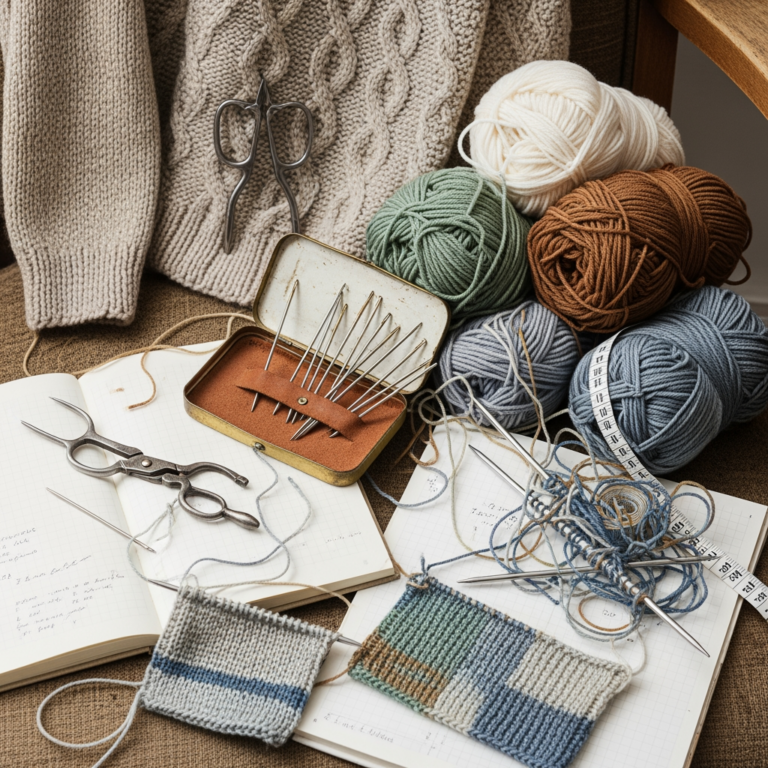
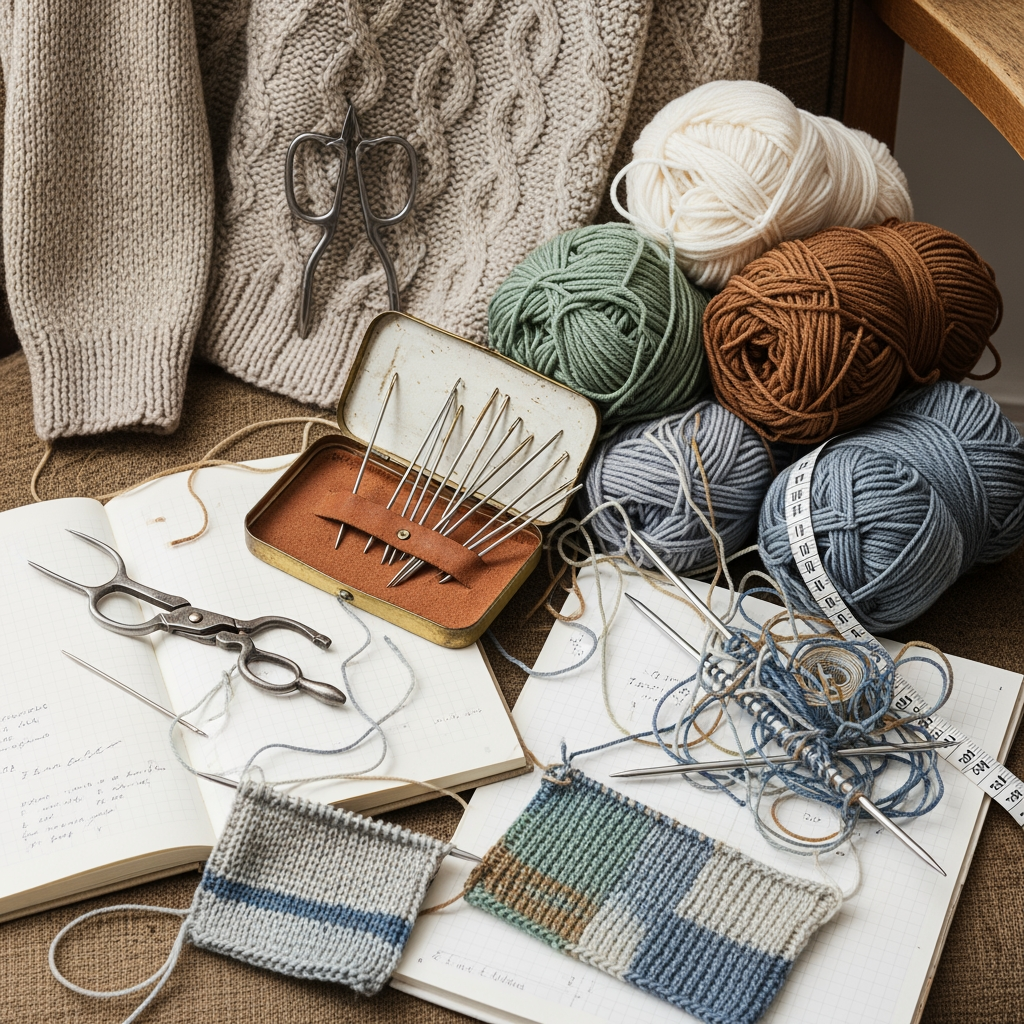
Choosing the right harness needle for leather assembly is much like selecting the perfect needle for a delicate lace project. Just as the wrong knitting needle tip can split a fine silk yarn, an incorrect harness needle can mar expensive hides or fail to pull thread through thick vegetable-tanned leather. Precision and material compatibility are the cornerstones of a clean, durable stitch. Mastery in leatherwork, as in knitting, relies on understanding the relationship between the tool and the medium.
John James Saddler’s Needles: Best Overall Pick


John James Saddler’s needles are the gold standard for many, functioning with the same reliability as a classic stainless steel knitting needle. They possess a high polish that allows the metal to glide through dense leather without dragging or snagging.
These needles are renowned for their consistent temper, meaning they are rigid enough to resist bending yet flexible enough to avoid snapping under pressure. This balance is critical when navigating multiple layers of leather where torque is applied during the saddle stitch.
For projects involving thick, firm leathers, this needle is a workhorse that minimizes hand fatigue. The consistency of the eye size ensures that various thread weights seat well without fraying or knotting inside the needle.
C.S. Osborne Harness Needles: Pro’s Top Choice

C.S. Osborne has built a reputation on legacy, similar to established brands that have supplied needles to knitters for generations. These needles are preferred by professionals who demand a specific level of stiffness and a sharp, consistent tip geometry.
When working on complex assemblies like bridle leather or heavy-duty belts, the rigidity of an Osborne needle is unmatched. It penetrates through pre-punched holes with surgical accuracy, ensuring the stitch path remains perfectly aligned.
While they are highly durable, the trade-off is a slightly more utilitarian finish compared to premium polished options. They are built for performance in a workshop setting, prioritizing function over aesthetic polish.
Tandy Leather Needles: Best for New Leatherworkers
Tandy Leather needles serve as an accessible entry point for anyone learning the fundamentals of leather assembly. They are widely available and perform predictably, much like a standard aluminum needle set for a beginner knitter.
These needles are excellent for learners because they handle common mistakes well, such as accidental bending during the initial phases of learning the saddle stitch. They provide a manageable tension that helps beginners get a feel for thread resistance.
While these may lack the specialized tempering of professional-grade tools, they offer a low barrier to entry. Beginners benefit from their affordability while they develop the muscle memory required for consistent stitching.
Sailrite Blunt Tip Needles: Safest for Beginners
Sailrite blunt tip needles prioritize safety and material preservation, making them an interesting choice for those concerned about splitting threads or damaging fibers. A blunt point ensures that the needle passes through the pre-punched hole without catching on the leather edge.
This feature is particularly beneficial when working with delicate leathers or when performing intricate stitching that requires multiple passes through the same hole. The blunt tip effectively pushes aside existing thread rather than piercing it, which prevents the messy, overcrowded look of a ruined stitch line.
Using these needles requires a clean, well-punched hole, as the tip does not actively pierce the material. They are the ideal choice for those who want to focus on technique without the risk of damaging the surface of the leather.
WUTA Leather Needles: Best Budget-Friendly Option
WUTA needles have gained popularity for offering a high-quality finish at a price point that makes them ideal for stocking up in various sizes. They feature a polished, rounded tip that mimics the performance of more expensive saddler’s needles.
The smoothness of the needle surface is the standout feature here, as it reduces friction when pulling wax-coated thread through tight channels. For makers who burn through needles on heavy production runs, this cost-effective option does not sacrifice performance.
One should note that while they are highly capable, they may require more frequent replacement than premium hardened steel options. They are an excellent way to maintain a full toolkit of various gauges without over-investing in specialized equipment.
Dritz Upholstery Pack: The Best Assorted Value Set

The Dritz upholstery pack offers a range of shapes and sizes, which is helpful for those transitioning between different types of leather assembly. Much like a starter kit of varied knitting needle sizes, this set ensures there is a tool for every immediate need.
This collection includes curved and straight options, providing versatility for furniture upholstery or heavy-duty bag repairs. It allows for experimentation with different thread paths and angles that standard harness needles cannot accommodate.
Because these are often designed for upholstery, they may be slightly thinner than dedicated harness needles. They are best suited for lighter leathers, garment work, or hobbyist projects where a massive puncture is not required.
Royal Harness Needles: A Solid Heavy-Duty Choice
Royal harness needles are built for those who tackle heavy-duty projects where resilience is paramount. These needles feel sturdy in the hand and are designed to handle the thicker, waxed threads required for extreme leather applications.
The metal composition is noticeably robust, resisting the deformation that often occurs when pulling thick threads through multiple layers of chrome-tanned leather. If the project involves thick soles or heavy-duty equestrian gear, these are the tools of choice.
These needles are not necessarily for the delicate crafter, but they are essential for heavy-gauge work. Their performance is consistent, provided the user respects the strength required to drive them through dense material.
How to Pick the Right Harness Needle Size & Point
Choosing the correct size is a balance between thread thickness and the size of the hole created by a stitching chisel or awl. If the needle is too thick, it will expand the hole and leave an unsightly, loose stitch that lacks the professional tension desired in leathercraft.
Always aim for a needle that is just slightly wider than the thread but slim enough to pass through the puncture without excessive effort. If the needle struggles to pass through, you have likely chosen a size that is too large for your project.
- Small/Fine Needles: Use for thin, delicate leathers or high-stitch-count decorative work.
- Medium Needles: The standard for most wallets, purses, and light accessories.
- Large/Heavy Needles: Necessary for belts, saddlery, and heavy-duty canvas or leather bags.
Pairing Your Needle with the Right Leather Thread
The harmony between thread and needle determines the longevity of the final product. A natural linen thread requires a smooth, polished needle to prevent fraying, whereas synthetic threads like bonded nylon are more forgiving of friction.
If the thread is too thick for the needle eye, it will bunch up, create extra drag, and potentially snap during the stitching process. Conversely, if the thread is too thin for the needle, it may slip out or fail to fill the hole, leading to a loose stitch that degrades over time.
Always test your thread-to-needle pairing on a scrap piece of the same leather before starting the actual project. This practice mirrors the “swatching” habit in knitting, ensuring your tension and tool choice are perfectly calibrated before committing to a final assembly.
Harness Needle vs. Glovers Needle: Key Differences
Understanding the difference between a harness needle and a glovers needle is vital for the integrity of your work. A harness needle features a rounded or blunt tip, designed to pass through a pre-punched hole without altering its shape or piercing the leather unnecessarily.
A glovers needle, by contrast, has a triangular, sharp tip specifically designed to pierce and cut through leather as it goes. If you use a glovers needle on a project intended for a harness needle, you risk cutting the leather fibers, which can cause the stitches to pull through the material over time.
Reserve glovers needles for projects where you are working without pre-punched holes or need to puncture the material as you go. For traditional saddle stitching, always stick to harness needles to maintain the structural strength of your leather pieces.
Selecting the right harness needle is an investment in the structural integrity and aesthetic finish of your leather craft. By matching the needle’s geometry and size to your specific project needs, you ensure that every stitch is placed with purpose and precision. Take the time to test your combinations, and you will find that the right tool makes the entire assembly process as fluid and rewarding as any masterful knitting project.