6 Best Iron On Backings For Embroidered Patches
Discover the 6 best iron on backings for embroidered patches to ensure a professional, long-lasting finish. Read our expert guide and choose the right one today.
Applying an embroidered patch to a handmade knit garment requires more than just heat; it requires an understanding of how fibers react to adhesives and the physical stress of wearing a knitted piece. Whether reinforcing a worn elbow on a favorite wool sweater or customizing a dense cotton tote, the choice of backing determines whether the design stays crisp or puckers after a single wash. Selecting the right adhesive is a balancing act between achieving a permanent bond and maintaining the natural drape of the textile. This guide explores the six best iron-on backings to ensure your patches remain as durable as your stitches.
HeatnBond UltraHold: The Toughest Bond Out There
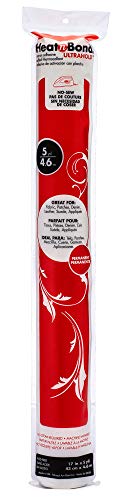

HeatnBond UltraHold is designed for projects that demand maximum adhesion without the need for traditional sewing. Because it is a no-sew, heavy-duty adhesive, it creates a rigid bond that holds firm against frequent friction.
This backing is ideal for non-stretch, dense items like denim bags or stiff wool coats. Use it when the patch is intended to be purely decorative and won’t be subjected to the constant expansion and contraction inherent in ribbing or lace panels.
Avoid using this on delicate, lightweight fabrics, as the thickness of the adhesive can create a stiff, unnatural area that ruins the drape of the knit. If the goal is a permanent, immovable fixture, this is the industry standard for strength.
Pellon 805 Wonder-Under: Best for Most Fabrics

Pellon 805 Wonder-Under serves as the versatile workhorse of the embroidery world. It features a paper-backed webbing that allows for easy tracing and precise cutting, making it perfect for custom patch shapes.
Its lightweight nature ensures that the fabric retains its suppleness, which is vital when applying patches to soft acrylics or fine wool blends. It bonds cleanly to most natural and synthetic fibers, providing a reliable hold that mimics the texture of the host fabric.

When working with finer gauge yarns, this backing is the safest bet to prevent the patch from becoming a heavy, unmoving weight. It strikes the ideal balance between security and flexibility.
Steam-A-Seam 2: Best for Easy Repositioning
Steam-A-Seam 2 includes a pressure-sensitive adhesive that holds the patch in place before the iron is even touched. This is a game-changer for knitters who struggle with patches shifting while moving the iron across a textured surface like a cable knit.
The adhesive remains tacky until heat is applied, allowing for multiple adjustments. If the patch isn’t perfectly centered over the graft or the intended spot, simply peel it up and shift it.
This feature is invaluable for beginners who may lack the steady hand required to set a patch correctly the first time. Once set with a hot iron, the bond becomes permanent and resistant to the elements.
Therm O Web SuperStik: Heavy-Duty No-Sew Choice
Therm O Web SuperStik is engineered for projects that endure heavy wear and tear. It provides a thicker, more aggressive adhesive layer that penetrates deep into the fibers of both the patch and the garment.
For items like heavy-duty knit workwear or thick-gauge wool accessories, this backing handles the physical strain of daily use. It is a no-sew solution meant for those who want a robust connection without pulling out a needle and thread.
Keep in mind that its heavy-duty nature means it will likely leave a residue if removed. Reserve this product for patches intended to stay on the garment for the lifetime of the piece.
Dritz Stitch Witchery: Lightweight, Sewable Fusion

Dritz Stitch Witchery is a classic choice for those who prefer the security of both glue and thread. Because it creates a thinner bond than heavy-duty options, it is much easier to push a needle through if you decide to reinforce the patch with a whip stitch.
This is the preferred backing for knitters who want the adhesive to do the heavy lifting of positioning, while a final pass with a sewing needle ensures the edges never peel. It works particularly well on delicate baby knits or lightweight shawls where a bulky adhesive would be distracting.
It is best applied sparingly to maintain the integrity of the knit’s stretch. If the knit is high-stretch, such as a superwash wool sock, rely on a light application to avoid creating a rigid “dead spot” in the fabric.
Sulky Tender Touch: Softest Backing for Clothing
Sulky Tender Touch is technically a stabilizer, but it excels as a patch backing for garments that sit directly against the skin. It eliminates the scratchiness that often occurs when an embroidered patch sits on the inside of a shirt or sweater.
The soft, fabric-like finish is breathable and flexible, preventing the irritation caused by harsher, plastic-based adhesives. It is the gold standard for children’s clothing or sensitive items where comfort is just as important as aesthetics.
While it offers a secure hold, it is not as aggressive as UltraHold. It is best suited for patches that are meant to be worn, laundered, and enjoyed without the harsh stiffness of heavy-duty tapes.
Choosing Your Backing: Sew vs. No-Sew Adhesives
The decision to sew or go no-sew depends largely on the “memory” and elasticity of the base fabric. Knit fabrics, by nature, possess a dynamic structure; they stretch, expand, and return to form.
No-sew adhesives are convenient, but they create a non-stretch zone. If a patch is applied to a sweater that stretches significantly at the chest or elbows, a no-sew adhesive will eventually crack or peel at the edges.
- Choose no-sew: For stiff fabrics, non-garment accessories, and permanent, low-stress placement.
- Choose sewable: For high-stretch garments, frequently laundered items, and pieces where you want a “finished”, professional edge.
The ultimate longevity of a patch almost always increases when a line of decorative stitching is added around the border. Even the strongest adhesive benefits from the mechanical support of thread.
How to Apply Backing for a Permanent, Even Bond
Begin by cleaning the fabric surface and ensuring it is completely flat. Use a pressing cloth between the iron and the patch; this prevents the adhesive from melting onto the iron plate and protects the delicate fibers of the knit from scorching.
Set the iron to the temperature recommended for the fabric, usually “wool” or “cotton” for most patches. Apply firm, direct pressure for at least 10 to 15 seconds, avoiding the temptation to slide the iron back and forth, which can shift the patch.
Allow the garment to cool completely before testing the bond. Heat-activated adhesives continue to set as they lose heat, so moving the garment too quickly can compromise the initial seal.
Troubleshooting Common Iron-On Patch Problems
If a patch peels at the edges, it is usually due to inadequate heat or trapped moisture during the application process. Check that the iron is hot enough to liquefy the adhesive entirely, and ensure there is no steam involved, as moisture can interfere with the bond.
If the patch bubbles in the center, the iron may have been too hot, causing the adhesive to over-melt and lose its grip. Always use a pressing cloth and keep the iron stationary to maintain an even temperature across the surface area of the patch.
If the patch feels stiff, the adhesive layer is likely too thick for the weight of the garment. For future applications, trim the adhesive backing exactly to the size of the patch rather than leaving excess glue around the edges.
Washing and Caring for Your Applied Patches
Wait at least 24 to 48 hours after application before washing the garment for the first time. This allows the adhesive to fully cure and integrate with the fibers of the yarn.
Always turn the garment inside out before placing it in the wash. This protects the face of the patch from friction against the drum of the machine or other pieces of laundry, which is the primary cause of premature peeling.
Select a cold or warm water cycle and avoid high-heat drying. Excessive heat in a dryer can re-liquefy some adhesives, causing the patch to lift or leave a permanent glue stain on the surrounding yarn.
Matching the right backing to the specific needs of a knitting project is the secret to a professional result. By considering the stretch of the yarn, the intended frequency of wear, and the comfort of the wearer, a patch can become a seamless part of any handmade creation. With the proper heat application and a little patience, any patch can be made to last through years of use.