6 Best Desktop Stands For Desk Practice To Improve Form
Improve your form and posture with these 6 best desktop stands for desk practice. Read our expert guide to find the perfect ergonomic solution for your workspace.
Knitting for extended periods often leads to neck strain and poor posture as the gaze drops repeatedly toward the lap. A dedicated desk stand keeps patterns at eye level, allowing the spine to remain neutral while hands focus on complex stitch patterns or delicate lace work. Investing in a proper stand transforms a repetitive craft into a more sustainable, comfortable experience. These six options cater to various workspaces, pattern formats, and physical needs, ensuring every knitter can find a setup that protects their body during long sessions.
Readaeer Adjustable Stand: Best Overall Value


The Readaeer stand serves as a reliable workhorse for those who switch between paper patterns and thin instruction booklets. Its sturdy metal construction prevents the common wobble that plagues cheaper plastic alternatives, which is essential when tracking intricate cable charts.
The adjustable pegs hold pages firmly in place without tearing delicate paper. This feature shines when working with high-twist wool yarns that require constant focus on stitch counts, as it eliminates the need to look away from the needles for long.
While it lacks the ultra-portability of smaller stands, its footprint fits perfectly on most side tables or knitting stations. For the knitter who wants a permanent, stable home for their patterns, this provides the best balance of price and durability.
Knitters Pride Magna Keeper: For Chart Lovers

This tool is designed specifically for the complexities of colorwork and lace where a single misplaced stitch ruins the entire motif. By utilizing magnetic strips, it locks a pattern row in place, allowing the eyes to glide across the chart without losing the current position.
The inclusion of magnets is a game-changer for stranded colorwork, where two different yarn strands might tangle if focus is interrupted. Keeping the chart secure and elevated reduces the risk of dropped stitches caused by awkward neck positions.
Although it is heavier than paper-based alternatives, the tactile security of the magnets outweighs the bulk. It is an ideal choice for advanced projects where accuracy is non-negotiable and efficiency is the priority.
SYITCUN Book Stand: Top Budget-Friendly Pick
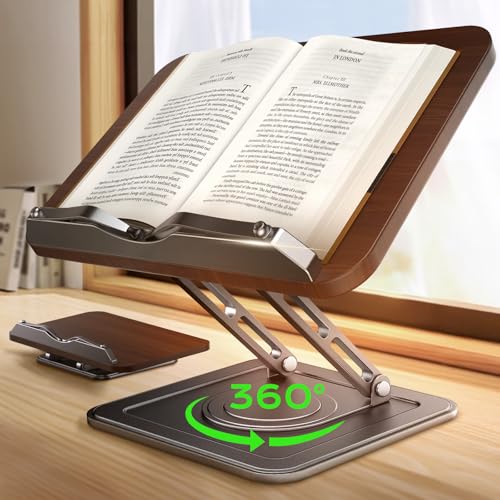
Simple, lightweight, and surprisingly functional, the SYITCUN stand offers a basic solution for knitters who occasionally consult patterns. Its minimalist design does not clutter a crowded crafting space, making it perfect for those who knit in small corners or shared living areas.
While the plastic build is less durable than metal, it handles standard-weight knitting books and printed pattern sheets with ease. If the goal is to get a pattern off the lap without a significant financial commitment, this is the logical starting point.
Be mindful that it may struggle with very thick, heavy reference books or thick binders. For the standard single-skein project or a simple scarf pattern, however, it performs exactly as needed.
Lamicall Adjustable Tablet Stand: Most Portable
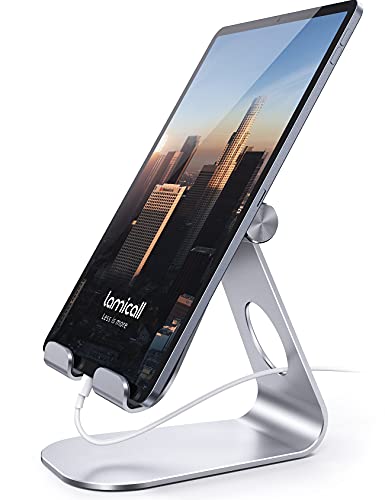
Tablets are becoming the primary source for digital patterns, and this stand caters specifically to that shift. Its folding design makes it effortless to tuck into a project bag, meaning the pattern stays at eye level even when knitting away from home.
The rubberized grips prevent expensive devices from slipping, which is a critical feature when working with slick needles or fibers that may cause slight vibrations. It holds tablets at various angles, accommodating different chair heights or lighting conditions.
The trade-off for such extreme portability is a smaller base, which may feel less stable if using an oversized tablet. For the knitter on the move, though, it is an essential tool for maintaining ergonomic form anywhere.
Uncaged Ergonomics Reading Stand: For Big Books

Heavy knitting reference books or large-format pattern collections require a sturdier, broader base to prevent tipping. This stand excels where smaller models fail, providing a wide platform that supports massive volumes without buckling under the weight.
Its adjustability allows the knitter to elevate the book quite high, which is essential for those who find standard stands still sit too low on a desk. This height adjustment prevents the subconscious “hunched” posture that often causes upper back fatigue after hours of knitting.
While its size makes it less ideal for small coffee tables, it is a superior choice for a dedicated home studio. It turns a massive, cumbersome stitch dictionary into an easily readable reference tool.
Tryone Gooseneck Holder: Ultimate Adjustability
The gooseneck design offers a unique advantage: it floats the pattern in the air at any height or angle desired. This is the ultimate solution for knitters who experience neck pain, as it allows the eyes to look straight ahead regardless of how the chair or lighting is positioned.
It clamps securely to the edge of a desk or side table, freeing up valuable workspace for yarn bowls, needle cases, and notions. This versatility is unmatched for complex sessions that involve switching between different charts or reference materials.
Setup requires careful positioning, as the arm may bounce slightly if bumped. However, for sheer flexibility and the ability to find the perfect ergonomic angle, no other stand competes.
How to Choose the Right Stand For Your Knitting
Selecting the right stand depends on the physical environment of the knitting space and the complexity of the projects. Consider if the patterns are typically printed on flimsy sheets, contained in thick books, or viewed on a digital tablet.
Stability is non-negotiable; a stand that tips over every time a stitch is dropped will quickly end up in the closet. Look for base weight, material quality, and the ability to hold the specific weight of the materials used.
Finally, think about portability versus permanence. A stationary knitter needs a robust, heavy stand, while a traveler requires something that fits comfortably inside a project bag alongside the needles and yarn.
Why Pattern Placement Matters for Your Posture
The human head weighs approximately ten to twelve pounds; when it tilts forward to look at a lap-bound pattern, that weight puts immense strain on the cervical spine. Elevating the pattern eliminates this forward tilt, preventing the “knitter’s neck” that often arises during intense sessions.
Proper posture also influences the mechanics of the hands and shoulders. When the spine is neutral, shoulder tension decreases, which leads to more consistent, even tension in the yarn.
If the shoulders are hunched, the hands naturally grip the needles tighter to compensate for the strain. By keeping the pattern at eye level, the body remains relaxed, leading to better stitch quality and longer, more comfortable knitting sessions.
Key Features: Stability, Angle, and Portability
When assessing a stand, focus on the mechanical features that impact the knitting experience. A wide base is critical for stability, particularly when using heavy hardcover books or large tablets that can shift the center of gravity.
Angle adjustment allows the user to tilt the pattern to avoid glare from overhead lighting, which is vital when working with dark-colored yarns or intricate lace. Ensure the adjustment mechanism locks securely so it does not slide while tracking a delicate row of stitches.
Portability is the final piece, often dictated by the knitter’s lifestyle. Whether it lives permanently on a craft table or travels in a bag, the stand should never become an obstacle to the act of knitting itself.
Using Stands for Digital vs. Paper Patterns
Digital patterns on tablets require stands with grippy surfaces and cable management, as a dying battery or a slippery screen can disrupt the rhythm. Ensure the stand supports the tablet’s weight without blocking the charging port or affecting the screen’s touch sensitivity.
Paper patterns, meanwhile, rely on clips or ledges to keep sheets flat and readable. For paper, the most important feature is the ability to hold a single sheet securely without the wind or a slight movement causing it to curl or shift.
Using the wrong stand for the format leads to constant adjustments, which breaks the meditative flow of knitting. Match the stand to the primary pattern format, and the process of checking instructions will become as natural as the stitches themselves.
A well-chosen desk stand is more than a mere accessory; it is a fundamental tool for longevity in the craft. By prioritizing neck health and pattern visibility, every knitter can enjoy their projects without the lingering discomfort of poor posture. Select a stand that matches the specific needs of the project and the space, and the quality of the work—and the health of the body—will surely reflect the change.