
6 Best Precision Glue Pens For Fine Details Worth Using
Stop struggling with messy adhesives. Discover the 6 best precision glue pens for fine details and master your delicate craft projects with ease. Shop our picks.
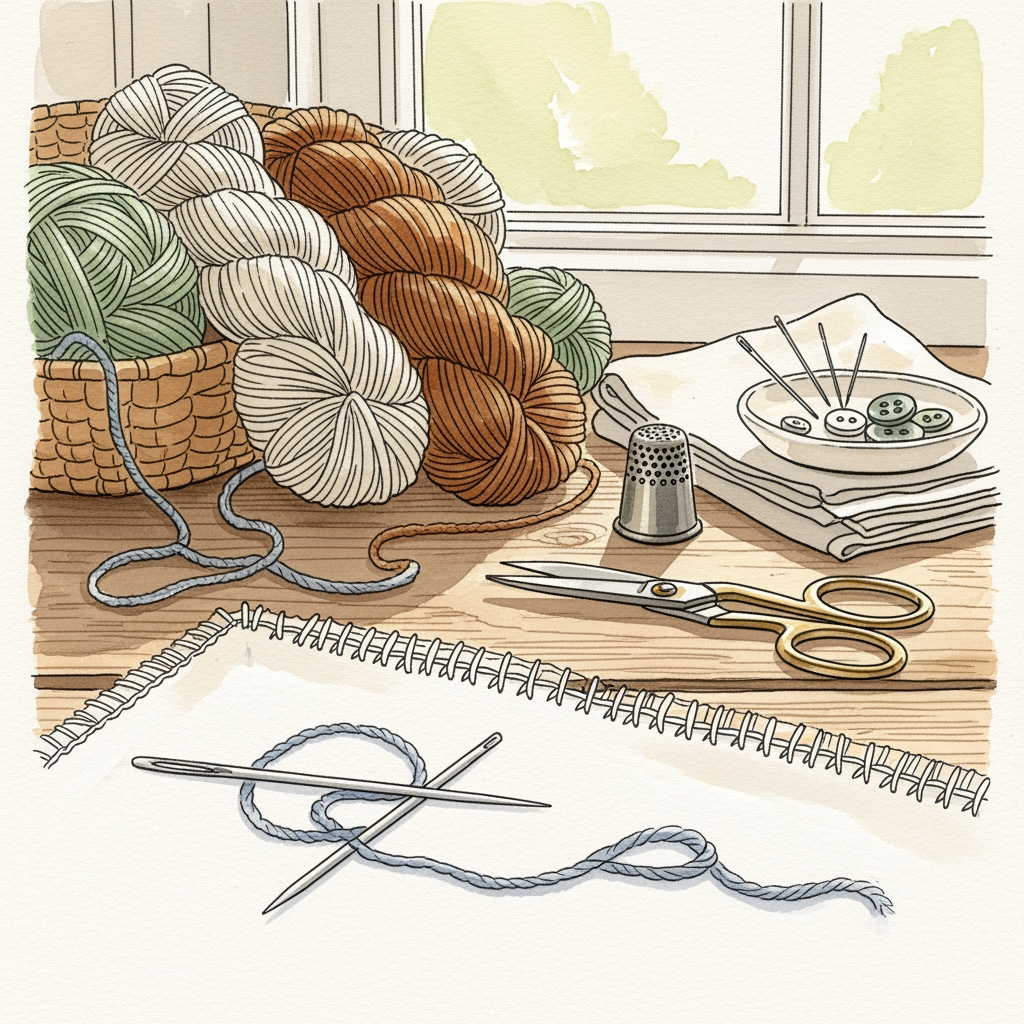
Precision adhesive pens transform how fiber artists approach delicate tasks, from securing tiny fabric applique to stabilizing embroidery on knitted garments. These tools offer a level of control that liquid bottled glues simply cannot match, preventing messy saturation that ruins the delicate drape of wool or silk. Mastering the use of these pens allows for cleaner finishing work, effectively bridging the gap between raw construction and professional-grade results. Choosing the right tool depends heavily on the fiber content, the permanence of the bond required, and the desired hand of the finished textile.
Sewline Fabric Glue Pen: Best Refillable Choice


The Sewline Glue Pen functions remarkably like a standard mechanical pencil, making it an intuitive tool for those accustomed to traditional crafting implements. Its primary advantage lies in the consistency of the adhesive application, which is thin enough to avoid creating thick, stiff ridges on the fabric surface.
Refillability stands as the hallmark of this model, providing a cost-effective solution for makers who find themselves frequently basting seams or placing intricate motifs before stitching. The glue formula is specifically designed to dry clear, ensuring that no unsightly yellowing occurs on lighter, high-sheen yarns or delicate cottons.
Consider this tool when working on precision applique for wool felt projects or securing quilt blocks. It offers enough grip to hold pieces in place for sewing, yet it dissolves completely during the first wash.

Fons & Porter Glue Pen: A Quilter’s Top Pick
Quilters often require a slightly firmer adhesive to manage multiple layers of fabric while maintaining absolute alignment during the machine-piecing process. The Fons & Porter pen provides a generous amount of adhesive, ensuring that even slippery materials remain locked in place.
This pen is an ideal choice for stabilizing complex colorwork charts or securing delicate fabric backings to knitted pieces. It acts as a reliable “third hand,” especially when precise corner alignment is required for geometric patterns or intricate garment assemblies.
Note that the adhesive in this pen has a slightly more substantial body than lighter fabric glue sticks. While excellent for heavy-duty basting, use it sparingly on lightweight, airy fibers like mohair or lace-weight alpaca to prevent any unwanted stiffness.
Aleene’s Fabric Fusion Pen: For Permanent Bonds
When the goal is a permanent union between materials—such as attaching a fabric lining to a hand-knitted bag or adding a ribbon trim to a sweater—a standard temporary adhesive will fail. Aleene’s Fabric Fusion offers a robust, permanent bond that withstands both washing and the physical stress of daily wear.
This adhesive is particularly effective on synthetic blends and cottons, where fibers are more receptive to flexible, permanent bonding agents. It maintains a degree of flexibility once dry, preventing the “cracking” effect that can occur when rigid glues are applied to stretchy knitted substrates.
Exercise caution during application, as this formula is intended to be indelible. Always perform a patch test on a hidden portion of the project to ensure the adhesive does not alter the appearance or texture of the fiber.
ZIG 2-Way Glue Pen: Most Versatile Adhesive
The ZIG 2-Way pen features a clever dual-action system that sets it apart from single-purpose tools. When applied while wet, the glue functions as a permanent adhesive, but if allowed to dry until tacky, it performs like a repositionable, pressure-sensitive bond.
This versatility is a massive asset for knitters who need to move and reposition motifs, labels, or embroidery patches multiple times before final stitching. It allows for a trial-and-error process that builds confidence, particularly for those working on heirloom-quality pieces where mistakes are costly.
The applicator tip is exceptionally fine, making it perfect for pinpoint placement. It is the gold standard for adding delicate embellishments to fine-gauge garments without worrying about glue seepage marring the surrounding stitches.
Tombow Mono Aqua Glue: Best Dual-Tip Option
Tombow’s design prioritizes utility by providing two distinct tips: a wide applicator for covering larger surface areas and a fine point for intricate detailing. This versatility makes it a powerhouse for multifaceted projects that require both bold placement and subtle edge-finishing.
The formula is acid-free, which is a critical consideration for archival-quality fiber projects intended to be passed down through generations. It applies white but dries perfectly clear, providing a clear visual cue for exactly where the adhesive has been placed before the work is finalized.
Use the fine tip for delicate tacking and the broad tip for reinforcing seams or hems on heavier fabric additions. This dual-functionality minimizes the number of tools cluttering the workspace, a benefit any organized knitter can appreciate.
Elmer’s Craft Bond Pen: Best Budget-Friendly Pick
Reliability does not always require a high price tag, and the Elmer’s Craft Bond pen serves as an accessible entry point for beginners. It provides a simple, effective hold that is sufficient for basic fabric-to-fabric bonding and temporary basting.
While it may not offer the same longevity or professional-grade chemical engineering as specialized sewing glues, its performance for light tasks is consistent. It is an excellent choice for practice projects or for hobbyists who only occasionally require an adhesive for their fiber works.
Expect a standard, water-soluble result that rinses out easily during the blocking or laundering process. It is a no-frills, dependable tool that gets the job done without over-complicating the workflow.
How to Pick a Glue Pen for Your Fabric Type
Selection begins by identifying the fiber content and the intended longevity of the bond. Natural fibers like wool and silk are more absorbent and sensitive, generally requiring light, water-soluble formulas that won’t disrupt the natural drape of the textile.
- For delicate lace: Use a thin, non-staining, water-soluble glue pen.
- For sturdy cotton or denim: A stronger, thicker adhesive is preferred for reliable bonding.
- For synthetics: Ensure the adhesive is labeled as fabric-safe to avoid chemical reactions with polyester or nylon.
Always factor in the “hand” of the fabric; anything that stiffens the fibers unnecessarily will detract from the quality of a handmade project. Prioritize formulas that dry flexible to ensure the garment remains comfortable to wear.
Applying Glue Without Seeping or Stiffening
The secret to clean adhesive work is restraint; over-application is the primary cause of stiff, crusty edges. Always apply a thin, dotted line or a series of tiny dabs rather than a continuous, heavy bead of glue.
For porous materials like wool, try to apply the glue to the non-knitted surface first, then gently press the fabric onto the knitting. This prevents the glue from sinking deep into the yarn plies, which is what causes the dreaded “hard spot” that ruins the look and feel of a delicate item.
If working with very fine yarn, use a toothpick to transfer small amounts of glue from the pen tip to the fabric. This manual control guarantees that only the necessary amount of adhesive is present, keeping the surrounding yarn clean and soft.
Temporary vs. Permanent Glue: What to Know
Distinguishing between these two categories is essential for the longevity of any fiber arts project. Temporary glue is specifically engineered to be water-soluble, serving only as a temporary substitute for pins or basting thread before final sewing.
Permanent glue, conversely, is designed to withstand the rigors of laundry cycles and friction. These adhesives often contain polymers that bond structurally with fabric fibers, making them difficult or impossible to reverse without damaging the underlying material.
- Temporary: Best for alignment, basting, and placement before sewing.
- Permanent: Best for permanent trim attachment, labels, or non-sewn decorative elements.
- Risk: Using permanent glue where temporary is needed can result in a garment that feels stiff, heavy, and potentially unusable.
How to Remove Fabric Glue From Your Projects
Most fabric-safe glue pens are designed to be water-soluble, meaning that soaking the project in lukewarm water for several minutes usually releases the adhesive. If the glue remains stubborn, a small amount of mild, wool-safe detergent added to the soak can help break down the polymers.
For permanent or particularly resistant residues, avoid heavy solvents that might strip the dye from natural fibers. Gently dabbing the area with a white cloth dampened with warm water is often enough to lift the remains of the glue without damaging the structural integrity of the yarn.
Always rinse the area thoroughly to ensure no soapy residue is left behind. Once cleaned, dry the item flat according to the care instructions for the specific fiber used to avoid stretching or distortion.
Precision glue pens are indispensable assets in a fiber artist’s kit, offering the control needed to elevate project finishing from amateur to master-level. By selecting the correct formula for the specific task and applying it with care, you ensure that every embellishment and modification serves the integrity of the work. Proper tool management ultimately protects the time and effort invested in each stitch, resulting in garments that look as clean as they are beautiful.

