7 Best Waterproof Marker Pens For Weather-Resistant Labeling
Stop worrying about fading labels. Discover the 7 best waterproof marker pens for long-lasting, weather-resistant labeling. Shop our top-rated picks today.
Nothing ruins the satisfaction of finishing a long-term project faster than a faded, illegible yarn label. Whether tracking dye lots for a sweater’s-worth of hand-dyed wool or labeling plastic bins in a humid basement, clear markings are essential. The right marker prevents the common heartbreak of losing track of fiber content or yardage years down the line. Selecting a reliable tool ensures that vital project data remains crisp, regardless of storage conditions or accidental exposure to moisture.
Sharpie Extreme: The Best All-Around Choice


The Sharpie Extreme is designed for environments where standard markers fail. Its ink formula is engineered to withstand intense UV exposure and heavy moisture, making it a reliable workhorse for tagging yarn bins or outdoor garden markers.
For those who store stash in clear plastic totes or labels that might be handled frequently, this pen resists smudging and fading over long durations. It holds up exceptionally well on non-porous surfaces like plastic bags or metal project tins.
However, consider the tip size before using it on small yarn tags. The robust felt point can be a bit broad for tiny labels, so it works best for larger inventory sheets or storage bin organization rather than precise gauge-swatch notes.
Sakura Pigma Micron: Best for Fine Details
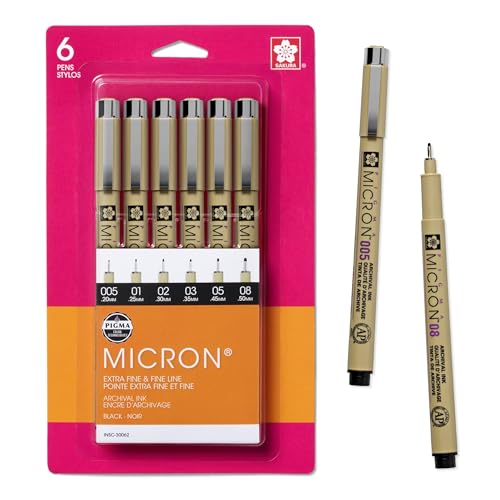
When tracking intricate details like needle sizes, WPI (wraps per inch), or specific dye lot numbers on tiny paper tags, the Sakura Pigma Micron is unmatched. These pens use archival-quality pigment ink that is chemically stable and waterproof once dry.
The precise, consistent line ensures that dense information remains legible even on small surfaces. Because the ink is absorbed deeply into paper fibers, it does not bleed or feather, which is a common issue with cheaper felt-tip pens on thin cardstock.
Note that these pens are designed for paper, not plastic. If the goal is to label a slick plastic yarn bowl or a smooth accessory case, the ink may sit on the surface and rub off before it sets completely.
Tombow Mono Drawing Pen: Top Pick for Artists
The Tombow Mono Drawing Pen offers a sophisticated balance between flow and durability. Its water-based pigment ink becomes waterproof and fade-resistant once it has fully cured, providing a professional look for custom knitwear tags or gift labels.
The nibs are firm and resilient, meaning they hold their shape even after frequent use on textured paper tags. This precision allows for neat, clear lettering that stays readable even when compressed in a project bag or drawer.
It is best suited for dry storage environments. While highly resistant to incidental contact with water, it may not stand up to the extreme conditions required for outdoor labeling or long-term damp storage as effectively as the industrial-grade options.
Copic Multiliner SP: The Premium Refillable Pick
The Copic Multiliner SP is an investment piece, built with an aluminum body and replaceable nibs and ink cartridges. For the serious maker who wants a permanent, archival tool that lasts for years, this is the gold standard.
Beyond the longevity, the ink is both waterproof and bleed-proof. It performs beautifully on almost any paper-based surface, making it an excellent choice for maintaining a permanent project journal that records every modification made to a pattern.
The higher price point is the obvious trade-off. It is not the tool to toss into a bottomless knitting bag without a protective case, but for the workstation that stays organized, it provides a level of control that disposable pens cannot match.
uni-ball Vision Elite: Best for Smooth Writing
The uni-ball Vision Elite uses a “uni-flow” system that ensures consistent, skip-free ink delivery. It is an excellent choice for knitters who prefer the feel of a liquid ink pen over the slight drag of a felt-tip marker.
Its ink is specifically formulated to be resistant to water, fading, and even fraud, meaning the writing stays put even if a project bag gets damp from a leaky water bottle. The line width is slightly bolder than a fine liner but remains crisp and professional.
Avoid using this on glossy or heavily coated plastic labels, as the liquid ink requires a moment to soak in and dry. On standard kraft-paper tags or matte cardstock, however, it writes with incredible fluidity.
Artline Garden Marker: Built for Outdoor Labels
The Artline Garden Marker is the heavy-duty specialist of the group. Specifically developed to resist the elements, it is the safest bet for labeling outdoor equipment or anything that might be subjected to extreme temperature fluctuations.
If you are labeling plant markers for naturally dyed fibers or storage containers kept in a shed, the ink’s resistance to harsh UV light is vital. The ink is dense and opaque, covering surfaces effectively in a single pass.
The trade-off is a heavy, industrial scent and a slightly wider tip. This tool is built for durability rather than calligraphy, making it a pragmatic choice for utility labeling over personal journaling.
Zebra Sarasa Mark ON: The Quick-Drying Favorite
The Zebra Sarasa Mark ON is a gel pen designed to dry in a fraction of a second. This is a game-changer for left-handed knitters or those who find themselves quickly scribbling a note on a tag before moving on to the next row.
The ink is remarkably waterproof and smear-resistant, even when highlighted or handled immediately after writing. It behaves more like a high-end ballpoint than a marker, offering a smooth, reliable experience that doesn’t bleed through common paper tags.
Because it is a gel pen, it works best on porous surfaces. If the goal is to mark on a smooth plastic needle gauge or a polished bamboo accessory, allow extra time for the ink to set to ensure it doesn’t wipe away.
How to Pick Your Perfect Waterproof Marker Pen
- Surface Texture: Choose felt tips for slick plastic or metal, and fine-line pigments for porous cardstock or paper.
- Archival Needs: If you are recording information meant to last for decades—like the yarn used in a family heirloom—opt for pigment-based inks labeled “archival.”
- Drying Speed: Consider how quickly you need to handle the tag; fast-drying gel pens are superior if you are busy working on a complex pattern repeat.
- Durability vs. Precision: Decide if the priority is extreme weather resistance or the ability to write small, clear notes in a tight space.
Testing on Fabric, Plastic, and Yarn Tags
Before relying on a marker for a long-term project, always conduct a small test on the specific material being used. Markers that perform perfectly on smooth cardstock may feather on raw wool tags or wipe clean off coated plastic.
When labeling plastic or metal, give the ink several minutes to cure, then test with a damp cloth to confirm the water resistance level. On fabric, consider that ink may spread along the fibers; a very fine tip is usually necessary to keep lettering from becoming a blurry mess as the ink wicks into the weave.
Tips for Long-Lasting, Weatherproof Labels
For labels that need to survive years in a stash bin, avoid placing them in direct sunlight, which degrades both the ink and the tag material over time. If possible, laminate paper tags with clear packing tape, as this provides a secondary barrier against moisture and wear.
When attaching tags to yarn skeins, avoid using paper clips or staples, which can rust or snag delicate fibers like silk or mohair. Use small cotton ties or archival-safe plastic fasteners to secure your weather-resistant labels to the yarn, ensuring your hard-earned project documentation stays attached and readable until the very last stitch is cast off.
Equipped with the right marking tools, you can ensure that your fiber arts documentation remains as permanent as the projects you create. Select your pen based on the surface and the environment, and take a moment to test your materials to avoid future frustration. A well-labeled stash is the hallmark of a truly organized and prepared maker.