6 Non Toxic Fabric Glues For Wearable Feather Crafts
Create stunning wearable feather crafts safely. Discover our top 6 non-toxic fabric glues for your next DIY project. Read the full guide to get started today.
Adding feathers to a hand-knitted garment transforms a simple accessory into a high-fashion statement piece. However, the delicate nature of quills and the structural movement of knitted fabric require adhesives that offer both hold and flexibility. Selecting the wrong glue can leave feathers brittle or cause the yarn to stiffen uncomfortably against the skin. These non-toxic options ensure the integrity of the fiber while keeping the project safe for wear.
Aleene’s Fabric Fusion: Best Overall Flexibility


Aleene’s Fabric Fusion is a water-based adhesive that remains remarkably supple once cured. This makes it an ideal choice for garments with significant drape, such as a silk-mohair lace shawl, where a rigid glue would crack or cause the fabric to buckle.
Because it does not dry into a hard, plastic-like shell, it moves in harmony with the yarn’s natural elasticity. It is perfect for attaching feathers to areas that experience frequent stretching, like the cuffs of a sweater or a cowl neckline.
Avoid applying too much, as the adhesive can seep through open-work stitch patterns. A light, precise touch ensures the feathers stay secure without marring the texture of the knit.
Beacon Fabri-Tac: Fastest Bonding for Quick Work

When working on complex embellishments where pinning is difficult, speed is a major asset. Beacon Fabri-Tac is a solvent-based glue that grabs instantly, allowing for the precise placement of feathers without the need for long drying times.
The quick-tack nature of this glue is beneficial when working with slippery fibers like rayon or bamboo blends, where feathers might slide out of position before a slow-setting glue could take hold. It effectively anchors the quill to the yarn without requiring excessive pressure.
While it is exceptionally fast, it leaves little room for repositioning once set. Ensure the alignment is perfect before the adhesive makes contact with the knitted surface.
Elmer’s Craft Bond: Best Budget-Friendly Option
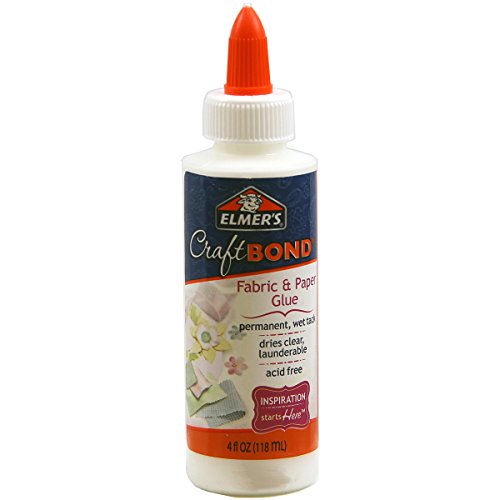
For those working on one-off projects or experimenting with feather placement for the first time, Elmer’s Craft Bond offers reliable performance without a premium price tag. It is a straightforward, non-toxic choice that dries clear, preventing any unsightly discoloration on light-colored yarns.
It works best on tighter gauges where there is a solid surface of stitches for the glue to grip. If the knitting is very loose—such as an open lace pattern—the glue may struggle to find enough surface area to create a long-term bond.
Keep in mind that it lacks the heavy-duty permanence of more industrial-grade options. It is best suited for decorative accents that will not face extreme physical stress during wear.
Tear Mender Adhesive: Top Natural Latex Choice
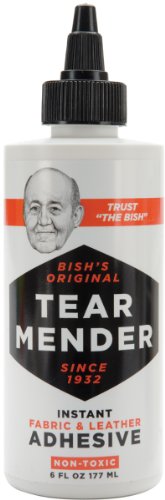
Tear Mender stands out for its unique, bio-based composition, providing a permanent bond that is both water-resistant and highly flexible. Because it is derived from natural latex, it mimics the movement of the fibers rather than acting as an external, restrictive layer.
This adhesive is particularly effective for thick, worsted-weight wools where the quill of the feather needs to nestle deep into the ply of the yarn. The glue bonds instantly and creates a bond that is actually stronger than the fabric itself.
Since it is latex-based, verify that the wearer does not have a sensitivity to natural rubber. If there are no concerns regarding allergies, this remains a top-tier choice for long-lasting, durable feather application.
Dritz Liquid Stitch: Most Trusted for Washability
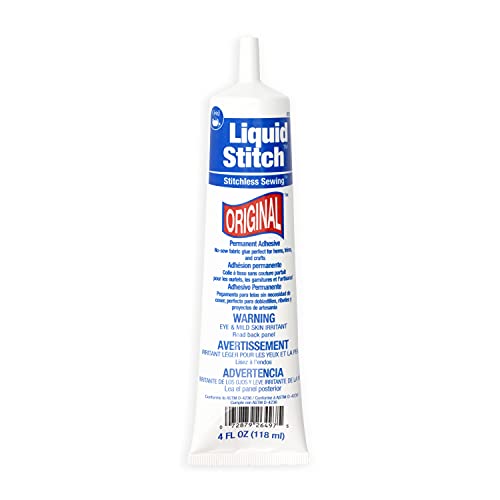
Dritz Liquid Stitch is formulated specifically to endure the rigors of the laundry cycle, making it the superior choice for garments intended for regular wear. Many adhesives degrade when exposed to water or detergents, but this formula maintains its grip through gentle hand-washing.
It works exceptionally well on superwash wools, which are common in wearable garments but can be tricky to adhere items to due to their inherent slickness. The formula is designed to penetrate slightly into the fiber structure for a more permanent mechanical lock.
For the best results, allow the adhesive to cure fully for at least 24 hours before subjecting the garment to any moisture. This ensures the bond is cross-linked and stable against water immersion.
Gorilla Fabric Glue: Unbeatable Waterproof Hold
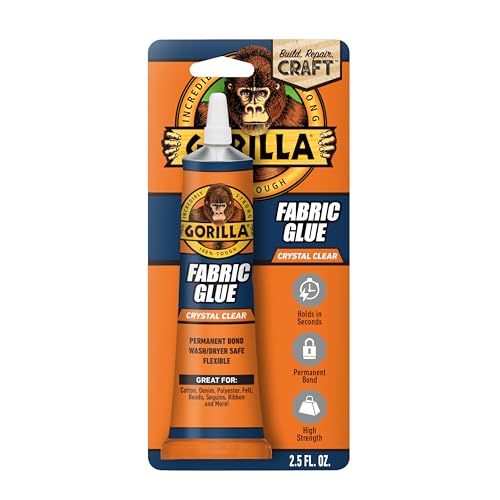
Gorilla Fabric Glue provides a heavy-duty, permanent hold that stands up to environmental elements better than most craft adhesives. If the wearable piece is a decorative hat or a shoulder piece intended for outdoor use, this product provides the necessary resistance to humidity and moisture.
The consistency is thicker than standard fabric glues, which is a major advantage when working with heavier, structural feathers. It prevents the glue from wicking too far into the knitting, keeping the fibers soft while the bond remains rigid and secure.
Given its strength, it is essential to use it sparingly to avoid a bulky finish. A little goes a long way, and over-application will compromise the natural drape of the knitted garment.
Choosing a Glue for Your Specific Fabric Type
- For Delicate Fibers (Silk, Mohair, Alpaca): Choose an adhesive with high flexibility, like Aleene’s, to prevent fiber breakage at the glue site.
- For High-Traffic Areas (Cuffs, Collars): Use a high-strength, durable option like Gorilla or Tear Mender to withstand constant friction.
- For Open Lace Patterns: Prioritize quick-setting glues like Beacon Fabri-Tac to prevent the adhesive from sagging through the holes in the stitch work.
- For Superwash or Treated Wools: Select a wash-tested formula like Dritz to ensure the chemical treatments on the yarn do not repel the adhesive.
Application Tips for Working with Delicate Feathers
The most common mistake when gluing feathers is using too much adhesive, which adds unnecessary weight and creates hard, crusty patches. Use a fine-tipped applicator or a toothpick to apply a thin, consistent bead along the quill, rather than the feather barbs.
Gently press the quill into the V-shape of a knit stitch to maximize the surface area for the glue to grab. If the quill is long, anchor it at two points to prevent the tip from snagging on other garments during movement.
Always conduct a test on a swatch of the same yarn before applying glue to the finished garment. This reveals if the glue changes the color or hand of the yarn in a way that might be undesirable.
How to Wash and Care for Your Glued Feather Art
Feather-embellished knits should generally be hand-washed in cool water with a gentle wool wash. Avoid soaking the piece for extended periods, as this can weaken the bond of even the most water-resistant glues.
Lay the garment flat to dry, ensuring the feathers are laid out in their natural direction. Avoid the dryer at all costs, as the heat will likely melt or soften the adhesive, causing the feathers to detach or shift.
If a feather does become loose, do not attempt to peel it off forcefully, as this can pull apart the stitches of the knit. Instead, use a tiny amount of fresh adhesive to re-tack the quill in place and let it cure fully.
Understanding ‘Non-Toxic’ in Fabric Adhesives
‘Non-toxic’ generally signifies that the product does not contain volatile organic compounds (VOCs) or harsh chemicals known to be hazardous when inhaled in craft-level quantities. However, this does not mean the glue is edible or safe for sensitive skin in large amounts.
Look for products that are labeled as AP-certified or conform to safety standards for children’s craft products. This ensures that the adhesive is free from heavy metals and other toxic substances that could migrate to the skin during wear.
When in doubt, prioritize products that list being water-based or solvent-free. These choices provide the healthiest environment for both the maker and the wearer without compromising on the professional-grade results needed for fine fiber arts.
Properly chosen adhesive allows for the integration of organic elements like feathers into the world of fiber arts with ease and security. By matching the glue to the specific requirements of the yarn and the intended use of the project, the result is a beautiful, durable piece of wearable art. With the right technique, these embellishments can survive both the studio and the street, elevating the craft to new levels of creativity.