7 Sewing Machine Oils For Maintenance Professionals Trust
Keep your equipment running smoothly with our guide to the 7 sewing machine oils trusted by professionals. Read our expert recommendations and lubricate today.
A sewing machine is the quiet workhorse behind every finished garment, from the crisp seams of a tailored wool coat to the delicate finish on a lace-trimmed linen top. Just as a knitter understands that the wrong needle material can turn a joyful lace project into a source of constant snagging, a sewist must recognize that proper lubrication is the difference between a smooth stitch and a jammed machine. Regular maintenance is not merely an optional chore; it is an essential ritual that ensures the internal mechanics—much like the rhythm of needles clicking in time—remain precise and tension-perfect. Understanding the nuances of machine oils will preserve your equipment for a lifetime of creative output.
Singer All Purpose Oil: The Trusted Go-To Classic
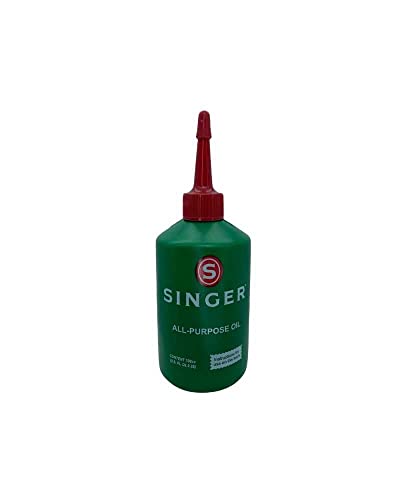

This light-viscosity oil remains a staple in sewing rooms across the globe for good reason. It provides a reliable barrier that prevents metal-on-metal friction during long sessions of piecing quilts or hemming heavy denim.
It is often the first oil a newcomer reaches for, and its consistency is ideal for most home-use machines. Because it is widely available, there is rarely an excuse to skip a maintenance cycle.
However, consider that this is a general-purpose product. While perfectly adequate for basic mechanical sewing machines, it may not provide the longevity required for high-speed, computerized embroidery units that generate significant internal heat.
Lily White Sewing Oil: Pro’s Choice for Bulk Value

Lily White oil is the industry standard for commercial environments where machines run for eight hours a day. It is highly refined, non-staining, and specifically engineered to prevent gumming, which is a major concern when a machine sits idle for a few weeks between projects.
The primary advantage here is the purity of the product. Lower-quality oils can oxidize, turning into a sticky residue that slows down the drive belt and increases drag on the motor.
For those who maintain multiple machines—perhaps a serger for finishing edges, a standard flatbed, and a vintage singer—buying in bulk is a sound strategy. It ensures that the oil is always fresh and free from contaminants.
Juki Defrix Oil No.1: For High-Speed Machines

If your sewing machine operates at thousands of stitches per minute, standard oils may break down too quickly under the resulting thermal pressure. Juki Defrix is a premium synthetic-blend oil specifically formulated to maintain its viscosity even when mechanical parts become hot.
The high-speed nature of industrial machines requires an oil that creates a microscopic, uniform film over the hook and needle bar. This prevents the microscopic pitting that occurs when metal surfaces are not perfectly lubricated.
While the price point is higher, the investment protects the high-precision internal components of advanced sewing equipment. Use this when the machine’s manual specifies a high-grade lubricant, particularly for computerized units with intricate timing mechanisms.
Zoom-Spout Oiler: Reaches Every Tight Spot

The most common mistake in machine maintenance is over-oiling because the applicator made it difficult to target the specific drop-point. The Zoom-Spout oiler features a flexible, extendable nozzle that allows for surgical precision.
This is indispensable for reaching the deep recesses of a sewing machine chassis where the main shaft meets the hook assembly. Being able to dispense exactly one drop—no more, no less—is the hallmark of a professional maintenance routine.
Excess oil is a magnet for lint and dust, which eventually creates a sludge that can clog the bobbin case. Use the extendable spout to ensure the oil hits the metal surface rather than the plastic housing or the bobbin race.
Liberty Oil Synthetic: Best for Modern Machines

Modern sewing machines are filled with plastic gears and electronic sensors that react poorly to harsh, traditional petroleum-based oils. Liberty Oil is a high-grade synthetic that is inert and safe for use on plastic, nylon, and rubber components.
Many sewists forget that their machine is a hybrid of metal and synthetic parts. Using an oil that degrades plastic can lead to brittle gears, resulting in catastrophic timing errors that require professional repair.
Synthetic oils also have a wider temperature tolerance, meaning they will not become overly viscous in a cold room or thin out in a hot, humid studio. This provides a consistent, predictable stitch formation regardless of your local environment.
Dritz Machine Oil: Accessible and Reliable Pick

Dritz is a brand that understands the hobbyist sewist, offering a formulation that balances ease of use with professional performance. It is essentially a foolproof option for those who want a reliable, easy-to-find lubricant without the complexity of selecting between synthetic blends.
The packaging is designed for the casual user, with a narrow spout that is easy to navigate into the bobbin area. It is perfectly suited for standard household sewing machines that see moderate use.
While it may not possess the high-heat tolerances of industrial-grade synthetic oils, it is more than sufficient for sewing garments, curtains, or occasional craft projects. For most sewists, this is the safest and most effective middle-ground choice.
TOWA Oil: Top Pick for Industrial Embroidery
TOWA is synonymous with precision in the embroidery world, where even the slightest tension fluctuation can ruin a complex design. Their oil is engineered to keep the rotary hook area perfectly lubricated without attracting excess debris.
Embroidery machines have very tight tolerances; an improperly lubricated hook will cause skipped stitches and broken threads. Using a high-quality oil like TOWA ensures that the machine can maintain the fast, jerky movements required for dense thread work.
If you are working with metallic threads or heavy embroidery stabilizers, ensure that your machine is tuned with this level of lubricant. It keeps the movement fluid and the tension constant throughout the entire design duration.
How and Where to Correctly Oil Your Machine
Always start by consulting your specific machine manual, as every model has unique lubrication points. Generally, the most critical areas are the needle bar and the hook assembly, where the needle and shuttle interact.
Before oiling, remove the bobbin case and use a small brush or canned air to clear away any accumulated lint. Lubricating over a layer of lint creates a grinding paste that will rapidly wear down the metal surfaces.
Apply one drop at a time, rotate the handwheel manually to distribute the oil, and then perform a test stitch on a piece of scrap fabric. Always sew on scrap fabric for a few minutes to catch any stray droplets before starting on your actual garment.
Mineral vs. Synthetic Oil: What’s the Difference?
Mineral oil is a natural petroleum product that is traditional, effective, and relatively inexpensive. However, it can occasionally turn acidic over very long periods, which may be detrimental to the delicate internal seals of some modern machines.
Synthetic oil is engineered at a molecular level to provide superior performance and stability. It will not break down, gum up, or change consistency, making it the preferred choice for expensive, computerized machines.
- Mineral Oil: Best for vintage, all-metal mechanical machines that were designed with traditional oils in mind.
- Synthetic Oil: Highly recommended for modern, plastic-heavy, or high-speed computerized equipment.
- Safety Tip: Always avoid using “household” oils like WD-40 or cooking oil; these will eventually cause permanent damage to your machine’s motor and internal components.
Signs Your Sewing Machine Desperately Needs Oil
The most obvious sign of a dry machine is a distinct change in the sound of the motor. A well-lubricated machine has a rhythmic, dull hum; a dry machine often emits a higher-pitched, strained squeak or grinding noise.
You may also notice that the machine feels sluggish, or that the stitch quality begins to deteriorate even when the tension settings appear correct. If the machine is struggling to pierce thicker layers of fabric, the internal friction may be the culprit.
Pay attention to the bobbin area during cleaning; if the parts look dull or grey rather than clean, the oil has likely evaporated or become contaminated. Consistent maintenance will prevent these issues from arising in the first place, ensuring your machine remains as reliable as your favorite set of needles.
Investing the time to properly maintain a sewing machine is the ultimate act of respect for your craft. By selecting the correct oil for your specific machine type, you ensure that the internal mechanics perform with the same grace and precision as your hands when working a complex cable pattern. Keep the oil flowing, the lint away, and the machine clean, and the equipment will support your creative vision for years to come.