6 Best Rolling Storage Units For Heavy Equipment
Organize your workspace efficiently with our top 6 rolling storage units for heavy equipment. Find the perfect durable solution for your shop and buy today.
Managing a growing fiber arts collection requires more than just good intentions and neatly wound cakes of yarn. Heavy equipment, such as floor looms, bulky knitting machines, and massive dye pots, demands a stable, mobile foundation to keep a studio functional. Without a dedicated rolling solution, the physical toll of shifting heavy tools can discourage consistent practice. Choosing the right storage unit transforms a cluttered, stagnant room into a dynamic, ergonomic workspace.
Seville Classics UltraHD: The Studio Workhorse


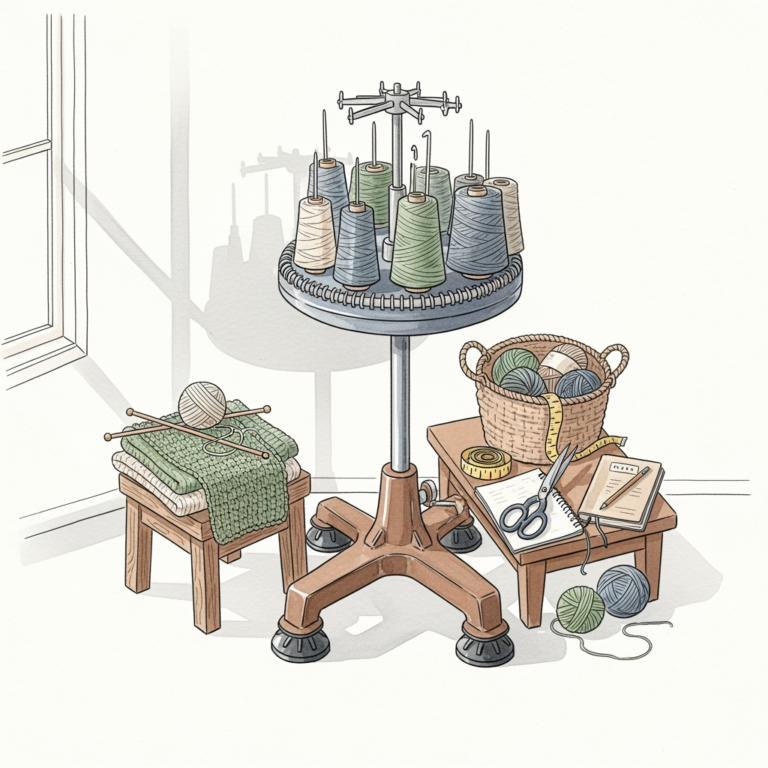
The Seville Classics UltraHD offers a level of stability rarely found in portable storage. Its powder-coated steel frame provides the necessary weight to remain rock-steady while holding dense materials like cones of industrial wool or heavy weaving shuttles.
This unit excels when holding equipment that creates vibration, such as electric ball winders or small table-top looms. The solid construction ensures that the unit does not rattle or drift during operation, allowing for consistent tension when winding yarn or setting up a warp.
Because it features a commercial-grade design, it may feel excessive for those only storing needles and light notions. However, for a dedicated maker with multiple spinning wheels or bulky equipment, the durability is unmatched. It is the definitive choice for a permanent studio setup.
TRINITY EcoStorage Rack: Best for Big Stashes
Large yarn stashes, particularly those featuring heavy, long-staple wools stored on cones or in bulk, require significant weight-bearing capacity. The TRINITY EcoStorage Rack utilizes a tiered shelf system that distributes weight efficiently, preventing the buckling common in cheaper plastic alternatives.
The open wire design is particularly beneficial for fiber storage as it allows for essential airflow. Proper ventilation helps prevent moisture buildup, which is vital when storing natural fibers that can be susceptible to mold if trapped in airtight containers.
It is important to remember that heavy weight must be distributed evenly across the shelves to maintain balance. If storing dense project bags on the top tier, keep the base weighted with the heaviest equipment to ensure the unit remains upright during movement.
Origami R5 Folding Shelf: Easiest to Assemble
The Origami R5 is designed for the knitter who frequently reconfigures their workspace based on project needs. Its folding mechanism allows for storage in a closet or behind a door when a large floor loom takes center stage, making it ideal for multipurpose rooms.
Assembly requires no tools, as the unit snaps into place in seconds. This is a significant advantage for those who struggle with complex hardware or who lack the physical strength to maneuver heavy, pre-assembled industrial furniture.
While incredibly convenient, the folding design means it may not be as rigid as a fully welded unit. It is best suited for medium-weight tools, such as knitting kits, needle sets, and smaller tubs of finished work rather than heavy industrial machinery.
Gladiator Welded Rack: Unmatched Durability
When high-impact gear like industrial steamers or heavy-duty blocking tables are part of the daily workflow, the Gladiator Welded Rack provides structural peace of mind. These units are built to withstand the rigors of a garage workshop turned fiber studio.
The welded construction eliminates the common point of failure found in bolt-together units: loose hardware. Over years of use, vibration from heavy machinery can cause bolts to vibrate out, but a welded unit remains solid and reliable for the life of the studio.
This is a premium investment for the serious hobbyist or professional fiber artist. If the primary goal is a “buy it once” storage solution that can handle decades of heavy use, the Gladiator is the superior path.
Husky 3-Tier Utility Cart: Best Mobile Caddy
The Husky 3-Tier Utility Cart serves as the ultimate mobile assistant for complex, multi-stage projects like fair isle sweaters or intarsia. It holds all necessary tools—bobbins, scissors, measuring tapes, and multiple skeins of yarn—within arm’s reach at all times.
Because this unit features high lips on each tray, it prevents small notions from rolling off during transit across a room. This is a lifesaver when moving a project from the armchair to the blocking station, keeping precious bamboo or carbon fiber needles from clattering to the floor.
The trade-off here is the smaller footprint, which limits its ability to store truly heavy items like bulky looms. It is a tool for organization and mobility, not a replacement for heavy-duty shelving.
Uline Industrial Wire Cart: The Pro’s Choice
Uline carts are the industry standard for a reason: they are engineered to be pushed, pulled, and loaded to capacity daily. For a professional dyer or studio owner, this unit offers the best ratio of weight capacity to mobility.
The wheels on these units are typically superior in quality, allowing for smooth movement even when fully loaded with wet, heavy fiber or multiple dye pots. This makes navigating a crowded studio much easier, as the unit glides rather than fights against the floor surface.
They are functional rather than aesthetic, prioritizing industrial utility over home-décor appeal. Use these if the primary goal is maximizing workflow efficiency and handling heavy materials without hesitation.
What to Look for in a Rolling Storage Unit
When selecting a rolling unit, the weight rating is the most critical metric. Always verify the maximum load capacity and subtract 20% to account for dynamic weight, which occurs when the unit is in motion.
Consider the surface material. Wire shelves provide airflow for yarn, while solid steel or wood surfaces are better for smaller items like stitch markers or delicate patterns that might slip through wire gaps.
- Height and Ergonomics: Ensure the height matches the work surface if it is intended to act as an extension of a table.
- Edge Depth: Deep lips prevent items from shifting or falling during transit.
- Accessibility: Open sides are superior for grabbing bulky project bags quickly.
Choosing Wheels: Caster Types and Weight Loads
The wheels, or casters, determine how effectively a unit moves under load. Look for polyurethane or rubber-coated casters, as these provide a smooth roll and protect studio floors from scratches.
Locking casters are non-negotiable for a fiber studio. A heavy cart that rolls while you are trying to wind a ball of yarn creates unnecessary frustration and potential safety hazards.
- Swivel Casters: Essential for tight corners and precise placement.
- Rigid Casters: Provide better tracking if the cart only moves in straight lines.
- Diameter: Larger wheels (at least 3 inches) handle rugs and uneven surfaces significantly better than small wheels.
Organizing Your Cart for Fiber Arts Projects
Strategic organization prevents the “digging” habit that leads to tangled yarn and lost notions. Use the bottom shelves for heavy, static items like yarn bulk or spare equipment, and keep the middle shelves for active project supplies.
The top tray should remain relatively clear for your current work-in-progress. This minimizes the risk of dropping tools into a project bag or catching yarn on sharp, heavy equipment stored nearby.
Use modular inserts or small bins within the trays to keep different fiber weights, such as lace-weight mohair and worsted-weight wool, separated. Keeping your tools categorized by project phase—preparation, execution, and finishing—will drastically reduce transition time between tasks.
Safety Tips for Heavy, Rolling Studio Carts
Stability is the primary safety concern with rolling storage. Always load the heaviest items on the bottom shelf to lower the center of gravity and prevent the unit from becoming top-heavy.
When moving a loaded unit, always push from the center rather than pulling from the top. Pushing allows for better control and prevents the unit from tipping over if a wheel encounters an obstruction like a rug edge or a stray knitting needle.
Finally, always double-check that the wheels are locked before beginning any task that requires pressure, such as using a knitting machine or cutting fabric. A sliding cart can lead to uneven tension or, worse, an accidental injury from falling heavy equipment.
A well-organized rolling storage unit is the silent partner in a successful knitting practice. By investing in the right equipment and organizing it thoughtfully, the studio becomes a space where creativity flourishes rather than a source of logistical stress.