6 Best Alcohol Spray Bottles For Tool Sanitization
Keep your gear clean and safe with our top 6 picks for the best alcohol spray bottles for tool sanitization. Find your perfect disinfecting solution here today.
Sanitizing knitting needles and notions is often overlooked, yet it remains a crucial step in maintaining the longevity of your high-end tool collection. Oils from hands, lingering fibers, and accumulated dust can compromise the surface of your needles, turning once-smooth points into sources of friction. A consistent sanitation routine ensures that delicate silk blends and slippery superwash wools slide effortlessly across your needles. Choosing the right delivery system for your sanitizing solution prevents equipment degradation while keeping your workspace ready for the next project.
Beautify Beauties Flairosol: Best Fine Mist


The Flairosol bottle is a masterclass in ergonomics, producing an ultra-fine, consistent mist that settles evenly without pooling. Unlike standard trigger sprayers that often drip or leave large, uneven droplets, this design ensures a light coating across the entire length of your needle.
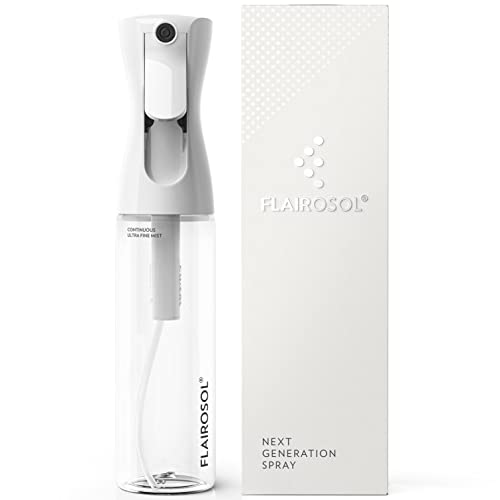
For knitters working with sensitive materials, such as vintage bone or delicate wooden circulars, this precise distribution prevents over-saturation. A light, uniform misting is all that is required to neutralize oils and bacteria.
The primary benefit here is the continuous spray function, which allows for effortless coverage of larger items like circular needle cords. It is an ideal choice for those who prefer a minimalist, high-quality aesthetic in their knitting nook.
Yaromo Multi-Pack Sprayers: Best for Studios
If you maintain an extensive library of interchangeable needles, crochet hooks, and stitch markers, managing them requires organization. The Yaromo multi-pack allows for color-coding your solutions, keeping specialized cleaners separate from general alcohol sanitizers.
These compact sprayers are perfect for distributing throughout a studio or craft room. Keeping one by your yarn swift and another near your blocked projects ensures that sanitation is never an afterthought.
While they lack the heavy-duty mechanics of larger, professional bottles, their affordability makes them excellent for bulk use. They are the standard for makers who want a dedicated sprayer for every station in the house.
Tolco Gold Standard Sprayer: Most Durable
The Tolco Gold Standard is engineered for longevity, featuring a chemical-resistant trigger mechanism that withstands repeated use with high-percentage alcohols. For those who frequently sanitize their tools after every long knitting session, this bottle resists the drying and cracking often found in cheaper plastic sprayers.
The adjustable nozzle allows for a transition from a precise stream to a wide, fine mist. This versatility is helpful when switching between spot-cleaning small notions like cable needles and wiping down long, straight bamboo needles.
Because it is built for professional salon use, it easily survives the incidental drops that happen on a busy craft table. Investing in this sprayer means purchasing a tool that will likely outlast many of the needles it is tasked to clean.
Uineko Continuous Bottle: Best for Large Batches
When you need to sanitize a large collection of vintage metal needles acquired from estate sales, speed and efficiency are paramount. The Uineko continuous sprayer provides a sustained, long-duration mist that clears grime from dozens of tools in one efficient sweep.
The pressure-based mechanism reduces hand fatigue, which is a major advantage for knitters who already spend hours repeating complex stitches. You can mist an entire tray of tools without the constant, repetitive trigger squeezing required by traditional bottles.
This bottle is a powerhouse for deep-cleaning days. It ensures that every needle in the collection receives an equal, thorough treatment without the need for manual, tool-by-tool wiping.
Giseng Mini Misters: Best for Travel Kits
Compactness is the ultimate virtue when packing a project bag for a retreat or a long-haul flight. The Giseng Mini Misters fit discreetly into any notions pouch, ensuring that you can sanitize your tools on the go without sacrificing precious cargo space.
These are particularly useful for cleaning needles when working with fibers that shed or attract significant dust, such as mohair or raw wool. Keeping your needles clean during travel prevents that distracting buildup of lint that often causes stitches to drag.
While they hold less liquid, their portability is unmatched. They are designed for the knitter who values utility without adding unnecessary weight to their travel setup.
Andis Cool Care Plus: The All-in-One Option
Andis Cool Care Plus serves a dual purpose as both a sanitizer and a lubricant for metal tools. It is an essential item for anyone frequently using metal needles or high-carbon steel shears, as it prevents rust while cleaning away surface contaminants.
The cooling effect is a helpful indicator of successful application, and it leaves behind a protective film that keeps metal surfaces slick. It is particularly effective for stainless steel needles that may feel “tacky” due to humidity or skin chemistry.
One must be cautious, however, not to use this on porous materials like wood or bamboo. It is strictly a product for metal equipment, as its lubricating properties can potentially alter the finish of natural wood tools.
Choosing Your Alcohol: Isopropyl vs. Ethanol
The debate between isopropyl and ethanol often centers on what is readily available, but the chemical properties matter for your tools. 70% Isopropyl alcohol is widely considered the gold standard for sanitization, as it evaporates at a rate that allows for thorough microbial destruction.
- Isopropyl (Rubbing Alcohol): Excellent for metal and synthetic needles. It is reliable for removing hand oils and skin cells.
- Ethanol (Grain Alcohol): Generally acceptable for most surfaces, but verify it is high-proof to ensure effective sanitization. It is often less harsh on certain plastic coatings.
Avoid using products with added fragrances, moisturizers, or dyes, as these can leave a sticky residue that attracts dirt to your needles. Always reach for plain, unscented versions to keep your knitting surface pristine and slick.
How to Safely Sanitize Your Knitting Tools
The key to sanitizing is to treat the tool, not drown it. Spray your cloth lightly and wipe the needle, rather than spraying the needle directly, to prevent liquid from seeping into joints or join-points of circular needles.
For needles with wooden tips, use the absolute minimum amount of alcohol. Excessive moisture can cause the grain to swell or the finish to become dull over time.
- Wipe down metal needles thoroughly after every project.
- Check for residue before starting a new piece to ensure the yarn moves freely.
- Allow everything to air-dry completely in a well-ventilated area before putting it back into storage cases.
Sanitizing Wood vs. Metal: What You Must Know
Metal needles are robust and handle alcohol well, but they can still be affected by harsh chemicals that cause oxidation. Always ensure the alcohol is completely wiped off, as a lingering film can sometimes interact with certain yarn dyes.
Wood and bamboo, being organic, are much more sensitive. Over-sanitizing can strip the natural oils or the protective varnish used to keep the wood smooth, eventually leading to splinters or a “grabby” texture.
If your wooden needles feel dry after frequent cleaning, a light application of a specialized wood balm or wax can restore the surface. Never use heavy-duty industrial degreasers on these delicate, natural materials.
When and Why You Should Sanitize Your Tools
Sanitize your tools whenever you transition from working with raw or particularly dusty fibers to clean, delicate yarns. A buildup of fibers from a sheep-to-shawl project can introduce dust into your next delicate lace project, potentially snagging the fine yarn.
Additionally, if you frequently knit in public spaces or share your tools, a quick wipe-down is a professional courtesy and a health precaution. Clean needles are simply a joy to use, providing the consistent slip required to maintain an even gauge throughout your knitting.
Prioritizing tool cleanliness is not about perfectionism; it is about respecting your tools and the fibers you invest in. A small amount of maintenance goes a long way in ensuring your project remains a relaxing endeavor rather than a frustrating struggle against dirty, sluggish equipment.
Selecting the right spray bottle and sanitization routine transforms tool care from a chore into a reliable part of your craft. By matching the delivery method to your specific equipment—whether metal, wood, or synthetic—you preserve the surface quality of your needles for years of comfortable knitting. Remember that a clean needle is the foundation of a smooth stitch, ensuring that your time at the needles is spent focusing on the pattern, not the friction.