6 Best Storage Cases For Crochet Hooks To Keep Organized
Keep your yarn crafts tidy with our top 6 picks for the best storage cases for crochet hooks. Discover the perfect organizational solution for your tools today.
Every crocheter eventually faces the same cluttered reality: a collection of hooks scattered across couch cushions, tucked into project bags, or buried deep within a craft drawer. Maintaining an organized inventory is not just about aesthetics; it is about ensuring the correct hook size is always within reach when the inspiration to start a new project strikes. A well-organized storage system protects delicate hook coatings and reduces the risk of misplacing specialty tools. This guide breaks down the most reliable storage solutions to help transition from chaos to a streamlined crafting workspace.
Teamoy Double Layer Organizer: Best for Large Sets


The Teamoy Double Layer Organizer is designed for those who own full sets of hooks, including those with rubberized grips. Its primary strength lies in the divided storage layers, which keep hooks separated from accessories like stitch markers, tapestry needles, and measuring tapes.
The layout features elastic loops that accommodate a wide variety of hook brands and handle thicknesses. Having everything in one place prevents the frustration of realizing a specific hook is missing halfway through a row of intricate lace.
While this case is robust, its larger footprint means it is best suited for home storage rather than throwing into a small purse. For the crocheter with a vast, growing collection, this organizer offers the most comprehensive solution for long-term inventory management.
Furls Crochet Leather Wallet: Best Premium Pick
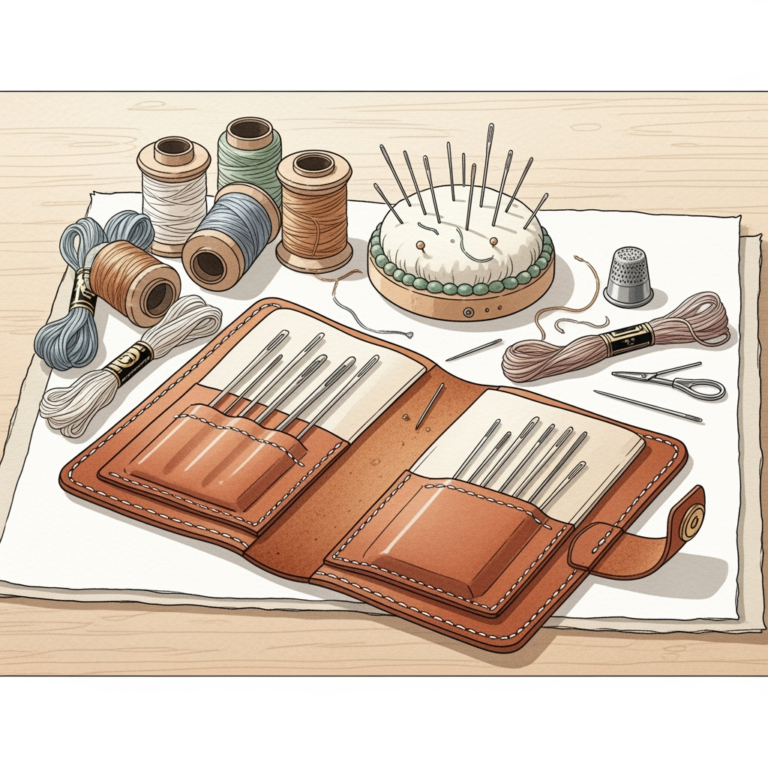
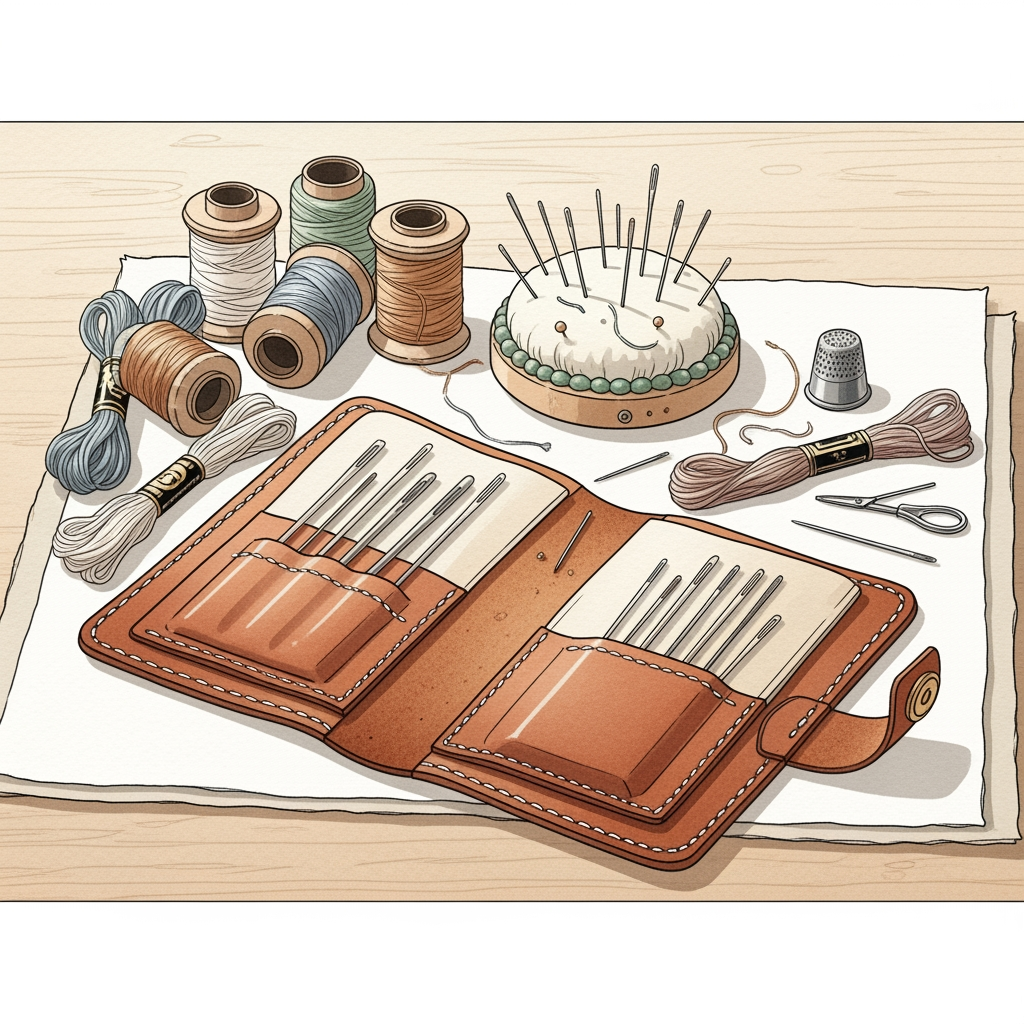
A Furls Crochet Leather Wallet is an investment in both protection and style. Crafted for the discerning maker, this wallet features individual slots that keep each hook securely in place, preventing the handle damage that often occurs when hooks rattle around in a loose bag.
The leather construction offers a level of durability and aging that synthetic materials simply cannot match. It is an ideal choice for those who favor high-end, ergonomic hooks that require extra care to prevent the finish from dulling or the thumb rest from snagging.
Because of its slim, professional profile, it fits easily into a project tote without adding unnecessary bulk. Choosing a premium wallet signals a commitment to tool maintenance, ensuring that high-quality hooks last for many years of heavy use.
Yarniss Standing Hook Case: Best for Craft Tables

The Yarniss Standing Hook Case acts as a functional desk accessory by transforming from a travel bag into a vertical stand. This design choice is brilliant for ergonomic workflows, as it allows for quick identification and selection of hook sizes without digging through layers of fabric.
When open, the hooks stand upright, making it simple to scan for the correct size during rapid color changes in a tapestry crochet project. This is particularly useful for those who keep a dedicated crafting area clear of clutter.
The stability of the base is a critical factor to check, as a top-heavy case can be prone to tipping during a busy session. For stationary makers who prefer to have all tools visible and ready, this standing configuration is the superior choice.
Damero Crochet Hook Roll: Best for Portability
The Damero Crochet Hook Roll is the gold standard for the traveling crocheter. Its simple, wrap-around design allows for a tight, secure package that fits into almost any bag, making it a favorite for those who crochet during commutes or at weekend retreats.
The roll mechanism is inherently flexible, allowing it to accommodate a varying number of hooks without feeling overly loose or bulky. It provides a tactile, secure way to transport tools, ensuring that hooks do not slip out even if the bag is tossed around.
However, keep in mind that rolls provide less protection for accessories like scissors or bulkier tools. It is best used as a dedicated hook carrier while keeping miscellaneous notions in a separate, small zippered pouch.
BeCraftee Hook Case: For Ergonomic Handle Hooks
Ergonomic hooks often feature wide, contoured handles that do not fit into the standard, narrow elastic loops found in generic pencil cases. The BeCraftee Hook Case is engineered specifically to provide wider spacing, ensuring that thick handles slide in and out without friction.
This design acknowledges the physical realities of long-term crocheting, where ergonomic support is necessary to reduce wrist strain during long hours of tensioning yarn. A case that grips these hooks too tightly can lead to the finish being stripped or the handle material becoming tacky over time.
By providing ample room, the case protects the structural integrity of the hook’s design. If the collection consists primarily of chunky, comfort-grip hooks, choosing a case tailored for width is essential to prevent damage to the handle.
Luxja Zippered Hook Pouch: Best Budget Option
The Luxja Zippered Hook Pouch offers a straightforward, no-nonsense storage solution for those just beginning their crochet journey. It is compact, lightweight, and features an internal flap that prevents hooks from colliding or slipping out when the case is opened.
While it lacks the expansive capacity of larger organizers, it is perfect for keeping a primary set of essential hook sizes organized and protected. It is an excellent choice for a secondary “go-bag” that holds only the tools needed for a current, specific project.
Budget-friendly options are often dismissed, but this pouch succeeds because it prioritizes basic functionality over unnecessary extras. It provides all the protection necessary to keep hooks clean and ready for use at a fraction of the cost of leather or multi-layered organizers.
How to Choose the Right Crochet Hook Organizer
Selecting an organizer requires an honest assessment of current and future collection size. If a maker currently owns only four or five hooks, a massive organizer will only take up unnecessary space; conversely, buying a small case for a growing set leads to future frustration.
Consider the environment where the majority of the crafting takes place. If projects are predominantly worked on the couch, a soft roll or pouch is easy to store, whereas a desk-bound maker will benefit more from a standing case that provides immediate visual access.
Finally, match the case to the tools being stored. Metallic hooks are durable, but bamboo and ergonomic resin hooks require softer linings and more generous spacing to prevent surface damage and long-term wear.
Case Styles: Rolls, Pouches, and Standing Cases
Rolls are the most portable and adaptable style, allowing the case to conform to the size of the contents. They are perfect for travel but lack the internal compartments needed for complex accessory kits.
Pouches provide the best balance of security and accessibility, especially those with internal flaps. They are ideal for medium-sized collections and offer a middle ground between the extreme portability of a roll and the desk-focused utility of a standing case.
Standing cases offer the best visibility, which is a major advantage for complex projects requiring multiple hook sizes. However, they are generally less portable and occupy a larger permanent footprint on a workspace.
Organizing Ergonomic vs. Standard Crochet Hooks
Ergonomic hooks, characterized by their wide silicone or polymer handles, require specific storage solutions that avoid tight elastic. Always check the width of the loops in a case to ensure they accommodate the widest part of the ergonomic grip.
Standard, thin metallic hooks can easily slide out of wide loops, making them prone to loss. If a collection is mixed, look for organizers with varied loop sizes or elastic that offers enough tension to hold both thick and thin hooks securely.
Regardless of the type, keep the hooks organized by size, from smallest to largest, to speed up the selection process. This simple habit drastically reduces the time spent fumbling for the correct gauge during a project.
What to Look for in a Crochet Case Layout
A high-quality crochet case layout should always include a separate, secure compartment for small notions. Without a dedicated zip-pocket, items like stitch markers, darning needles, and scissors will inevitably end up at the bottom of the case, potentially damaging the hook tips.
The material of the interior is just as important as the external shell. Soft, non-abrasive linings protect the delicate coatings of aluminum and wooden hooks, which can be prone to scratching if they rub against hard plastic or rough fabric.
Finally, prioritize the quality of the zippers and closures. A case that fails to close securely is a liability, as hooks can easily fall out and be lost in transit. Invest in a case where the closure mechanism feels substantial and designed for daily use.
Proper storage is the hallmark of a seasoned crocheter who understands that protecting tools is just as important as mastering complex stitch patterns. By choosing an organizer that aligns with the specific size and type of the tool collection, makers can ensure that every hook stays in perfect condition for years to come. Whether opting for a portable roll or a professional leather wallet, the right choice will simplify the crafting process and keep the focus where it belongs: on the yarn.