6 Best Fine Liner Markers For Detailed Logs
Elevate your artistic projects with our top 6 fine liner markers for detailed logs. Explore our expert reviews and find your perfect precision pen set today.
Maintaining a meticulous project log is just as vital as selecting the perfect yarn weight for a complex lace shawl. Accurate records of gauge, modifications, and yarn dye lots prevent future frustrations when a sweater requires a repair or a second sleeve. Quality fine liner markers provide the precision necessary to document every stitch count and pattern repeat without cluttering the page. Choosing the right tool ensures that these essential knitting archives remain legible and organized for years to come.
Sakura Pigma Micron: Best for Archival Notes
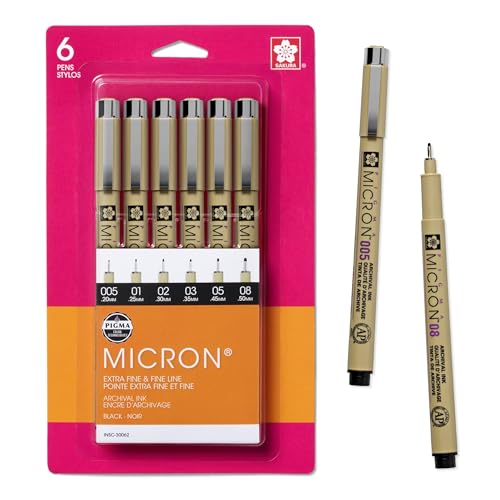

The Sakura Pigma Micron is the industry standard for a reason. Its archival-quality ink is chemically stable, waterproof, and fade-resistant, ensuring that project notes remain clear long after the yarn has aged or the project has been gifted.
For knitters who track intricate colorwork charts or complex cable abbreviations, these pens offer a consistent, skip-free line. The tip stays firm even under the pressure of drafting patterns, much like a well-tempered carbon steel needle that doesn’t bend during intense sessions.
The primary trade-off is the delicacy of the finest tips, which can fray if pressed too hard against textured notebook paper. Treat these pens with the same care reserved for fine silk or lace-weight mohair.
Staedtler Triplus Fineliner: Most Ergonomic Grip

Long days spent mapping out stitch patterns or calculating row repeats can lead to hand fatigue, much like maintaining tension for hours on a bulky project. The Staedtler Triplus Fineliner features a unique triangular barrel designed to fit naturally in the hand, reducing cramping during extended documentation sessions.
These markers offer a broad range of vibrant colors, which are excellent for color-coding different sections of a pattern. A knitter might use one color for decreases, another for increases, and a third for stitch markers or decorative elements.
Because the ink is water-based, it may bleed if the notebook page is thin or damp. Use these markers on high-quality, heavier paper to keep the charts crisp and clean.
Uni Pin Fine Line: Best for Smudge-Proof Ink
The Uni Pin Fine Line is highly prized for its “uni-super ink,” which is both waterproof and resistant to light. For a maker working in a busy craft room where tea or yarn oil might accidentally splatter, this marker provides a reliable, smudge-proof record.
The nibs are metal-clad, providing excellent stability when tracing patterns or sketching construction schematics. This structural integrity mirrors the reliability of a fixed circular needle, ensuring the tool doesn’t fail right when the project momentum peaks.
These pens are exceptionally fast-drying. They are an ideal choice for the left-handed knitter who often deals with ink smearing across the page during a quick notation of a pattern modification.
Faber-Castell Pitt Pen: Top Waterproof Option
The Faber-Castell Pitt Pen utilizes pigmented India ink, offering extreme lightfastness and a permanent, waterproof finish once dry. This is the gold standard for long-term project journals that might be taken to knit nights, travel, or workshops.
The ink flow is remarkably smooth, providing a tactile experience similar to working with a high-twist merino yarn that glides effortlessly off the needles. Because the ink is permanent, it will not dissolve or run if notes are referenced with damp hands.
However, the ink can take a moment longer to set compared to dye-based markers. Allow the ink to dry fully before turning the page to avoid unwanted transfers.
Sharpie Pen Art Pens: Best Everyday Workhorse
The Sharpie Pen Art Pen is a reliable choice for the casual project logger who needs a marker that performs consistently on standard notebook paper. It lacks the specialty archival properties of the Pigma Micron, but it makes up for this with sheer accessibility and ease of use.
These pens are less likely to bleed through typical journal paper than a standard felt-tip marker. They function effectively for writing simple notes, such as documenting the number of skeins used or the specific date a project was cast on.
Think of these as the reliable, mid-range workhorse needles of the stationery world. They may not have the luxury finish of specialized tools, but they will never let a project go undocumented.
Copic Multiliner SP: Best Refillable Splurge
The Copic Multiliner SP is an investment piece for the dedicated knit designer or the obsessive record-keeper. Its aluminum body feels substantial in the hand, and the ability to replace both the nibs and the ink cartridges makes it a sustainable choice for long-term use.
For the knitter who values high-quality, long-lasting tools—much like a set of interchangeable needles that lasts a lifetime—this pen is a worthy addition to the kit. The ink is waterproof and archival, offering the same level of permanence as top-tier synthetic dyes.
Keep in mind that the initial cost is significant. Only upgrade to this level if you are committed to maintaining a lifelong archive of your fiber arts journey.
How to Choose the Right Nib Size for Your Log
Selecting a nib size is similar to choosing the right needle diameter for a specific yarn weight. A 0.05mm or 0.1mm nib is perfect for writing tiny marginalia or drafting intricate lace charts where space is at a premium.
If you are filling out a large, spreadsheet-style project tracker, a 0.3mm or 0.5mm nib provides the necessary boldness to make headers stand out. Use smaller nibs for detail and larger nibs for structure.
- 0.05mm–0.1mm: Best for fine details, small grid charts, and tiny shorthand notes.
- 0.2mm–0.3mm: The sweet spot for general pattern writing and row-by-row instructions.
- 0.5mm+: Ideal for labels, headers, and quick project summaries.
Pigment vs. Dye Ink: Which Is Best for Notes?
Pigment-based inks consist of tiny solid particles suspended in a medium, while dye-based inks are fully dissolved. For knitting logs, pigment ink is generally superior because it sits on top of the paper fibers rather than soaking deep into them.
Pigment inks provide better resistance to fading and water, which protects your records from the occasional spilled beverage or prolonged sunlight exposure. Dye inks are often more vibrant and come in a wider array of colors, but they are more likely to bleed or wash out if a page gets damp.
When choosing, prioritize pigment ink for the permanent project history. Save the dye-based inks for color-coded highlights or temporary notes.
Preventing Smudges and Bleed-Through on Paper
The quality of the paper is just as influential as the quality of the marker. If the notebook paper is too thin or porous—similar to how low-twist wool can fray—it will cause the ink to spread and bleed through to the other side.
Look for smooth, fountain-pen-friendly paper with a higher GSM (grams per square meter) rating. This prevents the ink from “feathering” at the edges of the lines.
Always test a small patch of ink on the back page of your journal before committing to a design. If the ink looks shaky or feathered, the paper is likely too absorbent for that specific pen tip.
Fine Liner FAQs: Waterproofing and Fading
- Are all fine liners waterproof? No. Always check for “waterproof” or “archival” on the packaging. Dye-based inks will smear instantly when exposed to moisture.
- Do these pens fade? Yes, if they contain dye-based ink. Pigmented inks, like those in the Pigma or Copic lines, are designed to remain color-true for years.
- How do I store them? Store fine liners horizontally whenever possible. This prevents the ink from pooling at the tip or drying out at the base of the reservoir.
Keeping a clear, detailed log is the hallmark of an advanced maker who understands that the process is just as important as the finished product. Investing in the right markers turns the chore of documentation into a satisfying part of the creative rhythm. Choose the tool that best fits your journaling style, and your future self will certainly appreciate the clarity.