7 Best Transfer Carbons For Pattern Placement
Discover the 7 best transfer carbons for pattern placement to achieve precise results in your projects. Choose the perfect tool for your crafts and buy today.
Precise pattern placement is the secret bridge between an ambitious design concept and a finished heirloom garment. Whether mapping out complex embroidery motifs on a hand-knit sweater or marking cut lines for custom linings, the right transfer carbon saves hours of frustration. Relying on makeshift methods often leads to smudged lines, damaged fibers, or permanent stains that ruin premium yarn. Selecting the proper transfer tool ensures the guide remains visible throughout the project while vanishing completely when the work is complete.
Saral Transfer Paper: Best Wax-Free Overall


Saral is the industry standard for a reason, primarily because it is entirely wax-free. This characteristic is vital when working with delicate animal fibers like mohair or high-twist merino, as wax can leave a residue that resists dye or alters the hand of the fabric.
Because it is graphite-based, the lines remain sharp and do not bleed when exposed to steam or subsequent blocking treatments. For those who enjoy adding intricate colorwork charts or structural markings to their knitted canvases, this provides a reliable, non-greasy guide.
The tradeoff is that it requires a bit more pressure to produce a visible line compared to heavier, wax-laden papers. If the fiber is particularly fuzzy or thick, press firmly to ensure the pigment reaches the base of the stitch.
Dritz Tracing Paper: An All-Purpose Classic
Dritz is a staple in sewing boxes everywhere, functioning as the reliable workhorse for those who switch between knitting and garment construction. It offers a consistent, medium-weight transfer that works well on cotton-based fabrics used for internal facings or pocket bags.
It is particularly effective for high-contrast markings. If the base fabric is a light-colored linen or cotton, using a dark Dritz carbon ensures the guide is visible even under dim lighting conditions during late-night knitting sessions.
Be mindful that this paper contains a small amount of wax, which can occasionally transfer if the iron is too hot during final assembly. Use a light hand when tracing to avoid deep impressions that might be difficult to remove later.
Clover Chacopy Paper: Best for Delicate Fabrics

Clover Chacopy is designed for precision, featuring a unique formula that releases pigment easily with minimal downward pressure. This is a significant advantage when marking light, airy lace shawls or silk-blend fabrics where pushing too hard could distort the knit structure.
The lines produced by this paper are exceptionally clean and narrow. For knitters who draft their own charts and need to map out exact stitch placements on fine-gauge fabric, the granularity of the line is unmatched.
It is worth noting that the sheet size is smaller than standard drafting paper. This makes it ideal for specific motif placement rather than large-scale pattern drafting, but it might require maneuvering for larger projects.
Sublime Stitching Carbon Paper: Top for Embroidery

Sublime Stitching focuses on the needs of textile artists who prioritize bold, clear lines that resist fading during the intensive handling of embroidery hoops. For the knitter adding surface embellishment to a completed wool garment, this paper provides excellent visibility.
The pigments are formulated to be highly transferrable to wool and synthetic blends alike. It holds up well even when the fabric is being manipulated, stretched, and turned while navigating a needle through tight, stranded colorwork or thick cables.
Always test a small swatch of the project yarn before applying the full design. While the pigment is high-quality, dense fibers can sometimes hold onto excess carbon more aggressively than smooth, woven textiles.
Prym Dressmaker’s Carbon: A Pro-Grade Favorite
Prym products are engineered for the rigors of professional dressmaking and tailoring, and their carbon paper is no exception. It is durable, reusable, and produces a very stable line that remains intact even after extended periods of time in the project bag.
This longevity is beneficial for long-term projects like a complex, multi-month cable knit sweater. If the markings need to survive multiple fittings and transitions between the needles and the workstation, Prym is the most resilient choice.
Because it is designed for heavy-duty use, the pigment can be quite intense. Start with the lightest pressure possible to achieve a visible line; it is much easier to darken a faint line than to remove an overly saturated one from fine wool.
Caydo 100-Piece Set: Best Bulk Budget Option
For the maker who keeps a large inventory of project supplies and frequently works on multiple garments, the Caydo set offers immense value. Having 100 sheets means there is no hesitation in using a fresh sheet for every new pattern placement, ensuring maximum clarity.
The quality is sufficient for general marking needs, though it lacks the sophisticated, smudge-resistant formulas of higher-end brands. It serves as an excellent “everyday” paper for quick drafts or mock-ups where precision is secondary to speed.
Since the sheets are thinner than premium options, they can tear if handled roughly. Use these for straightforward tasks and keep the specialized brands for delicate, high-stakes final assemblies.
Burda Tracing Paper: Ideal for Garment Sewing
Burda is synonymous with pattern drafting and garment construction, and their tracing paper is optimized for transferring precise seam lines and dart locations. When a knitted sweater requires a structural lining or a custom-fit interfacing, this is the paper to reach for.
The lines are specifically calibrated to be thin and exacting, reflecting the precision required in traditional tailoring. It is the best companion for transferring complex schematics onto backing fabric for modular knitting projects.
The paper is slightly stiffer than others, which helps it stay in place during the transfer process without slipping. Use masking tape or drafting dots to secure the edges to the fabric to maintain alignment during the tracing process.
How to Choose the Right Carbon Paper Color
Selecting the correct color is as vital as choosing the correct needle size for your gauge. The goal is maximum contrast against the background material, but you must prioritize colors that won’t bleed or leave a permanent ghosting effect.
- White or Yellow: These are essential for dark-colored fabrics or deep-toned wools where standard black graphite would be invisible.
- Blue or Red: Use these for light-colored fabrics, but perform a test on a swatch first to ensure the pigment is fully removable.
- Black/Graphite: The safest choice for light-to-medium fabrics, provided it is wax-free to protect the fiber’s integrity.
Never use a color that is too close to the fabric’s shade, as you will likely end up over-applying pressure trying to see the line. If you are struggling to see a guide, consider using a high-contrast color and adjusting the lighting in the workspace.
Tips for Getting a Crisp, Clean Transfer Line
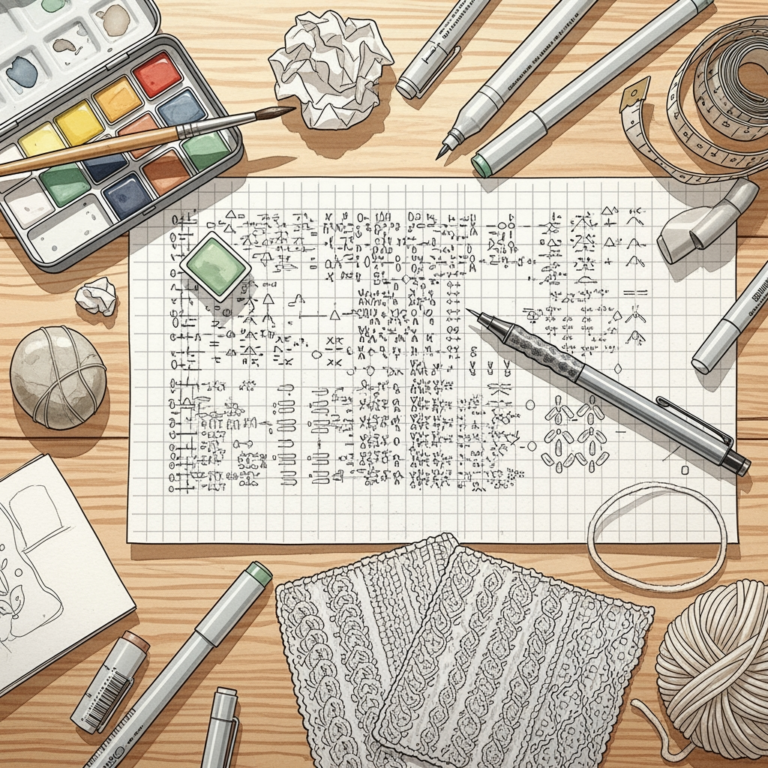
Getting a crisp line starts with the surface beneath the fabric. Always place your work on a hard, flat, non-porous surface like a cutting mat or a tabletop; working on a carpet or a soft surface will result in blurry, illegible lines.
Use a dull stylus or an empty ballpoint pen to trace your pattern. A sharp point risks puncturing the paper and damaging the fiber below, while a blunt tool provides the steady, consistent pressure needed for an even transfer.
If you are working with textured or hand-knitted fabric, consider placing a piece of smooth parchment paper over the fabric before layering the carbon paper. This provides a flat substrate that prevents the carbon from settling into the valleys between stitches.
Removing Transfer Marks from Your Final Project
The removal process begins with the product choice. Wax-free papers can typically be removed with a simple rub of a rubber eraser or, in some cases, a light steam from an iron.
For wax-based papers, a gentle touch with a cool iron or a specialized fabric eraser is often sufficient. If the project is made of delicate wool that cannot handle heavy steam, use a soft, dry toothbrush to gently agitate the marked area to loosen the pigment.
Always remove the marks as soon as the guide is no longer needed. Pigment left on fabric for weeks or months can settle into the fibers, making removal significantly more difficult than if it had been cleaned off immediately.
Selecting the right transfer tool is an investment in the professionalism and longevity of your knitting projects. By prioritizing the fiber requirements of your yarn and the technical needs of your patterns, you can ensure that your guides remain crisp during the creative process and disappear cleanly when the final bind-off is complete. Choose your carbon paper with the same care you apply to selecting your needles, and the result will speak for itself in every finished piece.