6 Best Felt Storage Boxes For Wool Roving
Keep your craft room organized with our top 6 picks for felt storage boxes for wool roving. Shop our curated list to find the perfect storage solution today.
Wool roving is a delicate investment that demands thoughtful storage to maintain its loft, softness, and structural integrity. Whether working with raw fleece or commercially processed tops, the environment in which fiber rests dictates how easily it spins or felts later. Proper containment prevents the dreaded matting of fibers and shields precious supplies from environmental stressors. Choosing the right storage solution is as essential to the craft as selecting the correct needle size for a specific yarn weight.
Feltra Home Large Bin: Best for Big Stashes
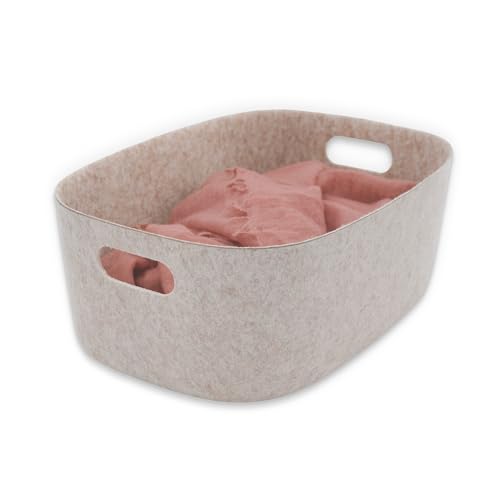

When a fiber stash grows to include multiple breeds—from bouncy Corriedale to lofty Merino—volume becomes a logistical challenge. The Feltra Home Large Bin offers the cubic capacity required to store significant quantities of roving without compressing the fibers.
Compressed wool loses its air pockets, which are vital for maintaining the fiber’s natural elasticity and ease of drafting. This bin provides a spacious, upright environment that allows the wool to “breathe” while keeping it neatly contained. It is an excellent choice for those who buy fiber in bulk to ensure consistency across large sweaters or blankets.
Because these bins are substantial, they are best suited for closet shelves or dedicated craft room corners. Avoid overstuffing the bin, as the goal is to keep the fiber loose and ready for the spinning wheel. Opt for this bin if volume management is the primary goal for long-term fiber health.
mDesign Stackable Felt Box: Best Space Saver

Storage space is often at a premium in small apartments or shared living areas. The mDesign Stackable Felt Box utilizes vertical space efficiently, allowing for categorized storage that doesn’t consume an entire craft room.
Stackability is a key feature for organized fiber stash management. By keeping fibers in distinct, stackable units, different types of roving—like silk blends versus pure wool—remain separated and accessible. This structure prevents the accidental blending of fibers that have different micron counts or staple lengths.
Consider the weight of the wool when stacking multiple units, as soft felt sides may lose their rigidity if burdened with heavy, dense fibers. Use these for lighter projects or individual colorways. These boxes are the ideal choice for those who need to maintain an organized, modular system in a compact environment.
The Container Store Felt Bin: Most Versatile

Flexibility in storage is crucial for the knitter or spinner whose projects frequently shift from thin lace-weight fibers to thick, bulky rovings. The Container Store Felt Bin stands out for its structural adaptability and clean, minimalist aesthetic.
These bins bridge the gap between heavy-duty storage and display-worthy organization. Their shape is firm enough to hold its own weight but soft enough to tuck into various shelf depths. They excel in environments where the stash might move between the living room and a dedicated craft nook.
Because they lack internal dividers, they are best suited for holding large braids or individual bags of roving. For the crafter who values a simple, adaptable solution that fits any room decor, these bins offer reliability. Select this option if versatility and aesthetic longevity are the guiding priorities.
WoolyNest Cedar-Lined Box: Best Moth Protection
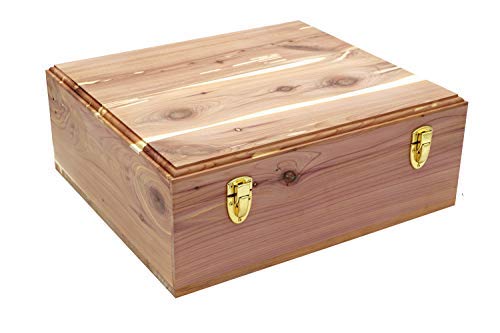
Protection against pests is the most critical aspect of long-term wool storage. The WoolyNest Cedar-Lined Box addresses the reality that wool is an organic material attractive to silverfish and moths.
Cedar provides a natural, aromatic deterrent that protects the integrity of the fibers without the use of harsh chemicals. While no container is entirely foolproof against a determined infestation, the natural oils in cedar are a time-tested barrier. For high-value fibers like angora, cashmere, or luxury hand-dyed wool, this layer of protection is worth the investment.
Remember to lightly sand the cedar periodically to refresh the scent and maintain its effectiveness. Keep the lid sealed tightly when not actively retrieving fiber. If storing rare or expensive fibers, the added security of cedar lining is a non-negotiable safeguard.
iDesign Quinn Divided Box: For Organizing Colors
Managing color palettes is essential for projects involving stranded colorwork or gradient gradients. The iDesign Quinn Divided Box features built-in partitions that prevent individual roving colorways from tangling or migrating into one another.
Dividers are a boon for the fiber artist who keeps small quantities of many different shades on hand. By keeping fibers sorted by hue, the process of auditioning colors for a new design becomes significantly faster and more intuitive. It eliminates the need to dig through a single large bin to find that one specific shade of teal needed for a project.
These boxes work best for smaller quantities of fiber, such as mini-braids or sample packets. Because the dividers create specific zones, they force a more disciplined approach to stash organization. Choose this box if color coordination and immediate accessibility are the top priorities for your creative workflow.
Sorbus Foldable Felt Baskets: Best Budget Set
For those just beginning to build a fiber collection, the costs of spinning or knitting equipment can quickly mount. The Sorbus Foldable Felt Baskets offer a practical, budget-friendly way to organize a growing stash without breaking the bank.
These baskets are highly functional for temporary storage or for organizing current works-in-progress. They fold flat when not in use, making them perfect for those who rotate their storage needs based on current knitting or spinning cycles. Their flexibility is a major advantage for small-scale operations.
While they may not offer the structural rigidity of a premium wool-blended bin, they provide the necessary airflow for roving. They allow for easy grouping of fiber types by weight or project requirement. They are the clear winner for the crafter who needs multiple, affordable storage solutions to keep a diverse stash tidy.
Why Felt Is Ideal for Storing Wool Roving
Felt is a superior material for fiber storage because it is inherently breathable yet durable. Unlike plastic bins, which can trap moisture and create a breeding ground for mildew, felt allows for minimal air exchange. This prevents the fibers from becoming “stuffy” or developing an off-putting odor over time.
Additionally, felt provides a soft, non-abrasive surface that protects delicate wool from mechanical damage. When fiber brushes against hard plastic or rough wooden corners, it can snag or develop static, which makes it harder to draft during the spinning process. The soft nature of felt keeps the fiber clean and preserves its natural loft.
Ultimately, the goal is to store wool in a material that mimics its own properties. By choosing felt, you ensure that the storage environment is as gentle on the wool as the spinning process itself.
Keeping Your Wool Roving Safe From Pests
The primary rule of fiber storage is to ensure that all wool is clean and dry before it goes into the box. Pests are attracted to residual lanolin, skin oils, or food particles left on the fiber after handling. Always wash your hands before organizing your stash, and consider storing your roving in airtight bags inside the felt bins if you live in a high-risk area.
Routine inspection is the best defense against infestation. Every few months, pull out your fiber, inspect it for holes or tiny webs, and shake it out. Store your bins in cool, dark, and dry locations, as pests thrive in the warm, humid conditions often found in basements or near heat sources.
How to Choose the Right Size Storage Box
The size of your storage box should reflect your typical project volume and the amount of fiber you keep on hand. If you predominantly knit lace shawls, you require smaller containers that prevent your roving from becoming lost in large, cavernous bins. If you spin for sweaters, look for larger, deeper boxes that can hold multiple braids or chunks of roving without crushing them.
Consider the height of your shelves; boxes that are too tall for the space will eventually be relegated to the floor, where they are more likely to gather dust. Measure the space exactly and allow for an inch of clearance so you can pull the bin out smoothly. A well-sized bin is one that keeps your stash accessible, not just hidden away.
Can I Store Different Types of Fiber Together?
Storing different types of fiber in the same bin is generally acceptable, provided they are physically separated. Mixing fibers like Merino, Corriedale, and silk is fine, but they should be kept in individual plastic bags or separate inner compartments to prevent “fiber migration.” Small, flyaway fibers from one braid can easily cling to the scales of another, which may cause unwanted texture or tangling when you go to spin.
Grouping by fiber characteristic—such as staple length or silk content—is a professional habit. Keep your superwash fibers away from untreated fibers if possible, as their surface textures react differently to humidity. Organized separation ensures that your fiber stays pristine and ready for the exact project you have in mind.
Properly stored fiber is the foundation of every successful knitting or spinning project. By matching your storage solution to your stash size and pest-prevention needs, you ensure your roving remains in perfect condition for years to come. Invest in the right bins today to spend less time managing your stash and more time at the wheel or with your needles.