6 Best Blocking Solutions For Alpaca Fiber Accessories
Restore the shape of your handmade knits with these 6 best blocking solutions for alpaca fiber accessories. Learn the most effective techniques and shop now.
Alpaca fiber is celebrated for its incredible warmth, lightweight drape, and luxurious softness, but its unique structural properties demand careful handling post-knitting. Because alpaca lacks the “memory” of wool, it can easily sag or distort if left unblocked or blocked incorrectly. Proper finishing is the bridge between a handmade-looking project and a professional-grade garment. By utilizing the right tools, the structural integrity of your stitches is preserved while the fabric achieves its intended dimensions.
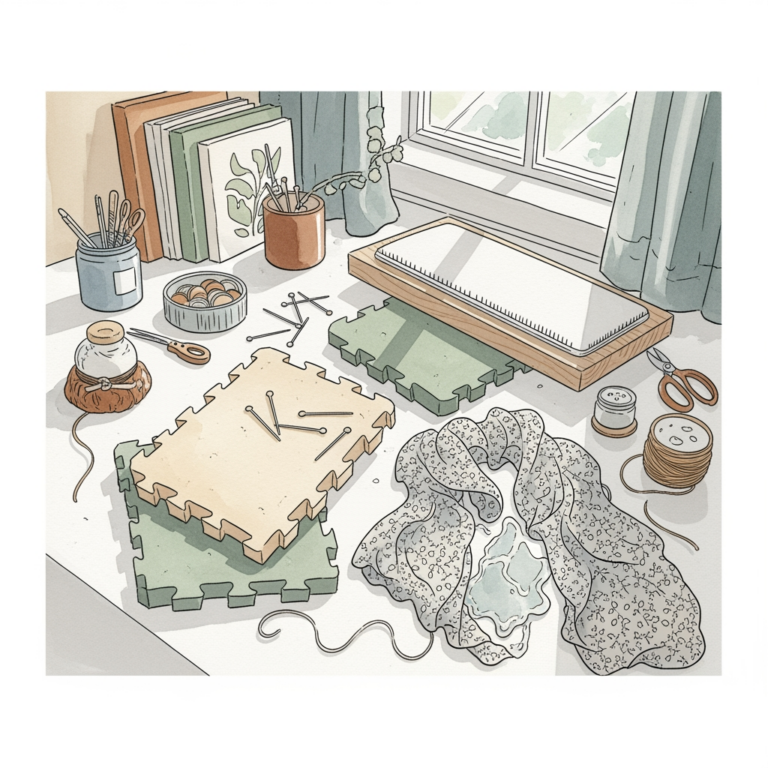
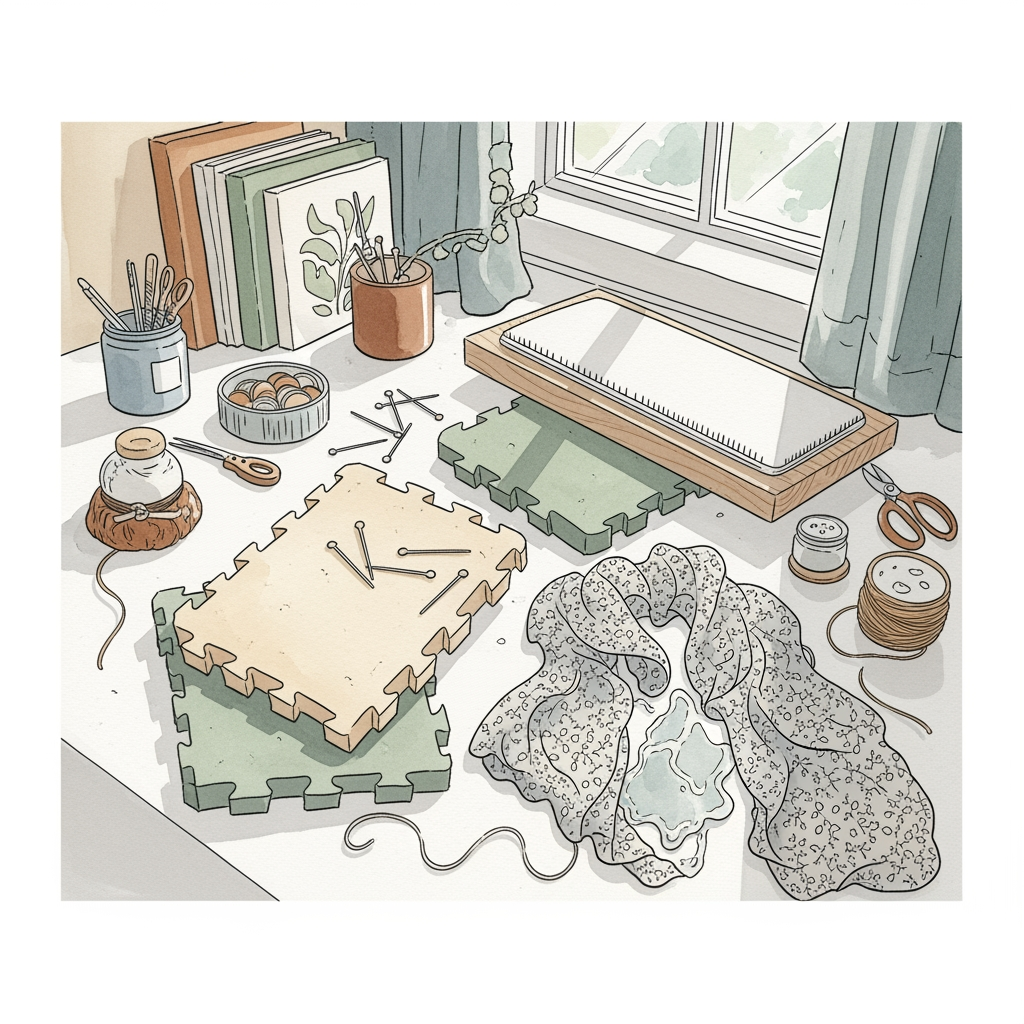
Knitter’s Pride Blocking Mats: Best for Versatility


These modular foam tiles provide a stable, heat-resistant surface that can be rearranged to fit any project shape, from rectangular shawls to circular doilies. The grid markings printed on the surface are invaluable for ensuring symmetry, especially when working on lace patterns where precise geometry determines the final look.
Because alpaca tends to grow when wet, having a surface that allows for flexible pinning is essential. These mats interlock securely, preventing the edges from shifting while the garment dries. They are lightweight enough to be moved easily but dense enough to hold pins at varying angles.
The main tradeoff here is storage space, as these mats require a dedicated spot once assembled. However, for those who regularly alternate between scarves and sweaters, the ability to build a custom-sized “worktable” on any flat floor is worth the investment.
Eucalan No-Rinse Wool Wash: The Best Gentle Soak

Alpaca fiber is sensitive to harsh detergents that can strip away its natural luster or, worse, lead to unwanted felting. Eucalan is formulated to be pH neutral and contains essential oils like lanolin, which conditions the fiber and helps keep it soft and supple.
The “no-rinse” aspect is a significant advantage for delicate alpaca knits, as it reduces the amount of handling required. The less the wet garment is moved or squeezed, the lower the risk of accidentally matting the delicate fibers. It provides a clean finish without leaving behind residue that might attract dust or moths.
When using this, always ensure the water is room temperature, as sudden changes in temperature can shock the fiber. Dissolve the wash completely before adding the garment to avoid concentrated spots. It is a foolproof way to ensure the item stays fresh without the agitation of a traditional wash cycle.
Lazadas Blocking Wires: For Perfect Straight Edges

Blocking wires are arguably the most effective tool for creating clean, crisp edges on lace shawls or structured stoles. By threading a flexible wire through the edge of the knitting, you achieve a uniform tension that simple pin-points cannot replicate.
For alpaca, which is prone to sagging, the even distribution of tension across the wire prevents “scalloping” or puckering along the border. These wires allow the maker to apply steady pressure, which helps the alpaca fiber settle into a professional, flat silhouette.
They require a bit of practice to handle, especially with fine-gauge alpaca that might snag, so always proceed slowly when threading. Once the wire is in place, only a few pins are needed to secure the shape, making the overall process much faster and more accurate than pinning by hand alone.
Knit Blockers & Pin Kit: Best for Faster Pinning
Knit blockers feature multiple pins attached to a single sturdy bar, drastically reducing the time spent securing long, straight edges. When you are blocking a large alpaca wrap, this tool allows you to anchor a wide section of fabric in one motion.
This method is superior to individual pins for maintaining consistent tension across a garment’s hem or neckline. Because they are wider and flatter, they provide more surface area contact with the blocking mat, ensuring the knit doesn’t “flip” or curl at the edges.
While highly efficient, these are best suited for straight or gently curved lines. For highly intricate, lace-heavy shaping, a combination of individual pins and blockers is usually necessary to capture every picot and corner.
Conair Handheld Steamer: For Delicate Steam Blocking

Steam blocking is a highly effective way to open up the stitches of an alpaca garment without fully soaking the item. A handheld steamer provides a controlled burst of moisture, which relaxes the alpaca fibers and encourages them to lay flat without the heavy saturation that can lead to permanent stretching.
This is an excellent option for finished garments that need a minor shape correction or for refreshing a piece that has been stored for a long time. Because alpaca has a tendency to bloom—where the fibers expand and soften—steam acts as a quick way to achieve that signature halo effect.
Always hold the steamer a few inches away from the fiber; never press the hot plate directly against the knitted fabric. If the material is scorched or over-steamed, the alpaca can lose its loft and become lifeless. Use a light hand, and let the piece cool completely before handling it.
Clover T-Pins: The Rust-Proof Must-Have Essential

Rust-proof stainless steel T-pins are the fundamental building block of any blocking kit. When working with a luxury fiber like alpaca, the last thing you want is a cheap pin that oxidizes and leaves permanent orange stains on your light-colored yarn.

The “T” shape makes these pins exceptionally easy to handle, even for those with limited dexterity. They provide a firm grip in the blocking mats and are sturdy enough to resist bending under the tension of a large, heavy alpaca sweater.
When pinning, remember to point the pins outward, away from the edge of the knit. This technique puts the tension on the wire or the stitch itself rather than pulling the fabric inward, which creates a cleaner edge. A box of high-quality T-pins will last a lifetime if kept dry.
Why Blocking Alpaca Is a Non-Negotiable Step
Alpaca fiber is notoriously “lazy” in its memory, meaning it does not snap back to its original shape as readily as sheep’s wool. Without blocking, a project straight off the needles often looks uneven, with tight stitches huddled together and a general lack of drape.
Blocking is the process that allows the stitches to align, the tension to equalize, and the fiber to reach its full potential. For alpaca, blocking is also the moment the fiber “blooms,” revealing the true softness and the characteristic light halo that defines the material.
If you skip this step, the garment will never sit correctly on the body. It will appear dense, potentially lopsided, and the overall stitch definition will remain hidden. Proper finishing is the difference between a project that feels like a prototype and one that feels like a heirloom.
Wet vs. Steam Blocking: Which Is Right for Alpaca?
Wet blocking involves fully submerging the item in water and washing, which is ideal for “setting” a brand-new project. It allows the fibers to fully relax and reorganize, making it the best choice for major shaping or correcting uneven gauge across a full sweater.
Steam blocking is more of a light touch, perfect for minor touch-ups or fibers that are particularly prone to extreme stretching when wet. Because alpaca can be quite heavy when saturated, steam is often safer for delicate, open-work items that might lose their structure if handled too much while damp.
Consider the weight of your project when choosing a method. A thick, cabled alpaca cardigan often benefits from the thoroughness of a wet block, whereas a delicate, fingering-weight lace shawl may thrive under the gentle influence of steam.
How to Avoid Stretching or Felting Your Alpaca
Alpaca is a protein fiber and, like all wools, it can felt if subjected to the wrong combination of heat, moisture, and agitation. To avoid this, never wring or twist your alpaca pieces; instead, roll them in a clean, absorbent towel and press firmly to extract excess water.
To prevent over-stretching, always support the weight of the garment when moving it from the sink to the blocking mat. Alpaca can be deceptively heavy when wet, and letting it hang freely while saturated will inevitably lead to sagging that is difficult to reverse.
Always block on a flat surface rather than hanging the item to dry. Gravity is the enemy of a wet alpaca garment, and vertical drying will cause it to elongate, potentially ruining the hard work put into the fit.
Pinning Techniques for Perfect Shapes Every Time
Start pinning from the center of the garment and work outward toward the edges. This ensures that any excess ease is distributed evenly across the piece rather than being pushed into one corner.
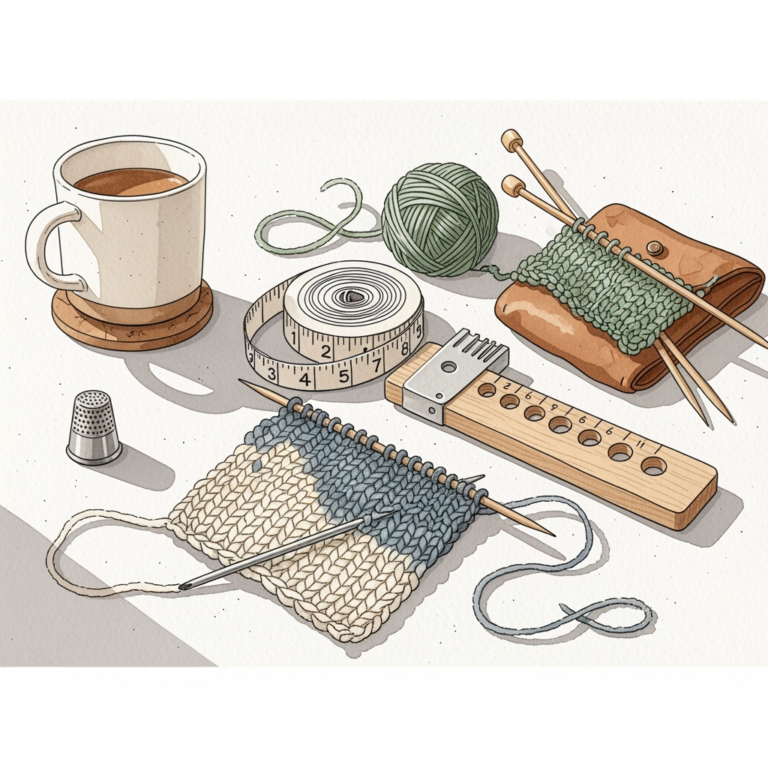
When securing edges, place pins at regular, measured intervals. If you are using a measuring tape or your mat’s grid, you will notice that consistency in spacing leads to a much more professional finish than guessing.
Avoid “stretching” the fabric to its absolute limit; instead, gently “nudge” it into shape. You are looking to encourage the stitches to open up, not to force the fabric into a size it was never knitted to reach. By pinning gently, you preserve the structural integrity of the alpaca and ensure the garment remains true to its intended dimensions.
Properly finishing an alpaca project ensures that the time and effort invested in the knitting process translate into a garment that drapes beautifully and lasts for years. By choosing the right combination of cleaning, shaping, and securing tools, you provide the structure this beautiful fiber needs to excel. Always prioritize gentle handling, and your finished work will reward you with unparalleled comfort and style.