6 Best Silk Sewing Threads For Reinforcing Heels
Strengthen your footwear with our expert guide to the 6 best silk sewing threads for reinforcing heels. Discover the top picks and repair your shoes today.
Hand-knit socks are an investment of time and precision, yet the heel remains the most vulnerable point for premature wear. Carrying a strand of silk thread alongside your main yarn creates a nearly invisible, high-strength barrier against friction. This simple reinforcement strategy significantly extends the life of wool-based heels without compromising the softness of the fabric. Choosing the right silk thread involves balancing tensile strength, thickness, and how the fiber interacts with the primary yarn.
Gütermann Silk S103: The All-Around Best Choice


Gütermann Silk S103 is widely considered the gold standard for sock reinforcement due to its consistent ply and impressive abrasion resistance. It strikes an ideal balance between being thin enough to avoid distorting gauge and strong enough to withstand thousands of heel strikes.
This thread is a staple because it doesn’t add bulk to the fabric. When carried with standard fingering-weight sock yarn, it remains effectively undetectable to the wearer. It is the safest choice for those who are new to reinforcement and want a reliable, predictable outcome.
The main tradeoff is that it is primarily marketed as a sewing thread, meaning color options can be more limited than dedicated knitting yarns. However, because it is so thin, it typically disappears into the colorway of the working yarn. For most projects, matching the exact hue is unnecessary.
YLI 100wt Silk: Best for Fine-Gauge Sock Knitting
When knitting with high-twist, fine-gauge yarns on 2.0mm or 2.25mm needles, heavier threads can create unsightly lumps in the heel. YLI 100wt is exceptionally fine, acting more like a ghost thread that adds structure without changing the fabric’s drape or texture.
It is particularly effective for lace-pattern socks or those with intricate heel flaps where excessive thickness would ruin the stitch definition. While it offers less raw durability than thicker silks, it prevents the yarn from thinning out over time.
Be aware that because it is so fine, it can be slightly more challenging to manage when picking up stitches along a gusset. Use a crochet hook to ensure both the main yarn and the silk are caught correctly in each stitch to avoid dropped threads.
Tire 50wt Silk: The Most Durable Reinforcement
Tire 50wt silk is built for heavy-duty applications, offering a substantial diameter that acts as a true structural scaffold for the heel. If the goal is to create socks meant for hiking or heavy daily wear in boots, this is the superior option.
The increased thickness means that the reinforcement will be visible if examined closely. It provides a dense, protective layer that handles high friction better than any other option on this list.
The primary consideration here is the potential for increased tension. Because the thread is thicker, ensure the gauge remains consistent with the rest of the sock. If you notice the heel pulling tighter than the foot, consider moving up one needle size specifically for the heel flap to maintain uniformity.
Kanagawa Silk: Widest Range of Color Options
Kanagawa silk is celebrated for its brilliant, light-fast dyes and its expansive palette. For those who worry about the reinforcement thread showing through a light-colored or variegated sock, Kanagawa offers the best chance of finding a near-perfect color match.
Beyond its aesthetic appeal, this silk has a smooth, rounded finish that allows it to glide through stitches easily. It is less prone to splitting than some of the more fibrous, rustic silk threads, which makes the knitting process much smoother.
It is a fantastic choice for variegated yarns where even a slight mismatch in color would be distracting. It elevates the final look of the sock by appearing as a intentional part of the knitting rather than a hidden utility item.
Pipers Spun Silk: A Favorite for Rustic Textures
Pipers Spun Silk has a unique, slightly matte texture that pairs exceptionally well with woolen-spun or non-superwash sock yarns. Unlike the polished, high-sheen silks, this thread has enough “tooth” to grip the main yarn, preventing it from sliding around while working the heel.
This grippiness makes it much easier to hold in tension alongside the working yarn. It is an excellent choice for knitters who find that smoother, slicker silk threads are too difficult to keep aligned during the rapid-fire movements of turning a heel.
While it lacks the high-gloss finish of other brands, its natural, organic feel makes it a perfect match for rustic, hearty wools. It won’t disappear as completely as a polished thread, but it integrates beautifully with textured or rustic fabrics.
Kimono Silk Thread: Best Budget-Friendly Option
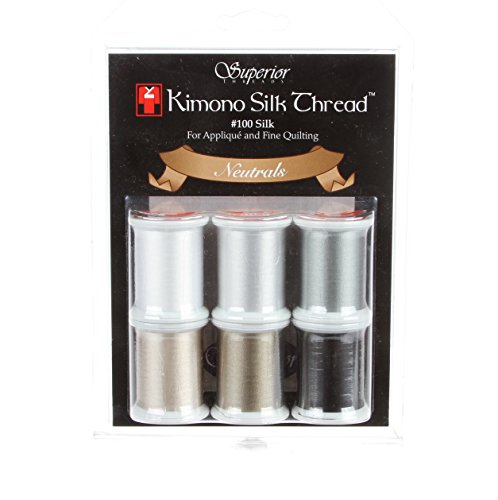
Kimono silk is often sold in larger spools, making it a cost-effective solution for knitters who produce a high volume of socks. It is surprisingly strong and possesses a very clean finish, proving that you do not need to spend a premium to effectively reinforce high-wear areas.
Despite the lower price point, it is not prone to tangling or snapping during the knitting process. It performs reliably, holding its own against more expensive alternatives in terms of longevity.
This is the ideal option for the production knitter or those who are just beginning their journey with reinforcement threads. It allows for experimentation without significant financial commitment, while still delivering professional-grade results.
How to Reinforce Heels by Carrying Silk Thread
Reinforcing a heel is a straightforward process of “carrying” or “holding” the silk alongside your working yarn. When you reach the heel flap, simply pick up the silk thread and knit with it and the sock yarn held as a single strand.
- Avoid Knots: Never tie the silk to the yarn; overlap the tails by a few stitches for a seamless transition.
- Tension Control: Ensure both strands are tensioned evenly to prevent the silk from forming loops on the surface of the work.
- Consistency: Carry the silk throughout the entire heel flap and heel turn to ensure the reinforcement is uniform.
- Termination: Once the heel turn is complete and you return to the main body of the sock, drop the silk thread and continue with the yarn alone.
Always treat the two strands as one single unit of yarn throughout the heel section. This ensures that the reinforcement is evenly distributed across every stitch, preventing weak spots or gaps in coverage.
Why Silk Thread Beats Nylon for Sock Durability
While many commercial sock yarns contain nylon for strength, adding a strand of silk is often superior for long-term wear. Nylon is a synthetic fiber that can become brittle over time, especially when exposed to high heat in the dryer.
Silk, by contrast, is a natural protein fiber with immense tensile strength and a high tolerance for movement. It maintains its structural integrity without breaking down, ensuring the heel remains soft rather than becoming scratchy or stiff.
Furthermore, silk is significantly more breathable and moisture-wicking than nylon. In a high-friction area like the heel, this helps keep the environment dry, which indirectly prevents the wool fibers from felting or wearing away due to dampness.
Choosing Your Thread: Weight and Ply Explained
Understanding thread weight is crucial to avoiding a bulky heel that disrupts the fit of the sock. Thread weight is inversely proportional to thickness; therefore, a 100wt thread is much finer than a 50wt thread.
- Fine (100wt): Best for thin, summer-weight socks or lace patterns where you want invisibility.
- Medium (50wt-60wt): The standard choice for most fingering-weight sock yarns, providing a balance of strength and bulk.
- Heavy (30wt-40wt): Reserved for thick, boot-style socks or for knitters who experience very rapid wear.
Always consider the weight of the sock yarn being used. If you are using a heavy fingering or sport-weight yarn, a 50wt thread will be invisible. If you are working with a thin, two-ply fingering yarn, opt for a 100wt thread to avoid changing your gauge.
Caring for Socks Reinforced with Silk Thread
Socks reinforced with silk thread require the same gentle care as any fine wool garment. While the silk adds structural strength, the wool remains susceptible to agitation and heat.
Always wash your reinforced socks in cool water with a dedicated wool wash. Avoid the dryer, as the agitation can cause the wool to felt, even if the silk is holding the shape together.
Lay the socks flat to dry, ensuring the heel is properly shaped. Because silk has a high memory, it will help the heel maintain its form even after repeated washes, provided the socks are not subjected to the stress of a mechanical dryer.
Selecting the right silk thread is a simple adjustment that profoundly changes the lifespan of your hand-knit socks. By selecting a weight that complements your gauge and a material that suits your specific knitting style, you ensure that your heels stay strong for years of wear. Incorporating these threads is a small step that brings a professional level of durability to your favorite, time-intensive projects.