6 Best Toggle Closures For Easy On Off Bracelets
Discover the 6 best toggle closures for easy on off bracelets. Upgrade your jewelry designs with these secure, user-friendly findings. Shop our top picks today!
Adding a toggle closure to a handmade bracelet is the ultimate finish for fiber artists looking to bridge the gap between textile textures and structured jewelry. These functional accents provide a tactile, secure point of contact that elevates a simple knitted or braided band into a professional-grade accessory. Selecting the right hardware ensures that the piece withstands daily wear without compromising the drape or integrity of the yarn. Understanding the interplay between metal weight, design aesthetic, and ease of use is essential for a polished final product.
TierraCast Hammertone Toggle: Best for Rustic Style
The TierraCast Hammertone toggle brings a rugged, organic quality that pairs beautifully with earthy fibers like linen or heavy-weight wool. Its textured surface mimics the look of hand-forged metal, making it a perfect match for bracelets featuring stranded colorwork or garter stitch cuffs.


These toggles are crafted from lead-free pewter, which provides enough heft to anchor a bracelet without adding uncomfortable weight. The irregular, hammered surface is remarkably forgiving of minor surface scratches, ensuring the piece maintains its character long after it leaves the worktable.
While the aesthetic is undeniably appealing for nature-inspired designs, the textured surface can occasionally snag on fine, delicate fibers like lace-weight mohair. Always prioritize smooth, sturdy yarns when pairing with this hardware to avoid unwanted pilling or frayed threads near the attachment point.
Sterling Silver Leaf Toggle: For Fine Jewelry Pieces

A sterling silver leaf toggle introduces a touch of refinement that complements delicate knitting patterns or intricate beadwork. The high shine of polished silver offers a sophisticated contrast to the softness of luxury fibers such as silk, alpaca, or cashmere.
Because these clasps are usually smaller and lighter than base metal alternatives, they are well-suited for bracelets designed to be worn against the skin for extended periods. The botanical design elements often allow the toggle bar to nestle securely within the ring, providing a low-profile closure that won’t get caught on clothing.
When working with precious metals, remember that sterling silver can oxidize over time. Consider how the patina will develop against the color palette of the bracelet, as a deep tarnish might clash with bright, saturated yarn tones.
Antiqued Brass Filigree Set: For Vintage Looks
Antiqued brass filigree toggles provide an intricate, Victorian-inspired focal point that transforms a simple knit band into an heirloom-style accessory. The open-work design is visually light, preventing the clasp from overpowering the texture of the knitting.
These toggles are excellent for projects that incorporate metal-wrapped threads or metallic fiber blends. The dark, weathered finish acts as a bridge between the historical vibe of the filigree and the modern craft of fiber manipulation.
Be aware that the delicate structure of some filigree toggles can bend if subjected to extreme tension or crushing. Ensure the knitting is properly blocked and stabilized at the attachment point to prevent the hardware from bearing the full weight of the bracelet’s construction.
S-Hook Clasp with Rings: A Minimalist Favorite
The S-hook is the epitome of functional simplicity, offering a clean line that doesn’t distract from complex stitch patterns like cables or intricate lace. It functions as both a closure and a subtle design element, particularly when crafted from smooth, high-quality wire.
Using an S-hook requires the wearer to guide the hook through a sturdy loop on the opposite end, which is a great exercise in tactile feedback. Because the mechanism relies on the tension of the bracelet itself, the fit must be precise.
If the bracelet is too loose, the hook will inevitably slip out of the ring during movement. Always calibrate the length of the knitted portion to ensure the bracelet remains snug enough to keep the hook firmly seated within its loop.
Strong Magnetic Clasp: Easiest One-Handed Use

Magnetic clasps are a life-changing convenience for anyone who struggles with the manual dexterity required for traditional toggles or lobster claws. They snap into place instantly, providing a secure hold that feels nearly weightless during wear.
These are particularly useful for those who frequently knit while wearing jewelry, as the magnets will not snag on yarn or needles. However, the strength of the magnet must be matched to the weight of the bracelet; a heavy, beaded piece may require a stronger magnetic pull to stay closed.
Keep in mind that magnets can interfere with certain electronic devices and should be avoided by those with pacemakers. For everyday wear, they offer an unmatched level of ease, but they lack the mechanical “lock” of a traditional toggle.
Leather Loop & Button: Best for DIY Bracelets

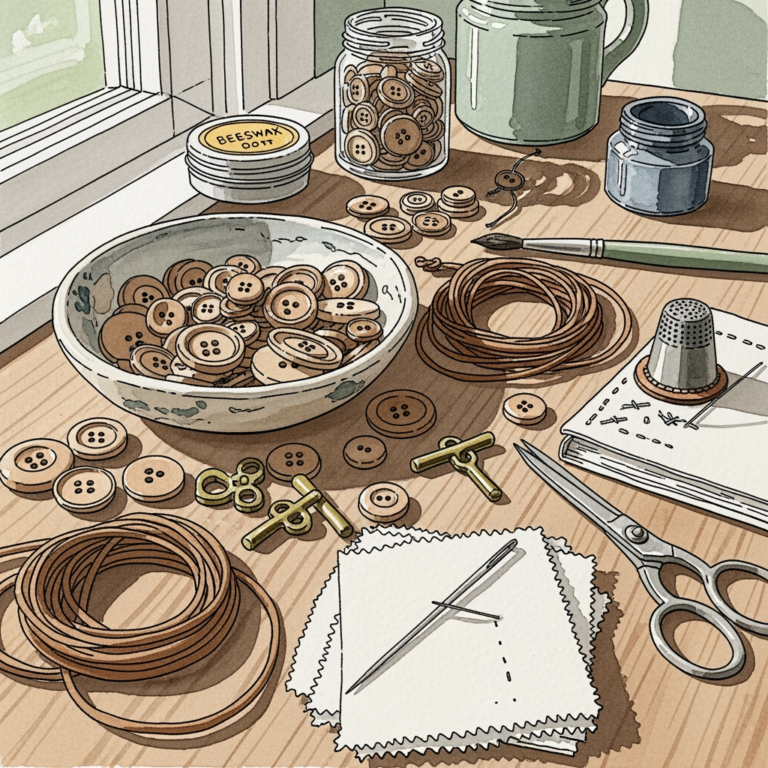
Integrating a leather loop and button creates a cohesive look that blends textile and material arts seamlessly. A button—perhaps a unique wooden or ceramic one—can serve as a stylistic anchor, while a sturdy leather loop provides a secure, flexible closure.
This combination is ideal for thick, rustic yarns like wool roving or heavy-duty cordage. The flexibility of the leather allows it to stretch slightly over the button, ensuring the bracelet stays closed even with minor movement or adjustments.
Always reinforce the point where the leather meets the yarn, as the different material properties can lead to uneven tension. A few tight stitches with a strong, non-stretching nylon thread will ensure the leather doesn’t pull away from the knitting over time.
How to Pick the Right Size Toggle for Your Project
The rule of thumb for toggle sizing is to ensure the bar is significantly wider than the diameter of the ring. A bar that is too short relative to the ring will slip through during normal arm movement, causing the bracelet to fall off unexpectedly.
Consider the “swing” of the bracelet; a loose-fitting cuff needs a more secure, longer toggle bar than a snug, slip-on style band. If the bracelet is made from a stretchy fiber like superwash wool, account for the natural expansion of the fabric when choosing the ring size.
Never guess the fit based on visual estimation alone. Use a small scrap of your chosen yarn to test the closure, pulling the ring over the bar to see how easily it passes through under tension.
Securing Your Clasp to Knitted or Woven Bands
Attaching hardware to knit fabric requires more than just a simple knot, as yarn is prone to shifting and fraying under metal edges. Always use a dedicated sewing thread in a color-matched shade to anchor the clasp to the final edge of your work.
It is advisable to weave a small piece of sturdy cotton tape or ribbon into the edge of the knitting before sewing on the clasp. This acts as a stabilizer, preventing the metal ring from “chewing” through the yarn fibers as the bracelet moves.
When working with delicate or airy knits, consider using a jump ring to connect the clasp to the fabric. This creates a small, flexible hinge that protects the yarn from direct friction against the rigid metal loop of the toggle.
Toggle Sizing: How Much Slack Does a Bracelet Need?
A bracelet should have just enough slack to sit comfortably on the wrist without sliding over the hand unless intended. If the closure is a toggle, the bracelet must be loose enough to be easily manipulated by the fingers, yet tight enough to keep the toggle engaged.
As a general guideline, add about half an inch to the circumference of the wrist for a comfortable, everyday fit. If the project uses a bulky, dense stitch pattern, add slightly more to account for the thickness of the fabric itself.
Always check the final fit after the project is blocked, as wet-finishing and drying can alter the length of natural fibers like wool or cotton. A project that fits perfectly when wet may shrink or stretch once fully dry and stabilized.
Metal Allergies: Hypoallergenic Clasp Options
Metal sensitivity is a common barrier for many jewelry wearers, especially when dealing with base metals containing nickel. For those with sensitivities, look specifically for labels identifying hardware as “surgical steel,” “niobium,” or “sterling silver.”
Niobium is an excellent choice for fiber artists because it is highly biocompatible and can be anodized into various colors to match a knitting project. Surgical steel, while less decorative, is virtually inert and unlikely to cause a reaction even with prolonged skin contact.
When purchasing online, do not rely on the color of the metal to determine safety. Always search for the material composition in the product description; if the listing says “metal alloy” without further detail, it is best to avoid it if there is a known sensitivity.
Selecting the right toggle is the final, essential step in honoring the hours of work poured into a hand-knit piece. By balancing the technical requirements of the yarn with the aesthetic needs of the design, the resulting accessory will be both durable and beautiful. Consistent attention to these details ensures that every piece created remains a staple in the wearer’s collection for years to come.