6 Best Rust Preventative Oils For Carbon Steel Pliers
Protect your tools from rust with our expert review of the 6 best rust preventative oils for carbon steel pliers. Read our top picks and shop the best care today.
Carbon steel pliers are essential for shaping wire, tensioning yarn, and managing intricate hardware in jewelry and textile projects. Without proper maintenance, these high-carbon tools quickly develop rust spots from the moisture on hands or the humidity in a craft room. Neglecting tool care leads to degraded grip and the risk of transferring oxidation to precious fibers or finished pieces. Selecting the right protective oil ensures these precision instruments remain smooth, reliable, and free from damaging corrosion.
3-IN-ONE Multi-Purpose Oil: Best for Everyday Use


This classic formula serves as the standard for quick maintenance in most home studios. Its thin viscosity allows it to penetrate tight joints and pivot points, ensuring that spring-loaded pliers snap back into position without hesitation.
Because it does not leave a thick, tacky residue, it is ideal for tools handled daily. It keeps pliers ready for instant use during long marathon sessions of cable knitting or delicate bead work.
However, its protective layer is relatively light and prone to evaporation over time. For those working in stable, climate-controlled rooms, it provides sufficient defense against mild environmental moisture.
Boeshield T-9 Lubricant: Best for Humid Climates

Boeshield T-9 creates a wax-like film that clings to metal surfaces even in challenging conditions. It is specifically formulated to resist moisture, making it an indispensable choice for those who live in humid climates or keep tools in unconditioned storage spaces.
When applied, it sets up into a protective barrier that stays put. This is particularly valuable for carbon steel tools that might otherwise spot overnight when exposed to summer humidity or damp basement studios.
While the film offers superior protection, it can feel slightly waxy or dry to the touch. This makes it an excellent choice for tools that do not require constant, high-friction contact with delicate silk or wool fibers.
WD-40 Specialist Corrosion Inhibitor: Best Value
The Specialist line differs significantly from the standard water-displacing spray found in most utility drawers. It is a long-lasting, heavy-duty inhibitor that forms a protective shield on bare metal surfaces for months at a time.
This option is highly cost-effective for those maintaining a large collection of specialized jewelry or craft pliers. It provides professional-grade results without the high price tag associated with specialized hobby lubricants.
Exercise caution during application to avoid over-spraying onto handles or grips. A small amount goes a long way, ensuring that the working jaws remain protected without becoming unnecessarily slick.
Starrett M1 All-Purpose Lubricant: Precision Pick
Starrett M1 is widely regarded for its exceptional ability to displace moisture and prevent rust on high-precision measuring tools. For the knitter who uses carbon steel pliers to manipulate fine wire or micro-hardware, this oil offers unparalleled cleanliness.
It is remarkably clear and odorless, which appeals to those sensitive to strong chemical smells while working with soft alpaca or angora fibers. It provides enough lubrication to smooth out stiff joints without attracting dust or lint.
This oil is best suited for the meticulous crafter who keeps a strict maintenance schedule. It performs best as a light, frequent touch-up rather than a heavy, long-term storage coating.
Singer All Purpose Oil: A Trusted Crafter’s Staple
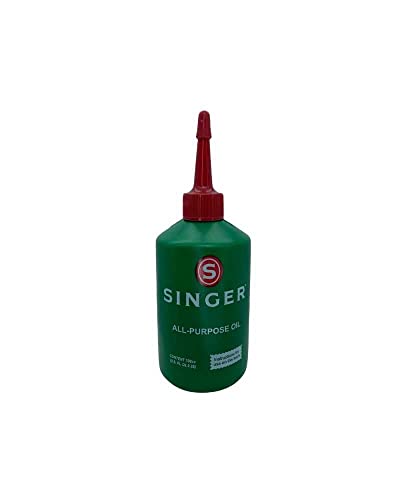
Originally designed for sewing machines, this mineral-based oil is remarkably effective for small hand tools. It is light enough to reach the hidden pivot points of pliers but robust enough to prevent oxidation on the steel surfaces.
Because it is designed for fine machinery, it is clean and relatively stain-resistant. This is a critical consideration when using pliers alongside high-value hand-dyed yarns that can easily pick up dark, oily residue.
It is easily accessible and safe for use on the types of materials found in typical sewing and knitting rooms. It serves as a gentle, reliable workhorse for those who prefer to keep their tool maintenance simple and effective.
LPS 3 Premier Rust Inhibitor: For Heavy-Duty Care
LPS 3 is designed for the toughest environments, creating a self-healing, waxy film. If tools are stored in a garage, workshop, or basement where rust is an inevitable enemy, this is the most aggressive solution available.
The protective coating is substantial and serves as a long-term deterrent against oxidation. It is ideal for tools that are not used every day and need to be stored away for entire seasons between projects.
Be aware that this product leaves a distinct, tacky residue that requires a quick wipe-down before the pliers contact any delicate textile. For maximum protection on tools that sit idle for months, this heavy-duty barrier is unmatched.
Why Your Best Crafting Pliers Are Prone to Rust
Carbon steel is favored by toolmakers because it can be heat-treated to an incredible hardness, allowing for precision tips that do not deform under pressure. This same metallurgical profile makes it highly susceptible to oxidation when it encounters moisture, salts, or acids.
Even the oils from a crafter’s fingertips can initiate the rusting process. During a long afternoon of stranded colorwork or complex finishing, constant handling leaves behind microscopic residues that act as a catalyst for corrosion.
Furthermore, ambient humidity in a craft room—especially if the room lacks proper ventilation—will cause fine, orange surface rust to appear within days. Once this oxidation starts, it slowly pits the metal, eventually compromising the integrity and the smooth closing action of the pliers.
How to Properly Clean and Oil Your Metal Tools
Regular maintenance prevents the buildup of debris that traps moisture against the metal. Begin by wiping the tool down with a soft, lint-free cloth to remove any stray yarn fibers or dust.
If the tools are particularly dirty, use a mild degreaser or alcohol swab to ensure the metal is bare. Once clean and dry, apply a very small drop of oil to the joint while working the pliers back and forth to ensure even coverage.
Finally, wipe away the excess oil from the exterior surfaces using a clean cloth. The goal is to leave an invisible, molecular-level barrier rather than a pool of oil that will eventually collect dust and fiber debris.
Oil vs. Wax: Which Is Better for Tool Protection?
Oils are generally preferred for tools with moving parts, such as pliers with box joints or springs. They penetrate into the tight spaces where friction and rust are most likely to develop, ensuring that the tool moves fluidly under tension.
Waxes provide a more durable, physical barrier that is ideal for long-term storage or for the exterior surfaces of heavy-duty tools. However, wax can become gummy if it gets inside the delicate pivot points of fine-tipped pliers, potentially hindering their operation.
For most knitting and jewelry tools, a high-quality machine oil is the superior choice for daily functionality. Reserve waxes for specialized blades or tools that remain stationary for extended periods.
How Often Should You Reapply Rust Preventative?
The frequency of reapplication depends entirely on the usage rate and the local environment. Tools used for long, daily project sessions should receive a quick wipe-down with an oiled cloth at the end of every week.
If the studio environment is prone to dampness, keep an eye out for any slight color changes or dullness on the steel. Any sign of spotting is a clear indication that the protective barrier has been breached and needs immediate renewal.
For tools that are tucked away in a drawer and used only sporadically, a light application every six months is usually sufficient. Always perform a quick check of the joint movement, as a lack of fluid motion is a reliable indicator that the oil has dried out or degraded.
Properly cared for, high-quality carbon steel pliers will provide a lifetime of reliable service, allowing for the kind of precision that makes complex projects feel effortless. Regular maintenance is not just about extending tool life; it is about preserving the joy of the craft.