6 Best Smartphone Mounts For Product Videos To Use
Elevate your content creation with our top 6 smartphone mounts for product videos. Discover the perfect gear to stabilize your shots and shop our recommendations.
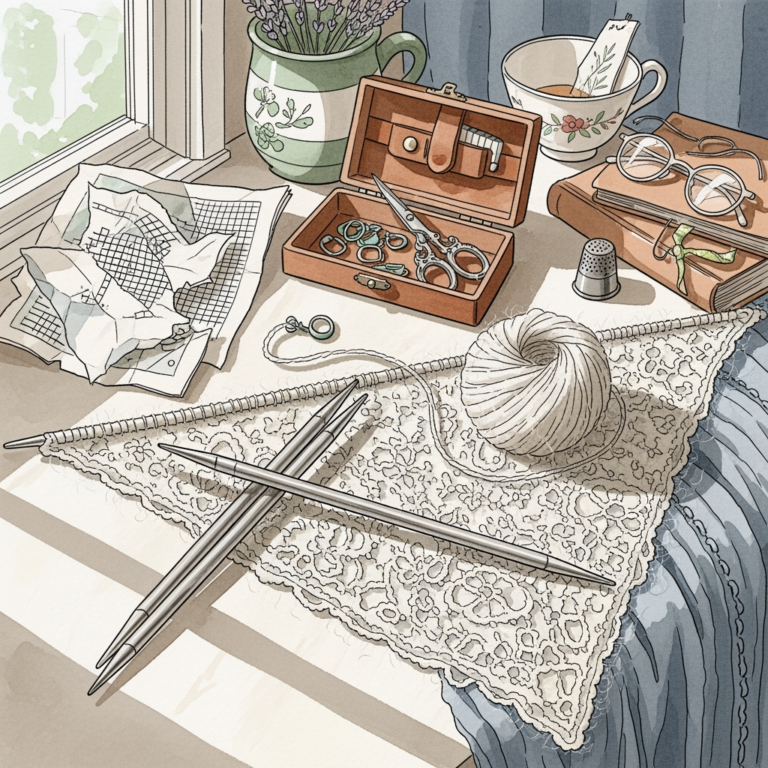
Capturing the intricate movement of a lace chart or the tension of a colorwork float requires more than just a steady hand. Every knitter knows that the magic of a handmade garment lies in the tension and the rhythm of the needles, yet these details are easily lost in a blurry video. A stable mount serves as the bridge between a private knitting session and a shared tutorial, transforming a simple project into a clear learning resource. Choosing the right equipment ensures the audience focuses on the stitch, not the shaky camera work.
Arkon Pro Stand: Best for Overhead Knitting Shots


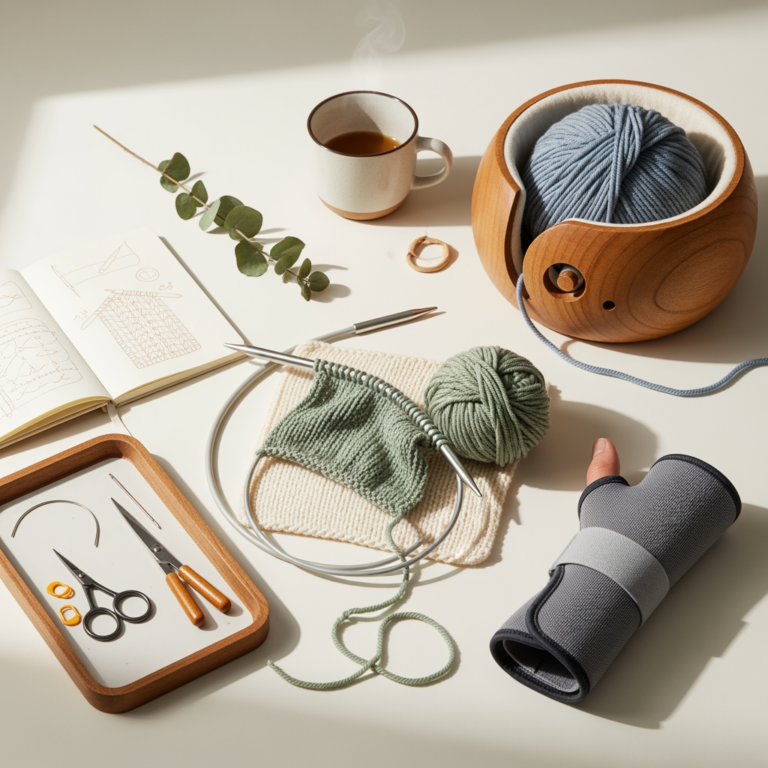
Overhead perspective is the gold standard for knitting tutorials because it mimics the knitter’s own line of sight. The Arkon Pro Stand excels here by providing a heavy-duty, elevated boom arm that clears the workspace entirely, leaving room for a messy stash of yarn and extra circular needles.
This stand is particularly useful when working with delicate fibers like lace-weight mohair, where the viewer needs to see every yarn-over and stitch mount clearly. Because the base is weighted, there is no risk of the stand tipping over during a vigorous knitting session or when adjusting the frame mid-pattern.
While the footprint is substantial, the stability it offers is unmatched for long-form video content. Invest in this mount if the primary goal is to create professional, high-quality pattern demonstrations that require hours of filming without constant readjustments.
Joby GorillaPod Mobile Vlogging Kit: Most Versatile
Flexibility defines the GorillaPod, a mount capable of wrapping around lamp posts, chair backs, or even the edge of a table. For the knitter who films on the go—perhaps at a knitting circle or while traveling with a sock project—this mount offers a degree of mobility that rigid stands simply cannot match.
Its wraparound legs act as a custom tripod, allowing the camera to be positioned at awkward, low-angle spots that traditional stands would struggle to reach. This is ideal for capturing close-up shots of complex cable crossings or the subtle texture of a hand-dyed wool skein.
Do keep in mind that the tripod is lightweight; it may vibrate if placed on a wobbly table. It serves best as a travel companion rather than a permanent studio fixture, providing a quick, creative solution for filming in varied environments.
UBeesize Ring Light Tripod: Best for Great Lighting
Proper illumination is the difference between seeing the twist of a stitch and struggling to differentiate between dark navy and black yarn. The UBeesize Ring Light Tripod combines a stable base with a built-in light source, ensuring the subject is always bathed in flattering, even light.
This setup is indispensable for knitters working with dark colors or complex textures where shadows can hide the stitch definition. The adjustable color temperature settings help mimic natural daylight, which is essential for accurate color representation in fiber arts.
Avoid the temptation to rely solely on ambient room lighting, as it often creates inconsistent hues. By using this integrated mount, the focus remains entirely on the craftsmanship, ensuring that even the finest detail of a twisted ribbing is captured with crystal clarity.
Lamicall Gooseneck Mount: Top Clamp-On Solution

The Lamicall Gooseneck provides a simple, direct way to attach a camera to a desk or table edge. This clamp-on mechanism is perfect for minimalist studios where floor space is at a premium and the knitting area needs to remain clutter-free.
The flexible neck allows for rapid repositioning, which is helpful when switching between a wide shot of the garment and a tight macro shot of the needle tips. It is an excellent choice for knitters who want a “set it and forget it” mount that stays out of the way of hands and yarn.
Be aware that the gooseneck arm can be prone to “spring-back” if the phone is heavy. Ensure the phone is balanced correctly in the clamp, and try to keep the arm as short as possible to maintain maximum stability during filming.
Manfrotto PIXI Mini Tripod: Best Compact Stability
For the knitter who wants high-quality support in a pocket-sized package, the Manfrotto PIXI is the industry benchmark. It is a sturdy, reliable mini-tripod that offers a rock-solid foundation for a smartphone without the bulk of larger gear.
Its locking ball-head allows for precise tilting, making it simple to aim the camera directly at the needles. It is particularly effective when placed on a flat surface to capture hand movements from a side-angle or slightly elevated position.
Because it lacks height, it works best when placed on top of a stack of books or a designated knitting box. It is a durable, professional-grade tool that will outlast most budget plastic alternatives, making it a sound long-term investment.
Ailun Tripod Phone Mount: Best Budget-Friendly Pick
Not every knitting video requires professional studio equipment, and the Ailun mount offers a straightforward, functional solution for beginners. It secures the phone firmly and provides the basic stability needed for social media posts or quick pattern updates.
This mount is a great entry point for those just starting to share their knitting journey online. It handles basic smartphone setups with ease and fits easily into a project bag alongside spare needles and stitch markers.
While it lacks the heavy-duty features of premium stands, its value lies in its simplicity and portability. It allows the knitter to begin creating content without a massive initial financial commitment, leaving more room in the budget for premium yarns and luxury needles.
How to Choose the Right Mount for Your Craft Videos
The best mount depends entirely on the knitting style and the project type. Before buying, consider where the filming takes place and what specific details need to be highlighted.
- Height Requirements: Do you knit at a high table or low in a comfortable armchair?
- Space Constraints: Is there room for a bulky tripod, or does the mount need to clamp to a small desk?
- Video Goals: Are you teaching complex techniques that require a steady, fixed overhead angle?
- Portability: Do you need to film at knitting retreats or local yarn store meetups?
A good rule of thumb is to prioritize stability over portability if filming long-form content. An unstable video is distracting, whereas a slightly less portable one is a minor inconvenience that only occurs during setup.
Getting the Perfect Angle for Knitting Tutorials
Achieving the perfect angle is about positioning the camera so that the viewer sees exactly what the knitter sees. Aim for an overhead or slightly angled position that keeps the hands and the needle tips in the center of the frame at all times.
If the angle is too low, the viewer only sees the back of the hands; if it is too high, the stitch detail is lost. Spend time adjusting the arm of the mount to ensure that the yarn path is visible and the needles remain in focus throughout the movement of each stitch.
Always perform a “dry run” by knitting a few rows without recording to ensure the frame is wide enough to accommodate the full range of motion. Remember, if the needles leave the frame frequently, the viewer will struggle to follow the pattern’s progression.
Overhead vs. Tripod: Which Mount Style Is for You?
Overhead mounts are essential for instructional content, as they offer the most clarity for stitch-by-stitch tutorials. They are the standard for showing how to pick up stitches, execute a cable, or manage long floats in stranded colorwork.
Tripods, by contrast, are better for “process” videos, such as showing the growth of a shawl or the finished look of a garment. They offer a more cinematic, front-facing view that invites the viewer into the knitting space rather than just into the mechanics of the stitch.
Most professional knitters utilize a combination of both. Having a versatile tripod for general shots and a dedicated overhead arm for deep-dive tutorials provides the most professional coverage for any knitting channel.
Why Good Lighting Is as Important as a Stable Mount
Stability ensures the video isn’t shaky, but lighting ensures the video is actually watchable. When working with fibers—especially those with a halo, like angora or mohair—bad lighting can wash out the details, making the project look like a flat, featureless mass.
Select lighting that minimizes glare on the needles, particularly if using slick metal needles which reflect light sharply. Soft, diffused light is preferable to harsh, direct light as it highlights the texture of the yarn without creating distracting hotspots.
Ultimately, a well-lit video shows the true color and character of the yarn, which is what viewers want to see most. Pair a reliable mount with a consistent light source, and the quality of the knitting content will improve immediately.
Selecting the right smartphone mount is an investment in the clarity and professionalism of your fiber arts projects. By matching your equipment to your specific knitting habits, you ensure that every stitch and every technique is captured exactly as intended. Whether filming for personal growth or to share a pattern with the wider community, the right tools will make the process easier, more efficient, and far more rewarding.