
7 Best Natural Stone Beads For Prayer Necklaces
Discover the 7 best natural stone beads for prayer necklaces to enhance your meditation practice. Choose your perfect gemstone and start crafting yours today.
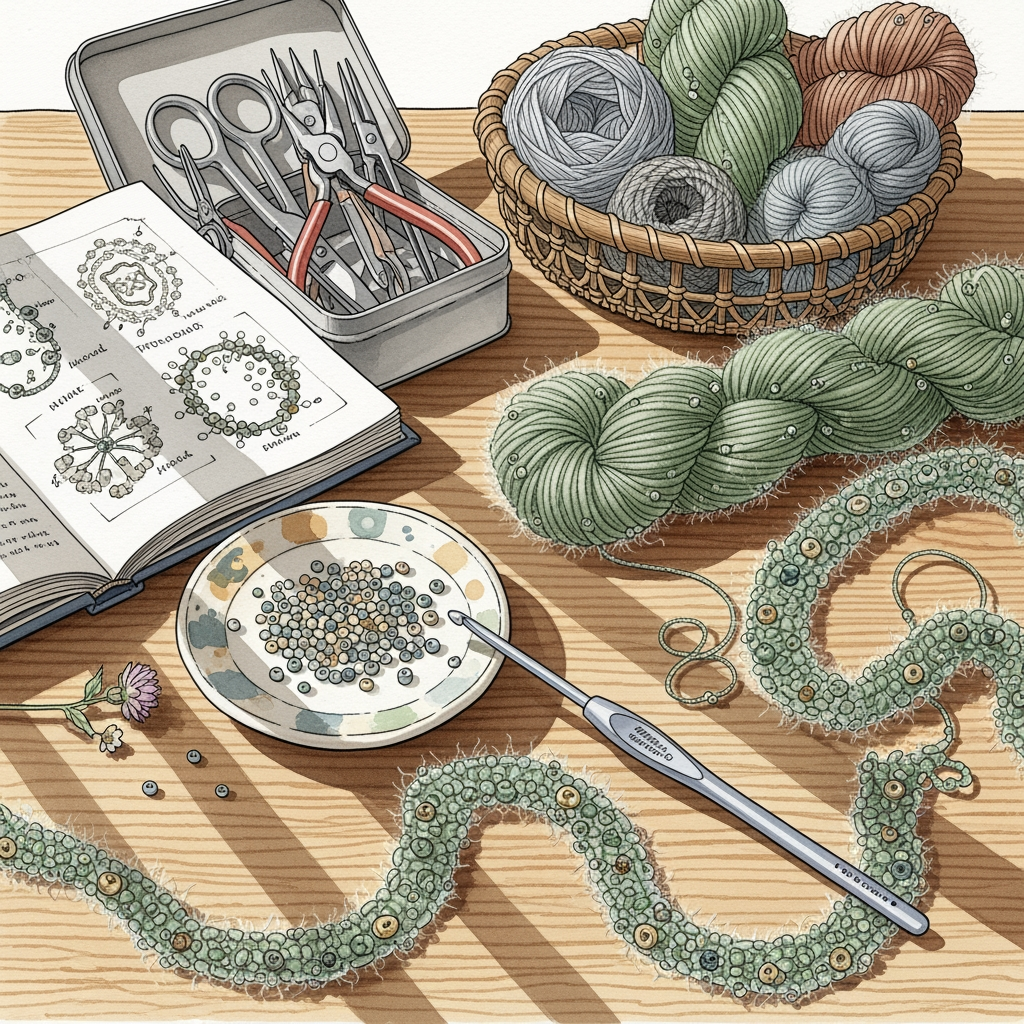
Creating a prayer necklace, or mala, is a meditative practice that mirrors the rhythmic consistency required in knitting a complex lace project. Choosing the right stones involves balancing aesthetic appeal with the structural demands of the cord and the tactile experience during use. Much like selecting a yarn fiber for a heirloom shawl, the material quality of these beads dictates the longevity and “drape” of the finished piece. Consider these natural stone selections as essential tools for intentional making.
Amethyst Beads: Best for Calm and Meditation


Amethyst is the go-to stone for those seeking a tranquil, meditative state during prayer or focused work. Its deep purple hues provide a calming visual anchor that contrasts beautifully with natural fibers like silk.
When incorporating these into a project, treat them like a delicate luxury yarn. They are relatively hard on the Mohs scale, but they can be brittle if dropped against a hard surface.
Ensure the beads have a uniform polish to prevent abrasion against the cord. A smooth, high-quality finish prevents fraying over time, much like choosing a well-spun, non-snagging wool for a delicate sweater.
Lapis Lazuli Beads: Best for Spiritual Insight
Lapis lazuli offers a striking, deep blue aesthetic that adds significant weight and presence to a necklace. Its naturally occurring flecks of pyrite create a unique, celestial pattern that ensures no two beads are exactly alike.
Because lapis is a softer stone than quartz, it requires careful handling during the stringing process. Avoid forcing the cord through drill holes that have jagged edges, as this is a recipe for a snapped thread.
Treat these stones with the same care one would use for fragile hand-dyed angora. Keep them away from harsh chemicals or abrasive cleaners to maintain their rich, saturated color.
Rose Quartz Beads: Best for Unconditional Love
Rose quartz is prized for its gentle, soothing pink tones that bring a soft, feminine aesthetic to any design. It is a durable stone that stands up well to frequent handling, making it a reliable choice for a daily-use piece.
When selecting strands, watch for internal fractures. Much like inspecting a skein for joins or knots, quality control is vital to ensure the beads do not split under the tension of the knotting process.
The soft luster of rose quartz pairs perfectly with lighter cord colors like cream or silver-grey. It provides a clean, elegant finish that feels substantial without being overly heavy.
Black Onyx Beads: Best for Grounding and Focus
Black onyx provides a sleek, monochromatic look that works exceptionally well for structured, minimalist designs. It is remarkably durable, offering a high-resistance surface that won’t easily scratch during regular use.
Think of onyx as the “mercerized cotton” of the stone world; it is smooth, uniform, and incredibly sturdy. It holds its polish well even after years of continuous handling during meditation.
Because of its uniform dark color, it hides cord discoloration better than lighter stones. This makes it an ideal candidate for long-term projects where the cord might be subject to sweat or oils.
Tiger’s Eye Beads: Best for Courage and Clarity
Tiger’s eye features a distinct chatoyancy, or light-reflective shimmer, that shifts as the bead moves. This visual interest adds depth, similar to the way variegated yarn creates movement within a simple stockinette stitch.
The stone is physically robust, ranking high on the hardness scale. It is a fantastic choice for those who carry their prayer beads in a bag or pocket where they might be bumped against keys or other items.
Focus on finding beads with high-contrast banding for maximum visual impact. The natural variation acts as a built-in pattern, reducing the need for complex bead spacing or complicated knot designs.
Howlite Beads: Best for Calming an Overactive Mind
Howlite is a porous, opaque stone that often features grey veining, providing a classic, marble-like appearance. Its neutral palette makes it a versatile match for virtually any color of cord or tassel.
Be aware that howlite is softer than quartz and can be more absorbent. If the beads are porous, they may darken over time if exposed to natural skin oils or perfumes, creating a “patina” similar to the way vintage wool mellows with age.
If a pristine white look is desired, store the finished necklace away from dust and contaminants. It is a lightweight stone, perfect for longer malas that need to remain comfortable for extended wear.
Clear Quartz Beads: The Ultimate Master Healer
Clear quartz is the essential staple for any collection, acting as a neutral, high-clarity bridge between other stones. Its transparency allows the internal structure of the cord to remain visible, so ensure the thread used is clean and neatly knotted.
As a high-hardness stone, it is incredibly resistant to wear. It functions effectively as a “spacer” bead, offering a structural break in the pattern that prevents the necklace from feeling too dense or cluttered.
When buying, look for “clarity” in the stone, much like looking for the absence of pilling or “fuzz” in a high-twist yarn. A clear, inclusion-free bead reflects light beautifully and adds a professional polish to the finished work.
How to Choose the Right Bead Size for Your Mala
Bead size directly impacts the final length and weight of the necklace. A standard 108-bead mala typically uses 6mm to 8mm beads; anything larger becomes cumbersome and heavy for daily meditation.
Consider the “drape” of the piece. Just as a heavy wool coat requires a sturdy stitch to maintain its shape, a necklace with large, heavy stones requires a thicker, high-tensile cord to prevent stretching.
Always measure the total circumference to ensure the length fits comfortably over the head. Test the weight with a prototype strand before committing to an expensive set of gemstones.
What to Look For: Bead Finish and Drill Hole Size
The finish of a bead is the primary indicator of quality. Look for a consistent, high-gloss polish that is free of chips or rough patches, as these will inevitably fray the cord during the knotting process.
Inspect the drill hole size carefully before purchasing. If the hole is too small for the cord, the frustration during assembly will be equivalent to trying to pull a chunky weight yarn through a needle meant for lace-weight thread.
Check for “centered” drilling. An off-center hole causes the necklace to hang unevenly, much like a poorly balanced hand-knit garment that skews to one side.
Choosing Cord: Silk, Nylon, and Elastic Options
Silk is the traditional, professional choice for malas. It provides a luxurious feel and a beautiful drape, though it is prone to snapping if the knots are not tied with consistent tension.
Nylon offers superior strength and resistance to moisture, making it a practical alternative for those who find silk too delicate for everyday use. It is less prone to fraying, behaving much like a synthetic-blend yarn in terms of durability.
Elastic is a convenient option for beginners, but it lacks the permanence and traditional feel of a knotted cord. For long-term use, prioritize non-stretching materials that allow the necklace to retain its shape over time.
Selecting the right combination of stones and cord is an exercise in both intuition and technical precision. By prioritizing high-quality materials and understanding the inherent properties of your beads, you will create a tool that is as durable as it is meaningful. May your finished piece serve as a constant, reliable companion in your practice.


