7 Best Moisturizing Hand Creams For Frequent Knitters
Keep your hands soft while crafting with our top 7 moisturizing hand creams for frequent knitters. Read our expert guide to find your perfect soothing remedy now.
Frequent knitting takes a toll on the hands, turning soft skin into a battlefield of friction, snagged cuticles, and stubborn dryness. Constant contact with dry fibers like cotton or untreated wool strips away essential oils, leaving skin prone to cracks that catch on delicate stitches. Finding the right moisture balance is essential not just for comfort, but to prevent snagging fibers during intricate work. The following selections represent the gold standard for maintaining supple skin without compromising the integrity of fine yarns.
O’Keeffe’s Working Hands: Best for Cracked Fingers


When knitting with high-twist wools or thin, metallic-coated yarns, friction becomes a constant enemy to the skin. O’Keeffe’s provides a concentrated, non-water-based barrier that excels at sealing deep cracks that often form on fingertips after hours of repetitive motion.
This formula acts as a protective shield, which is vital for knitters who find their skin splitting during long sessions on small-diameter needles. While it lacks a pleasant scent, its effectiveness at healing painful fissures is unmatched. Apply a small amount before bed to wake up with skin ready for fine-gauge lace work.
L’Occitane Shea Butter Cream: The Ultimate Splurge
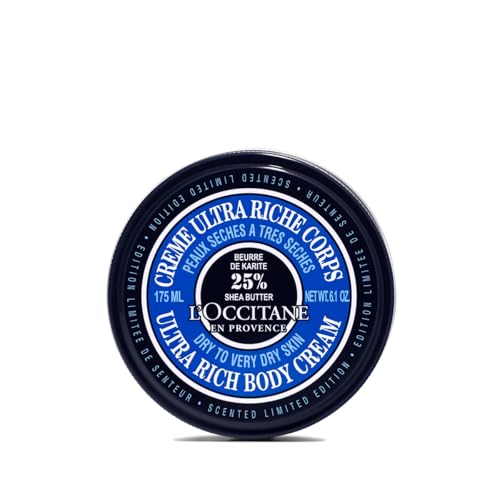
This cream is formulated with a high concentration of organic shea butter, making it a luxurious essential for those who prioritize skin health during marathon knitting sessions. Its rich, emollient texture provides deep hydration that penetrates even the most stubborn dry patches caused by handling absorbent plant fibers like linen or hemp.
The heavy, buttery texture does require a period of absorption before picking up needles, particularly when working with delicate silk or mohair blends. If you choose this option, allow for a “soaking in” period to avoid leaving oily residue on your project. It remains the top choice for knitters who deal with severe winter dryness and need intense restoration.
Neutrogena Norwegian Formula: Best Non-Greasy Feel

Knitters often fear the transfer of heavy oils onto pristine white yarn or delicate hand-dyed fibers. The Norwegian Formula is highly concentrated and absorbs almost instantly, leaving hands feeling soft but dry to the touch within seconds.
This makes it the ideal choice for “on-the-go” knitting, such as working on a subway or in a public space where you cannot risk getting grease on your needles or yarn. It provides a reliable moisture barrier without the tacky film that can cause sticky fingers to drag against bamboo or wooden needles. It is a workhorse product that prioritizes function over fragrance.
Knitter’s Pride Mindful Lotion: For Knitters, By Knitters

Designed specifically with the fiber artist in mind, this lotion balances rapid absorption with skin-calming ingredients. It addresses the unique mechanical strain knitters experience, providing comfort without interfering with the grip or glide of the knitting needles.
The focus here is on the tactile experience of the yarn. Because it is formulated to be neutral and clean-feeling, it does not alter the friction coefficient of your needles. It is the perfect choice for those who need a light hydration boost mid-project without having to put the work down for long.
Burt’s Bees Hand Salve: The Best Natural Choice

For those who avoid synthetic additives, this salve relies on a blend of botanical oils and beeswax to soothe overworked hands. It is particularly effective for knitters who suffer from hangnails or dry cuticles that snag on wool fibers.
The presence of beeswax provides a protective layer, acting as a buffer between your skin and the needles. However, be cautious with the amount used, as the wax can leave a slight waxy residue that may require washing your hands before starting an delicate lace project. It is best used as an overnight treatment for deep conditioning.
Eucerin Advanced Repair: Best Fragrance-Free Pick

Fragrances in skin care can sometimes cause contact dermatitis, which is a significant frustration for knitters who already deal with fiber sensitivities. Eucerin is the clinical choice, focusing entirely on humectants that draw moisture into the skin without irritation.
Its fragrance-free, non-greasy profile is a safe bet for those working with expensive, luxury fibers that might pick up lingering synthetic scents. It provides a consistent, reliable level of hydration that doesn’t change from tube to tube. This is a staple in many knitting bags for its sheer consistency and lack of sensory interference.
Duke Cannon Bloody Knuckles: For Intense Repair
Intense knitting, especially with textured or “sticky” yarns like mohair, can leave knuckles raw and inflamed. This cream is heavy-duty, designed to repair rough, cracked, or severely damaged skin without the flowery scents found in many other hand lotions.
It is highly effective for those who spend hours doing stranded colorwork, where tension management can pull at the skin of the knuckles. While it is thick, it absorbs surprisingly well if massaged in thoroughly. It is the definitive choice for the knitter who treats their hands like tools that need rugged maintenance.
What Makes a Hand Cream “Knitter-Friendly”?
A truly knitter-friendly cream must strike a delicate balance between moisture and surface residue. If a cream is too oily, it will transfer onto the yarn, potentially darkening natural fibers or interfering with the structure of superwash wools during the blocking process.
Conversely, a cream that dries too quickly may fail to provide the barrier needed against the constant friction of yarn sliding through fingers. The best products allow for a smooth slide, preventing skin drag without leaving the yarn surface slick or compromised. Always prioritize fast-absorbing formulas to ensure your tension remains consistent.
How to Apply Cream and Protect Your Precious Yarn
Applying cream correctly is as important as choosing the right formula. Focus the product on the pads of the fingers, the cuticles, and the back of the hands, avoiding the palms where possible to keep your grip on the needles secure.
Wait at least five to ten minutes before picking up your project to ensure the cream has fully penetrated the epidermis. If you are working with delicate, high-end fibers like cashmere or alpaca, consider wearing cotton gloves for twenty minutes after application to lock in moisture and protect your yarn from any remaining surface residue.
Lanolin vs. Shea: Which Base Is Best for Knitters?
Lanolin, derived from sheep’s wool, is a natural choice for knitters, as it is biologically similar to the oils found in raw wool. It creates an excellent, long-lasting barrier that protects hands from the coarseness of rustic or high-micron wools.
Shea butter, by contrast, is a plant-based lipid that offers deeper, more nourishing hydration for chronically dry skin. Lanolin is superior for protecting the skin barrier during heavy friction tasks, while shea is better for daily restoration of skin health. Choose lanolin-based products when tackling scratchy wool projects and switch to shea for standard daily care.
Proper hand care is the secret to longevity in the hobby, ensuring that your hands stay as healthy as the projects you create. By selecting the right moisturizer, you protect both your skin and your finished work from the inevitable wear and tear of the needles. Keep your hands hydrated, keep your yarn clean, and continue creating without the frustration of dry, snagging skin.