7 Best Stump Cleaners For Reusable Tools To Try
Keep your gear in top shape with these 7 best stump cleaners for reusable tools. Discover our expert recommendations and restore your equipment’s performance today.
Over time, the natural oils from your hands, dust from roving, and the tiny fibers shed by yarn accumulate on your tools. This buildup can create drag, making your stitches feel sluggish and impacting your overall knitting tension. Maintaining clean needles and notions ensures that your equipment performs exactly as intended, protecting both the longevity of the tools and the consistency of your finished fabric. Proper care is an essential, yet often overlooked, part of a knitter’s professional-grade toolkit.
Eucalan No-Rinse Wash: Best Gentle Cleanser


Eucalan is formulated for delicate fibers, but its gentle pH-neutral composition makes it an excellent choice for soaking knitting needles. It removes skin oils and debris without leaving a harsh chemical residue behind.
Because no rinsing is required, it avoids the risk of getting water trapped inside the joins of circular needles or the hollow centers of metal needles. Simply submerge the tips or wipe them down with a damp cloth treated with a drop of the solution.
It is particularly effective for those who knit with high-protein fibers like mohair or angora, where residue on needles can attract microscopic dust. Always prioritize a gentle cleanse when dealing with delicate finishes on coated needles to prevent premature stripping.
Dawn Powerwash Spray: For Stubborn Needle Grime

Sometimes, needles collect a stubborn, waxy buildup, especially when knitting with wool that has not been fully scoured of its natural lanolin. Dawn Powerwash is an aggressive grease-cutter that excels at breaking down these sticky deposits.
A light mist on a cloth is sufficient to clear away layers of grime that have caused your stitches to “stick” mid-row. However, exercise caution: this product is potent and should never be sprayed directly onto needles with specialized coatings or wooden finishes.
Apply it to a rag first, wipe the tool, and immediately follow with a clean, damp cloth to neutralize the surface. Use this only when gentler methods fail, as frequent use can dry out the surface of natural wood needles.
Care-Touch Alcohol Prep Pads: Best for Metal Tools

Alcohol prep pads provide a sterile, quick-drying solution for stainless steel or nickel-plated needles. They evaporate almost instantly, ensuring that no moisture infiltrates the crimps or joins of fixed circular cords.
They are the gold standard for removing the “tacky” feeling that sometimes develops on metal surfaces after long hours of lace knitting. If you notice your stitches dragging on your metal DPNs, a quick wipe with a sterile pad will restore that signature metal-on-yarn glide.
Be wary of using these on painted or powder-coated needles, as alcohol can dissolve decorative finishes over time. Reserve these for high-performance, uncoated metal tools where speed and hygiene are the primary concerns.
Sunshine Polishing Cloth: To Restore Metal’s Shine
Over years of use, metal needles can develop micro-scratches or a dull, oxidized appearance that creates friction. A Sunshine polishing cloth is impregnated with non-scratching micro-abrasives designed to buff metal surfaces back to a factory-fresh finish.
This is not a cleaner for daily debris, but rather a restorative tool for when your needles lose their luster. Buffing them lightly will smooth out minor imperfections, allowing your yarn to move with minimal resistance.
Always wipe the needle clean with a dry, lint-free cloth after polishing to remove any microscopic polishing dust. Consistent buffing extends the life of premium metal needles, preventing them from ever reaching the point of needing replacement.
Renaissance Wax: The Ultimate Protective Finish
Renaissance wax is a microcrystalline wax favored by museums for preserving artifacts, making it an elite choice for sealing wooden or resin knitting needles. It creates a thin, inert barrier that repels moisture, dust, and the oils from your hands.
When applied in a very thin layer and buffed to a hard sheen, it significantly increases the glide of bamboo or birch needles. Unlike typical furniture polishes, it will not turn yellow or become gummy over time, keeping your tools smooth for months of active knitting.
Use this sparingly, as a little goes a long way toward protecting your investment. This is the best choice for protecting vintage or heirloom needles that have become porous or dry over many decades.
Howard Feed-N-Wax: Best for Reviving Wood Needles
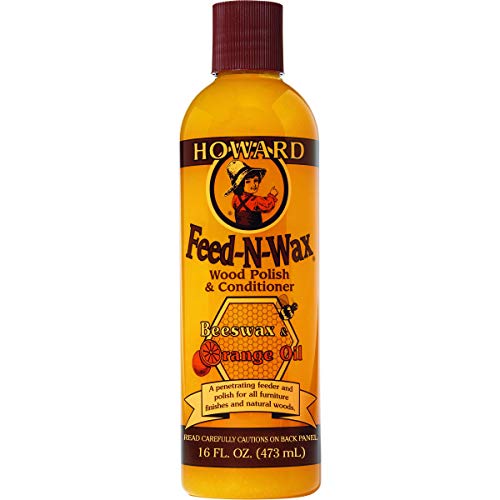
Wooden needles can eventually become brittle, dry, or splintered if they are not conditioned. Howard Feed-N-Wax uses a blend of beeswax and orange oil to penetrate the wood grain, rehydrating it from the inside out.
Regular treatment keeps wooden needles flexible and prevents the tiny cracks that can catch on delicate yarn fibers like silk or alpaca. After application, the surface feels rejuvenated and noticeably smoother.
If your wood needles feel “fuzzy” or look dull, they are likely thirsty for oil. Conditioning them annually prevents the wood from drying out and snapping during intense cabling or complex colorwork projects.
A Microfiber Cloth: For Everyday Dust and Wiping
A high-quality microfiber cloth is the most versatile tool in a knitter’s maintenance kit. It traps lint and dust particles within its fibers rather than just pushing them around, making it perfect for a quick wipe-down between sessions.
Keep one in your project bag to clear away the fine “fluff” that accumulates during stranded colorwork or when using high-shed yarns. It is the safest tool for every material, from carbon fiber and metal to polished wood and plastic.
Make this your primary maintenance habit. A simple ten-second wipe after every knitting session prevents the buildup that eventually necessitates heavier cleaning solutions.
How to Safely Clean Different Needle Materials
- Bamboo and Wood: Use wood-specific conditioners and avoid soaking. Moisture causes wood to swell and grain to rise, leading to a rough surface.
- Stainless Steel/Nickel: Alcohol pads and polishing cloths are ideal. These are robust materials that withstand chemical cleaners well.
- Coated/Painted Needles: Use only mild, pH-neutral cleaners like Eucalan. Abrasives or strong solvents will strip the color and reveal the base metal underneath.
- Carbon Fiber: Wipe with a damp cloth; these needles rarely require more than a light dusting to maintain their slick surface.
What NOT to Use When Cleaning Your Knitting Tools
Avoid harsh household detergents, which can leave a film that attracts dirt even faster. Never use acetone or heavy-duty paint thinners, as these will permanently damage synthetic needle coatings and degrade the structural integrity of resin or bamboo tools. Finally, avoid using abrasive scrubbing pads, which create micro-grooves that will catch on your yarn and lead to pilling.
A Guide to Cleaning Other Common Knitting Notions
Stitch markers, cable needles, and tapestry needles also require occasional maintenance. Metal stitch markers can be polished with a microfiber cloth, while plastic markers should be washed in warm, soapy water to remove accumulated lint. When cleaning tapestry needles, ensure they are thoroughly dried before storage to prevent rust, especially if you live in a humid climate.
Proper maintenance of your knitting tools is a simple investment that pays off in smoother knitting and better tension control. By choosing the right cleaning method for each material, you preserve the functionality and feel of your favorite needles for years to come. Consistency is the true secret to keeping your fiber arts kit in perfect working order.