6 Best Glass Paperweights For Holding Reference Pages Open
Struggling to keep your workspace organized? Explore our top 6 glass paperweights for holding reference pages open securely. Shop our curated favorites today.
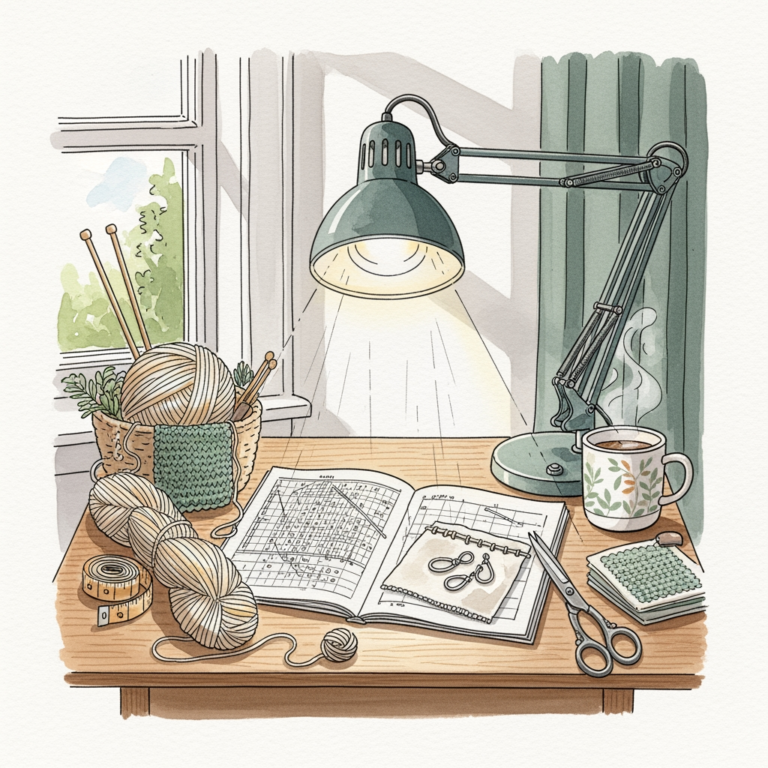
Struggling to keep a pattern book flat while mid-row in a complex cable project is a common frustration for knitters. A reliable paperweight serves as a silent partner, holding charts open so the eyes never have to stray from the working needle. Selecting the right weight ensures pages stay put without obscuring the intricate details of a lace motif or colorwork chart. Choosing the perfect tool turns a cluttered workspace into a professional, efficient craft station.
Hoya Crystal Dome: Best for Magnifying Charts
The Hoya Crystal Dome is a powerhouse for those working with small-scale charts or fine-gauge lace. Its optical-grade glass acts as a literal lens, enlarging the print beneath it to make stitch definitions crystal clear.
This is particularly useful when squinting at condensed Fair Isle charts where the difference between two similar shades of yarn can be hard to distinguish in low light. The dome shape focuses light directly onto the page, reducing eye strain during long sessions of tracking repetitive repeats.
Be aware that the high level of magnification might feel slightly disorienting if the font is already large or bold. It is best reserved for those fine, high-density charts where legibility is the primary hurdle.
Re-crystal Bar: Best for Holding Books Open


A bar-style paperweight offers a wider footprint than a circular dome, making it the superior choice for thick pattern books. It stretches across the gutter of a book, effectively holding both pages flat simultaneously.
When working from a spiral-bound book that refuses to lay flat, the bar provides the necessary tension to keep the spine from bowing upward. This prevents the book from snapping shut and losing the place in a complex multi-page pattern sequence.
Because it spans a greater surface area, it provides more stability than a single point of pressure. If the project requires constant reference to a wide spread of instructions, this rectangular design is the most functional solution.
Murano Millefiori: Most Beautiful & Artistic
Murano Millefiori paperweights bring an element of elegance to the craft table. These pieces feature intricate glass-fusing techniques that result in colorful, floral-like patterns within the glass.
They serve as a functional decorative object, providing a sense of inspiration during difficult stretches of a project. While they are primarily aesthetic, their weight is usually sufficient for holding a single sheet of paper or a lightweight printed pattern.
Avoid using these if the glass has uneven, bumpy inclusions on the base, as this can cause the weight to wobble. Stick to options with a flat, smooth bottom to ensure the weight remains stable on the desk.
Dandelion Wish Paperweight: Best Budget Pick
The Dandelion Wish design is a classic, lightweight option that is easily accessible for those building a craft kit on a budget. These paperweights typically feature a delicate, preserved dandelion seed head encased in clear resin or glass.
They are perfectly adequate for holding down a single piece of printer paper or a page torn from a magazine. Because they are often smaller in diameter, they take up very little space on a crowded knitting table.
They may not provide enough heft to combat a stiff book binding or a thick notebook. Use these for light-duty tasks, such as holding a swatch instruction sheet or a printed gauge conversion chart.
J.H. Cluuley Sulphide: Heirloom-Quality Pick
Sulphide paperweights, created by encasing a cameo or ceramic figure within the glass, offer a weight and presence that feels substantial. They are crafted with high-density materials, providing the necessary gravity to hold down even the most stubborn, heavy cardstock.
For the knitter who appreciates the longevity of high-quality tools, this is an investment piece. It stays firmly in place, allowing the hands to move freely between needles and yarn without worrying about the pattern flapping away.
These are often heavy enough that they should be handled with care to avoid marring finished wood surfaces. Place a small felt pad on the bottom if the base is exceptionally rough or heavy to protect the tabletop.
Maritima Round Paperweight: Best Simple Option
A classic round, clear glass paperweight is the “workhorse” of the knitting room. It offers a clean, unobstructed view of the pattern below while providing a balanced center of gravity that won’t easily tip over.
The simplicity of the design means there are no decorative elements to distract the eye. It sits flat, holds firmly, and keeps the focus entirely on the stitch counts and row instructions.
This is the most versatile option for any workspace, whether sitting on a coffee table or a dedicated knitting desk. It is the reliable, no-nonsense choice that does exactly what is expected every single time.
How to Choose Your Perfect Pattern Paperweight
When selecting a paperweight, prioritize weight over appearance. A piece that looks stunning but fails to anchor a thick, laminated pattern is merely a decoration, not a tool.
Consider the “curl” of the material being used. Laminated sheets, which are great for spill protection, tend to be springy and require a heavier, wider weight to stay flat compared to standard matte printer paper.
If the pattern is frequently moved, choose a shape with an easy-to-grip top. A smooth, slippery dome can be difficult to pick up repeatedly when the hands are busy with yarn and needles.
Magnifying vs. Plain Glass: Which Is Better?
Magnifying glass paperweights are invaluable for complex colorwork or lace where reading the chart incorrectly leads to time-consuming frogging. However, magnification can distort the periphery of the view, which might prove annoying during long knitting sessions.
Plain, clear glass offers a true-to-scale view of the instructions. It is generally the better choice for reading text-heavy patterns or larger, well-spaced charts.
If eyesight requires correction, a magnifying weight can act as a secondary aid, but it should never replace the need for proper reading glasses. Relying solely on the paperweight for magnification can lead to a fixed neck position, causing strain over hours of work.
Why Paperweight Shape and Weight Both Matter
The shape of the weight dictates how much of the page is visible. A dome covers a small center point, while a bar obscures a strip of the page.
Weight, measured in grams or ounces, determines the anchor point. If the pattern is positioned on a slightly slanted surface, such as a lap desk, a heavier, low-profile weight is essential to prevent sliding.
Test the weight against the specific material. A paperweight that is too light will be pushed aside by the tension of a book that wants to naturally close. Always look for a base that is heavy enough to remain stationary even if the pattern is nudged.
Alternatives for Keeping Your Pattern in Place
When a traditional paperweight isn’t at hand, magnetic boards are an excellent alternative. They use strong strips to hold the pattern flat against a metal backing, which is far superior for keeping track of row progress in a large chart.
Washi tape is another option for temporary fixing, though it must be used carefully on delicate paper. For a more tactile approach, a small clip or a heavy-duty binder clip can pin a pattern to the edge of a table or a knitting bag.

Weight is the defining factor in every scenario. Whatever is used, ensure it has enough mass to hold the page securely without requiring constant adjustment, allowing for a seamless flow between row repeats.
Choosing the right paperweight depends entirely on the thickness of your patterns and the physical layout of your crafting space. Once you select a tool that balances clear visibility with reliable weight, you will find your focus remains entirely on the needles, leading to smoother, more enjoyable knitting.