7 Best Anti-Static Brushes For Delicate Surfaces
Protect your electronics and gear with our top 7 anti-static brushes for delicate surfaces. Read our expert guide now to choose the best tool for your needs.
Maintaining the integrity of a finished garment requires as much care as the hours spent at the knitting needles. Static electricity is the silent enemy of high-quality wools and luxury fibers, causing hair, dust, and lint to cling stubbornly to intricate stitch patterns. An anti-static brush does more than clean a sweater; it preserves the loft and halo of delicate yarn structures. Choosing the right tool ensures that every cable and lace motif remains crisp and clear rather than matted or dulled.
Redecker Cashmere Brush: Best for Luxury Fibers
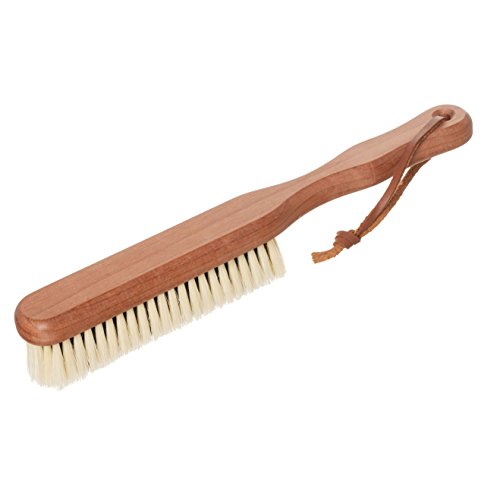

The Redecker Cashmere Brush is widely considered the gold standard for high-end natural fibers. Its design focuses on gently lifting fibers rather than dragging across them, which is essential when working with delicate materials like cashmere or fine merino.
This brush excels because it utilizes fine, soft natural bristles that mimic the action of a groomer for delicate wools. By gently realigning the fibers, it effectively removes pilling—the small, annoying fuzz balls that form on high-friction areas like underarms—without damaging the surrounding yarn construction.
It is important to remember that luxury fibers require a light touch. Avoid pressing the brush deep into the fabric, as this can cause unnecessary wear. Instead, use long, smooth strokes to maintain the yarn’s natural elasticity and drape.
The Gleener On The Go: Top Travel-Sized Option

The Gleener On The Go is a compact, versatile tool that addresses the reality of keeping garments tidy while traveling. It features a unique design that combines a specialized edge for de-pilling with a lint-brush surface for quick cleaning.
Because this tool is small, it fits easily into a project bag, making it a reliable companion for fiber enthusiasts who knit on the go. It allows for quick maintenance during a knitting retreat or while attending a fiber festival, ensuring that finished projects stay in pristine condition.
While it lacks the sheer surface area of a full-sized brush, its efficiency is unmatched for spot-cleaning. It acts as a preventative measure, removing debris before it becomes embedded in the stitch pattern and causes long-term fiber damage.
OXO Good Grips Furlifter: For Pet Hair Removal
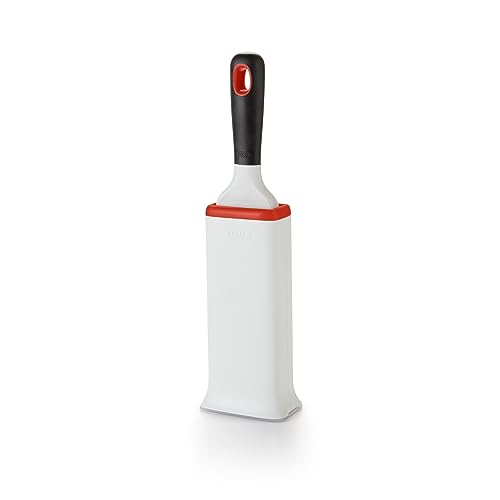
For households with pets, the OXO Good Grips Furlifter is a practical necessity rather than an accessory. Pet hair can easily migrate into the gaps between stitches, particularly in stranded colorwork or chunky knits where there is plenty of negative space.
The Furlifter uses a specialized microfiber surface that effectively grabs hair without snagging on delicate yarn ends or exposed fibers. This is a critical distinction, as traditional adhesive rollers can leave behind residue that actually attracts more dust and lint over time.
When using this on your hand-knits, always work in the direction of the knit fabric’s orientation. This prevents the lifting of the fiber halo, keeping the yarn looking soft and intentional rather than frayed.
Dritz Clothing Care Brush: Best Budget-Friendly

The Dritz Clothing Care Brush offers a simple, effective solution for those who want to maintain their wardrobe without a significant financial investment. It is a dual-sided tool that remains a staple in many sewing and knitting rooms for its straightforward utility.
The brush side is soft enough for everyday maintenance, while the lint-gathering side is perfect for picking up stray fibers after blocking a new project. It is particularly useful for light-weight cottons or synthetic blends that tend to attract static cling more aggressively than animal fibers.
While it may not provide the same level of luxury as a hand-crafted wooden brush, its reliability is hard to ignore. For a beginner building a toolkit, this provides the fundamental care necessary to keep finished pieces looking professional.
Lana Care Lanolin Brush: For Delicate Mohair
Mohair is a notoriously tricky fiber that is prone to tangling and losing its signature halo if treated incorrectly. The Lana Care Lanolin Brush is specifically designed to work with these delicate, ethereal fibers without causing them to mat or felt.
The bristles are spaced carefully to glide through the long mohair fibers, keeping them separated and soft. This is essential for garments like lace shawls where the goal is to maintain the lightness and transparency of the fabric while keeping it clean.
Always brush in the direction of the nap with this tool to maintain the luster of the mohair. If you find the brush pulling or catching, switch to a smaller, more concentrated area, ensuring you are not putting undue tension on the yarn’s core.
Kincaid Carbon Fiber Brush: For Knitting Machines
For those working with knitting machines, static buildup is a much more significant obstacle. The Kincaid Carbon Fiber Brush is designed to neutralize static electricity, which is common when yarn passes through the tension masts and needles of a machine.
This brush effectively discharges the static charge that accumulates as yarn moves through metal components. By keeping the yarn surface neutral, it prevents lint and airborne debris from bonding to the finished fabric as it knits off the machine.
Using this tool can significantly reduce the amount of post-production cleaning required. It is an essential investment for anyone serious about machine knitting, particularly when working with synthetic or high-twist, smooth yarns that are prone to static attraction.
Ona Large Brush: For a Gentle, All-Purpose Choice
The Ona Large Brush is an excellent investment for those with a large collection of hand-knits. Its size allows for quick coverage, making it ideal for maintaining large-surface projects like blankets or oversized sweaters.
The design emphasizes balance and ease of movement. The bristles are firm enough to remove surface-level debris but gentle enough to be used on delicate wool, alpaca, or silk blends without causing abrasion or pilling.
When caring for large-scale items, lay the garment flat on a clean surface before brushing. Work in sections to ensure consistent coverage and to prevent the fabric from stretching under the weight of your own hand.
How to Choose a Brush for Your Fiber Type
Choosing the correct tool requires an honest assessment of the fibers involved. Natural animal fibers like wool and alpaca respond well to soft, natural-bristle brushes that maintain the integrity of the yarn’s twist.
- For Mohair/Angora: Use soft, widely-spaced bristles to prevent matting.
- For Superwash Wool: Use a standard, medium-stiff bristle to lift surface dust.
- For Cotton/Linen: Use a firmer synthetic-blend brush to handle potential static buildup.
- For Synthetic Blends: Prioritize anti-static properties, as these fibers are magnets for dust.
If your garment has a high twist, you can be slightly more aggressive with the brush. If the yarn is loosely spun or single-ply, err on the side of caution with a much softer touch to avoid pulling the fibers out of their twist.
Natural vs. Synthetic Bristles: What’s Best?
The debate between natural and synthetic bristles often comes down to the desired level of aggression. Natural bristles, such as boar or horsehair, are inherently softer and provide a subtle polishing effect on the yarn.
Synthetic bristles are generally more durable and hold up better against static. They are often the better choice for everyday garments that are worn frequently and require regular, quick maintenance sessions to remove lint and debris.
Ultimately, the best choice depends on the finish you want. Natural bristles are ideal for heirloom-quality pieces that you want to preserve for decades. Synthetic options are perfectly acceptable and often highly effective for the high-traffic garments in your daily rotation.
Using Your Brush: A Step-by-Step Technique
Effective brushing is as much about technique as it is about the tool itself. Start by laying the garment perfectly flat on a stable surface, ensuring no part of the knit is bunching or stretching.
Use long, steady, rhythmic strokes moving from the top of the garment toward the hem. Avoid circular motions, which can encourage pilling and mess up the alignment of the yarn’s twist.
If you encounter a particularly stubborn spot of lint, do not dig into the fabric with the tips of the bristles. Instead, use a light tapping motion to loosen the debris before brushing it away. This simple patience saves your hard-earned knitting from unnecessary damage and keeps your projects looking fresh for years to come.
Taking these steps to maintain your hand-knits ensures that your labor of love remains as beautiful as it was when it came off the blocking board. With the right anti-static brush and a gentle hand, you can successfully combat the environment and wear that inevitably threatens every garment. Regular care is not just about cleanliness; it is an act of preservation that respects the effort invested in every stitch.