6 Best Loom Accessories For Multi-Shaft Conversion
Upgrade your weaving setup with these 6 best loom accessories for multi-shaft conversion. Discover the essential tools you need to expand your creative projects.
Transitioning from simple plain weave to more complex structures often feels like the natural evolution for any fiber artist who has mastered basic warping. While a dedicated multi-shaft loom is a significant investment, many rigid heddle owners can unlock sophisticated pattern potential through strategic upgrades. Expanding your shed capacity is the bridge between basic fabric production and the intricate world of float-based designs. These accessories allow for greater control over the warp, turning a standard rigid heddle frame into a far more capable production tool.
Schacht Second Heddle Kit: Best for Flip Looms
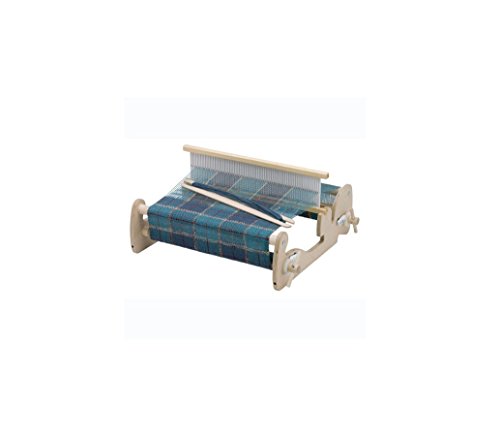

The Schacht Flip is a favorite among those who prioritize sturdiness and ease of use in their studio. Adding a second heddle block to this frame effectively doubles the warp density, enabling the weaver to explore twills and double weave structures.
Because the Flip is engineered with a specific frame geometry, this kit integrates seamlessly without requiring custom hardware modifications. It is the gold standard for those who want a reliable, manufacturer-approved path to 4-shaft-like capabilities.
Consider this upgrade if you find your current projects limited by the constraints of plain weave. When you are ready to experiment with tighter fabric structures or intricate pickup, this kit provides the mechanical stability necessary for consistent tension.
Ashford Second Heddle Kit: For Knitters Looms

Ashford’s approach centers on accessibility, and their second heddle kit for the Knitters Loom is remarkably straightforward to install. Designed to slide directly into the existing frame slots, it minimizes downtime so the focus stays on the actual weaving process.
This kit is particularly effective for those working with finer yarns that require a higher epi (ends per inch) to achieve a balanced cloth. By using two heddles, you effectively split the density, allowing for a much cleaner shed when the warp threads are packed tightly.
If you struggle with threads rubbing together during the shed change, this is the remedy. It creates a secondary lift point that prevents the “sticky” warp effect often encountered with natural fibers like wool or mohair.
Kromski Second Heddle Block: Essential Upgrade
The Kromski block system is a masterclass in minimalist design, providing a clean solution for those who prefer to keep their equipment footprint small. These blocks are crafted to fit snugly onto the frame of Kromski harps, ensuring that the second heddle remains perfectly parallel to the first.
Parallelism is the most critical factor in achieving a clean shed. If the heddles are even slightly misaligned, the warp will drag, causing uneven tension and potential fraying of delicate fibers like silk or high-twist cotton.
Always verify your specific loom model before purchase, as these blocks are precision-fitted. This upgrade is non-negotiable for anyone serious about weaving balanced 2/2 twills on a frame loom.
Glimakra Weaving Reeds: For Finer Threadwork
Upgrading your reed is often overlooked when pursuing multi-shaft conversion, yet it is the primary determinant of fabric drape. A reed with a higher dent count allows for the use of finer yarns, which is necessary when shifting toward complex weave structures that require more warp density.
- Low dent counts (5-8 DPI): Best for chunky, textured hand-spun or bulky weight yarns.
- High dent counts (10-15+ DPI): Required for traditional lace weights and fine weaving wools.
If your current reed is too coarse, you will find it impossible to create the “ground” necessary for detailed patterns. Investing in a high-quality stainless steel reed ensures that your warp threads remain perfectly spaced across the entire width of the project.
Ashford Pick-Up Sticks: For Manual Patterning

Pick-up sticks are the humble workhorses of the weaving world, serving as the bridge between manual intervention and complex mechanical patterns. While not a true shaft, using these sticks in conjunction with a second heddle allows for the creation of intricate motifs that mimic 4-shaft looms.
When you weave with these, you are essentially manually selecting warp threads to create floats. It is a slow, methodical process, much like hand-manipulated lace stitches in knitting, but the result is a unique, one-of-a-kind textile.
Do not be intimidated by the manual effort required. Using these sticks encourages a deeper understanding of how warp and weft interact, providing a tactile lesson in pattern design that no automated loom can replicate.
Texsolv Heddles & Pegs: A Versatile DIY Option
For the weaver who prefers a customizable setup, Texsolv offers a flexible alternative to traditional rigid heddles. These are polyester cord heddles that can be added to a loom frame to create a true, harness-based shed system.
- Longevity: These are significantly more durable than wire or metal heddles.
- Silence: They do not clatter against the reed, making for a quieter weaving experience.
- Flexibility: You can add or subtract heddles depending on the specific pattern width.
If you are a DIY-minded crafter, using Texsolv to build a custom heddle bar can save money while offering professional-grade results. It is the preferred choice for those who want to convert a simple frame into a multi-shaft system without purchasing proprietary, loom-specific kits.
Do You Really Need a Multi-Shaft Conversion?
Before investing, ask yourself if your current creative block is truly a hardware limitation or a design constraint. Plain weave is a vastly underrated technique capable of producing everything from sturdy rag rugs to delicate, gossamer-thin scarves.
If you are perfectly content with stripes, color-and-weave effects, and texture-heavy plain weaves, a second heddle may add unnecessary complexity. Keep in mind that more shafts mean more time spent dressing the loom and more room for potential errors in the threading draft.
Only upgrade if you find yourself actively designing for twills, satins, or basket-weave patterns. The most successful weavers are those who master the limitations of their current equipment before seeking to expand their mechanical reach.
2-Heddle Weaving vs. True 4-Shaft Looms
Understanding the difference between a 2-heddle setup and a dedicated 4-shaft floor loom is vital for managing your expectations. A 2-heddle setup on a rigid loom is a brilliant hack, but it remains a labor-intensive way to achieve multi-shaft results.
On a true 4-shaft floor loom, you press a pedal, and the shed opens automatically for that specific pattern combination. On a rigid heddle conversion, you often have to manually manipulate the heddles or combine them in specific sequences for each pick.
Choose the conversion if you enjoy the “hand-work” aspect of weaving and have limited space for a full floor loom. Choose the floor loom if your priority is production speed and the ability to weave long, complex yardage without constant manual adjustments.
Installing Your Second Heddle Kit: A Quick Guide
Successful installation hinges entirely on achieving consistent tension across both heddles. Begin by ensuring the loom frame is level and that the warp beam is locked firmly in place, as any movement during installation will cause long-term tension issues.
When mounting the second heddle blocks, use a bubble level to ensure they are parallel to the first set. Once installed, thread your warp through both heddles according to your chosen pattern draft, double-checking for “crossed” threads that could cause a jam later.
Before you begin weaving, do a test run with scrap yarn to calibrate your shed height. You are looking for a clear, unobstructed path for your shuttle; if the threads are catching, adjust the height of the secondary block until the shed is perfectly even.
Choosing the Right Reed for Multi-Shaft Weaving
The reed acts as the beating heart of your loom, determining the final hand and drape of your textile. When planning for a multi-shaft project, look at your yarn’s wraps per inch (WPI) and choose a reed that allows for a density that supports the specific weave structure.
If you choose a reed that is too fine, the warp will bind and cause breakage under the tension of a 4-shaft lift. Conversely, a reed that is too open will result in a flimsy, “gappy” fabric that lacks the integrity needed for clothing or table linens.
Always prioritize high-quality stainless steel over plastic or coated reeds if you plan to weave frequently. Steel reeds maintain their spacing indefinitely, ensuring that your warp density remains consistent from the start of the warp to the very end.
Selecting the right accessories for your loom is a balance between your current skill level and the complexity of the designs you wish to achieve. Whether you choose a simple second heddle kit to expand your pattern library or dive into custom Texsolv setups, the goal remains the same: to provide yourself with the tools that make your creative process more fluid. Take your time with the installation, respect the tension requirements of your fiber, and focus on the tactile joy of watching your design emerge from the warp. With the right hardware in place, the leap from plain weave to complex pattern work is well within your reach.