6 Best Loom Peg Replacements for Durability
Upgrade your loom with these 6 durable peg replacements. Discover materials that resist snapping and ensure long-lasting performance for all your craft projects.
There is nothing more frustrating than mid-project momentum coming to a screeching halt because a loom peg snapped under the tension of a chunky wool blend. As someone who has spent two decades at the loom, I know that the quality of your peg directly dictates the consistency of your stitch loops. Choosing the right replacement isn’t just about finding a piece that fits the hole; it’s about matching the material to your personal knitting tension. This guide will help you navigate the best replacements to keep your loom working as hard as you do.
KB Loom Replacement Pegs: The Gold Standard Choice


When you work with KB looms, you’re essentially working with the industry benchmark for modular knitting. Their replacement pegs are designed with a specific head shape that holds yarn securely without causing unnecessary splitting, which is vital when you’re working with multi-ply yarns that tend to fray.
The consistency of these pegs is what sets them apart from the pack. Because they are engineered for a precise friction fit, they won’t wobble during heavy-duty projects like double-knitting a dense, worsted-weight blanket.
If you own a KB loom, sticking with their proprietary replacements is the safest bet for structural integrity. They are the gold standard because they eliminate the guesswork of hole-alignment issues.
Authentic Knitting Board Metal Peg Upgrades

Transitioning from plastic to metal pegs is often the "aha!" moment for many loom knitters. If you find yourself frequently snapping pegs while working with high-tension fibers like cotton or tight-twist acrylic, metal is your best friend.
These pegs offer a much higher threshold for lateral pressure. When you’re pulling your working yarn taut to maintain a consistent gauge, metal pegs provide a rigid anchor that doesn’t flex or bend under the load.
The primary tradeoff here is weight and texture. Metal can be slightly "slicker" than plastic, meaning your yarn might slide off more easily if you aren’t attentive, but the durability gain is monumental.
CinDWood Crafts Replacement Loom Pegs Review

CinDWood has earned a cult following for a reason: they offer a level of customization that mass-produced looms simply cannot match. Their pegs are often praised for their smooth finish, which prevents snagging on delicate fibers like alpaca or merino.
These pegs are perfect for knitters who prioritize the "feel" of the yarn sliding over the peg. If you’re working on an intricate project where the yarn needs to glide effortlessly to maintain even tension, the quality of the peg surface is non-negotiable.
While they are a premium choice, the long-term value is high because they are less prone to the stress-cracking that plagues cheaper plastic alternatives. They are a professional-grade upgrade for any serious loom enthusiast.
Boye Loom Tool and Replacement Peg Kits Analyzed
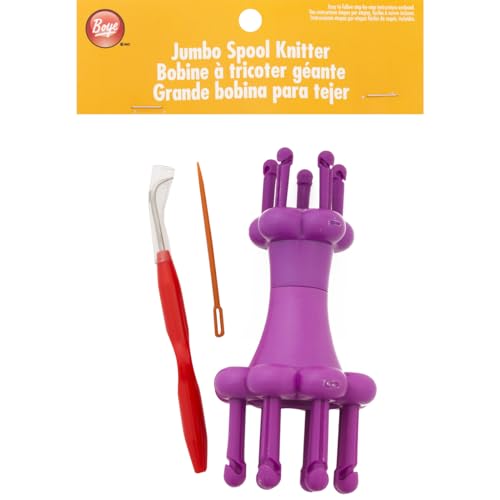
Boye kits are frequently found in big-box craft stores, making them the most accessible option for someone in a pinch. They serve as a reliable "emergency" fix when you need to get back to your project quickly without waiting for an online shipment.
However, these kits are generally designed for standard-weight yarns. If you are pushing your loom to its limits with super-bulky roving or heavy wool, these pegs might show signs of fatigue sooner than specialized brands.
They are excellent for beginners or those working on casual, low-tension projects. Just be aware that their versatility is their strength, but they aren’t necessarily built for the rigors of heavy-duty, high-tension knitting.
Darice Loom Peg Replacements for Plastic Looms

Darice replacements are the workhorses of the entry-level loom world. They are straightforward, functional, and fit a wide variety of generic plastic looms that lack a clear brand identity.
If you have an older, unlabeled loom that’s been sitting in your stash for years, these are often the best candidates to get it back into rotation. They are inexpensive, allowing you to replace an entire set of pegs without breaking the bank.
The main consideration is fit; because they are often used on "universal" looms, you might need a dab of non-toxic adhesive if the fit is slightly loose. For budget-conscious repairs, these are hard to beat.
Generic Universal Loom Pegs: Budget Friendly Picks
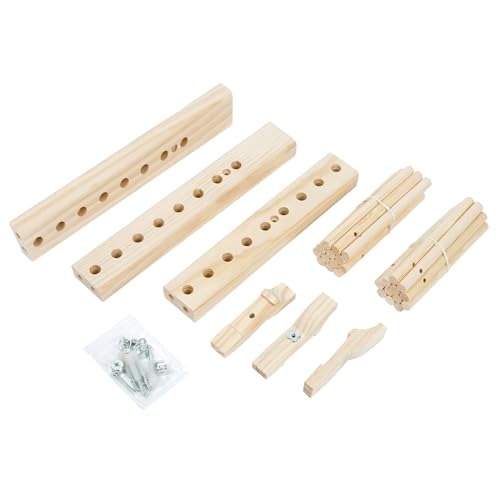
Generic pegs are the "utility player" of the loom world. You can find them in bulk online, and they are usually perfectly adequate for basic scarves and simple tube-knitting projects.
The downside is the lack of quality control regarding the plastic mold seams. A rough seam on a peg can shred your yarn as you lift the loops, which is a nightmare when working with expensive, single-ply hand-dyed yarns.
Before using them, I always recommend a quick pass with a fine-grit sandpaper to smooth out any plastic burrs. With a little bit of manual prep work, these generic pegs can serve you perfectly well for years.
How to Measure Your Loom Gauge for New Pegs
Measuring your loom gauge isn’t just about the distance between pegs; it’s about the diameter of the peg shank itself. If the shank is too thin, the peg will lean under tension; if it’s too thick, you risk cracking the loom frame.
Use a digital caliper to measure the diameter of your current, non-broken pegs. If you don’t have one, a simple ruler can work, but you must be precise to the millimeter.
- Small Gauge: Usually 1/4" to 3/8" spacing; requires thinner, sock-weight yarns.
- Large Gauge: Usually 1/2" to 5/8" spacing; ideal for bulky and super-bulky yarns.
- Peg Diameter: Ensure the shank matches the hole depth to prevent "wobble."
Plastic vs Metal Loom Pegs: Which Lasts Longer?
Metal pegs are the clear winner for longevity, especially if you are a "tight" knitter. Plastic pegs are susceptible to UV degradation and brittleness over time, especially if the loom is stored in a warm, dry environment.
However, metal pegs can be cold to the touch and heavy, which might fatigue your hands during long knitting sessions. Plastic offers a warmer, more tactile experience that many knitters prefer for extended projects.
Choose metal for heavy-duty, long-term looms and plastic for lightweight, portable projects where you don’t want the extra weight.
Step-by-Step Guide to Replacing Broken Pegs
- Remove the debris: Ensure the broken shaft of the old peg is completely cleared from the hole using needle-nose pliers.
- Clean the socket: Use a cotton swab with a tiny bit of rubbing alcohol to remove any residual plastic dust or debris.
- Test the fit: Insert the new peg; it should require a firm press but shouldn’t force the loom frame to expand.
- Secure if necessary: If the peg feels loose, a tiny drop of wood glue (for wooden looms) or a specialized plastic adhesive (for plastic looms) can provide a permanent fix.
Maintenance Tips to Prevent Loom Peg Damage
The most common cause of peg damage is excessive force during the "lift" phase of knitting. Instead of pulling the yarn straight up, try to pull it slightly toward the center of the loom to reduce the lateral stress on the peg.
Avoid leaving your loom in direct sunlight for extended periods, as the UV rays will make plastic pegs brittle and prone to snapping. I also recommend checking your pegs for "nicks" every time you cast on a new project.
If you find a rough spot, buff it immediately to prevent it from catching on your yarn fibers. A well-maintained loom is a loom that will last for decades of creative projects.
Replacing your loom pegs is a simple maintenance task that can dramatically improve your knitting experience and the quality of your finished items. By selecting the right material and ensuring a proper fit, you protect both your tools and your precious yarn stash. Whether you choose the rugged durability of metal or the familiar comfort of plastic, your loom will thank you with smoother, more consistent stitches. Happy knitting, and may your tension always be even.