7 Best Sewing Machine Cleaning Brushes For Lint Removal
Keep your machine running smoothly with our top 7 sewing machine cleaning brushes for lint removal. Read our expert guide and choose your perfect tool today.
Every fiber artist understands that a sewing machine is an extension of the needlework studio, especially when constructing garments or quilting heavy wool blankets. Over time, the internal mechanics of even the most expensive machines accumulate fine dust, microscopic fiber particles, and stray bits of thread. Neglecting this buildup causes tension issues and skipped stitches, which can ruin hours of careful fabric preparation. Keeping the machine clean is just as essential to a successful project as maintaining the proper tension for a specific yarn or thread weight.
Dritz Sewing Machine Lint Brush: The Classic Pick


This brush represents the standard design found in many basic sewing machine kits for a reason. Its slim, simple profile is engineered to reach into the feed dog area without needing to dismantle complex internal components.
For those working with highly shedding fibers like mohair or raw alpaca, this brush is a reliable daily companion. It effectively sweeps away the loose surface dust that inevitably accumulates during the assembly of a garment.
While it lacks the heavy-duty density of more expensive options, its compact size is a major advantage. It fits easily into any standard notion box, ensuring it remains accessible whenever a quick mid-project cleaning is required.
SINGER Double-Ended Brush: Your Go-To Workhorse

The dual-purpose nature of this tool provides a significant advantage when transitioning between delicate machine embroidery and heavy-duty garment construction. One end features a stiff bristle configuration perfect for dislodging stubborn, compressed lint, while the other offers a fine tip for precision clearing.
Consistency in machine performance relies on keeping the bobbin race free of obstructions. When working with fuzzy wool blends or high-shedding rayon threads, the extra stiffness in these bristles provides the necessary friction to clear the race without leaving residue behind.
This tool is designed for longevity, surviving the frequent cleanings required during intensive sewing sessions. It serves as a dependable workhorse that manages both the coarse debris from fabric edges and the fine particles generated by synthetic thread.
Hantop 10-Piece Cleaning Kit: Best Overall Value
Comprehensive kits provide the variety needed to address every nook and cranny of a sewing machine. Including brushes of different shapes and bristle textures allows for a tiered cleaning approach, starting with coarse removal and ending with fine detail work.
Buying in a set is the most logical choice for anyone who maintains multiple machines or keeps a dedicated station for different types of sewing. Having a spare brush on hand prevents the frustration of searching for a tool when a machine is mid-project and in need of maintenance.
This set effectively lowers the cost per unit, offering a professional-grade cleaning solution without the high price tag. For the budget-conscious maker who prioritizes machine health, this kit provides everything necessary to perform a deep, top-to-bottom clean.
Clover Double Ended Lint Brush: For Precision Work
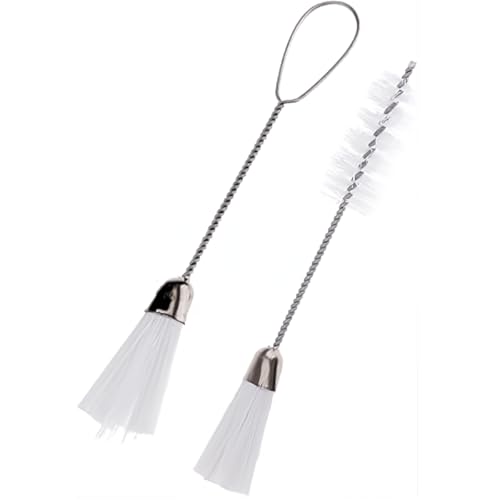
Precision is paramount when working with high-end machinery that utilizes tight tolerances. This tool is specifically crafted for those hard-to-reach corners where thread and dust become impacted.
The ergonomic design allows for a steady grip, reducing hand fatigue during a deep cleaning session. Because it is manufactured with quality materials, the bristles do not fray or shed into the machine’s internal gears, which is a common risk with cheaper alternatives.
It is an ideal choice for the perfectionist who prefers a deep, thorough clean over quick surface maintenance. Its ability to navigate the bobbin housing makes it an essential tool for avoiding the dreaded tension snags caused by trapped debris.
Tula Pink Hardware Brush: The Ultimate Multi-Tool

This brush is engineered with an aesthetic flair that does not sacrifice functional utility. It provides a unique balance of bristle density and handle length, making it a versatile addition to any sewing kit.
The stiffness of the bristles is optimized for dislodging the compacted fiber dust common when working with heavy cottons or wool. It allows for a more vigorous cleaning motion in the feed dog tracks, ensuring that no stray fibers interfere with fabric transport.
While it serves a decorative function for many collectors, its real value lies in its durability and reach. It handles the rigors of frequent use with ease, standing up to the constant friction required to clear out microscopic lint particles.
Long Flexible Serger Brush: For Hard-to-Reach Areas
Sergers and overlock machines are notorious for trapping dust in deeply recessed areas that standard brushes cannot reach. This long, flexible tool is specifically designed to snake into those tight, mechanical cavities.
The flexibility of the handle is the defining feature, allowing the user to navigate around sharp metal components and tension springs. Without this level of reach, lint builds up in unseen areas, eventually leading to uneven stitch formation or excessive machine heat.
For those who rely on sergers for finishing knit edges or securing seam allowances, this brush is non-negotiable. It ensures that the internal air paths remain clear, keeping the machine running cool during long sessions of continuous construction.
Honbay Nylon Brush Set: Top Budget-Friendly Choice
Nylon brushes offer a soft yet resilient touch that is gentle on the precision-engineered parts of a modern machine. These are excellent for daily maintenance where a light sweep is enough to prevent a massive buildup.
This set is particularly useful for beginners who are just starting to build their toolkit. Because they come in a multipack, these brushes can be kept at various workstations, ensuring that the machine is never cleaned with an improvised or inappropriate tool.
They provide basic, essential functionality without unnecessary bells and whistles. For the maker who values simplicity and economy, this set offers a straightforward path to effective machine hygiene.
How to Properly Clean Your Machine’s Bobbin Area
The bobbin case is the heart of the sewing machine, and keeping it clear of lint is the single most important maintenance task. Start by removing the needle plate and the bobbin case itself to reveal the race beneath.
Use your chosen brush to gently sweep away the compacted dust, working from the inside out to avoid pushing debris deeper into the mechanical parts. Always sweep toward the opening to ensure the lint is fully removed from the housing.
Avoid blowing into the area, as this often forces lint deeper into the machine’s internal motor or sensors. Instead, use a brush to lift the debris away and a damp cloth to wipe down any surfaces that are accessible without mechanical disassembly.
Nylon vs. Natural Bristles: Which Is Best for Lint?
Nylon bristles are generally preferred for sewing machine maintenance due to their synthetic nature and consistent texture. They do not hold onto dust particles as aggressively as natural hair brushes, which is vital when cleaning internal components.
Natural bristles, while softer, can sometimes shed fibers into the machine, potentially creating more mess than they remove. They are also prone to retaining moisture, which is counterproductive when working around delicate metal parts that require a dry environment.
For the vast majority of sewing applications, synthetic nylon is the superior choice. It offers the perfect balance of rigidity for scrubbing and pliability for reaching into tight gaps, all while remaining durable enough for long-term use.
The Truth About Using Canned Air on Your Machine
The use of canned air is a contentious topic among sewing machine technicians, and for good reason. While it provides an instant visual cleaning, it often acts as a delivery system for dust rather than a removal method.
High-pressure air can easily force tiny, abrasive lint particles into the machine’s circuit boards, motor, or sensitive electronic sensors. This practice can lead to erratic behavior or premature failure of the machine’s internal components over time.
Additionally, canned air can sometimes spray a cold, liquid propellant if the canister is tilted, which can damage plastic parts or internal lubricants. Whenever possible, rely on mechanical removal with a brush and a vacuum nozzle to safely extract lint from the machine.
Properly maintaining a sewing machine with the right tools ensures that projects progress smoothly without the interruption of tension issues or mechanical failures. By investing in dedicated cleaning brushes and committing to a regular maintenance schedule, the life and performance of the machine are significantly preserved. Focus on mechanical removal rather than shortcuts, and the equipment will remain a reliable partner for many years of creative work.