7 Best Anti-Fatigue Mats For Standing At Machines
Boost productivity and comfort with our top 7 anti-fatigue mats. We evaluate durability, ergonomic support, and surface grip to help you stand safer at work.
Standing at a knitting machine for hours can be as physically demanding as a marathon lace project. Without proper support, the repetitive motion of carriage passes leads to lower back strain and foot fatigue that ruins your creative flow. These seven mats are designed to keep you standing comfortably while you focus on your tension and stitch patterns. Investing in the right surface is just as important as choosing the right yarn weight for your gauge.
Sky Solutions Anti-Fatigue Mat: Best Overall Pick
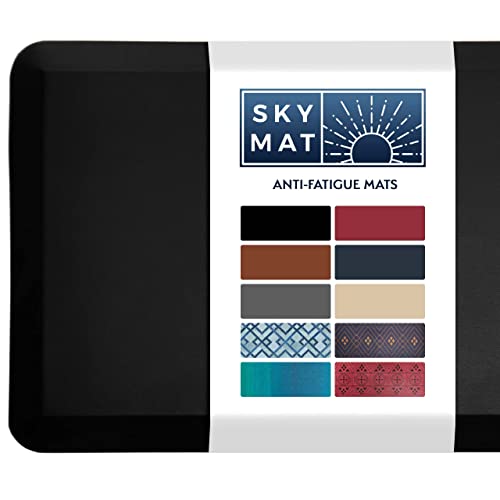

When you are deep into a complex, multi-color sweater project, you don’t want to be thinking about your sore arches. The Sky Solutions mat offers a perfect balance of firmness and "give," which is essential for long sessions at the machine.
It features a proprietary foam core that supports your weight without bottoming out. This is crucial when you are shifting your weight to push a heavy carriage across a full-width bed.
The beveled edges prevent the dreaded "trip and fall" scenario in a crowded studio. It provides a stable, cushioned foundation that lets you focus entirely on your needle bed and yarn tension.
ComfiLife Anti-Fatigue Floor Mat: Best for Comfort
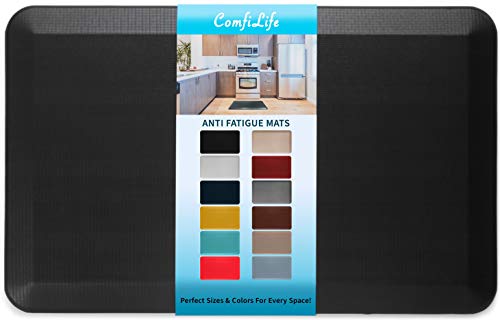
If you have sensitive feet or struggle with joint pain during long knitting marathons, this mat is your best friend. It utilizes a high-density foam that feels almost like standing on a cloud.
The texture is soft enough to provide immediate relief but firm enough that you won’t feel unstable. Think of it like the difference between working with a stiff, unyielding wool versus a soft, lofty alpaca blend—it’s all about the tactile experience.
Because it is so soft, it is ideal for those who prefer to knit in socks rather than shoes. Just keep in mind that it is quite plush, so ensure your machine height is adjusted accordingly so you aren’t leaning too far down.
NewLife by GelPro Designer Mat: Best for Durability

Knitting machine stations are often high-traffic areas prone to dropped needles, stray yarn fibers, and occasional oil spills. The NewLife mat is built to withstand this environment without showing wear.
Its high-quality polyurethane construction is incredibly resilient. It doesn’t trap dust or lint, which is a massive bonus if you work with "sheddy" fibers like mohair or angora.
While it is slightly firmer than the comfort-focused options, it offers excellent energy return. This helps reduce the fatigue that accumulates when you are standing still for hours while troubleshooting a dropped stitch.
Kangaroo Original Standing Mat: Best Value Choice

You don’t need to break the bank to improve your studio ergonomics. The Kangaroo mat provides a solid, reliable surface that gets the job done without unnecessary bells and whistles.
It is lightweight and easy to move, which is great if your machine station doubles as a sewing or blocking area. The bottom is designed with a non-slip backing that stays put even on slick hardwood floors.
While it might not have the long-term longevity of professional-grade mats, it is an excellent entry point. It is a practical choice for makers who are just starting their machine knitting journey and want to prioritize their budget for high-quality yarn.
Royal Anti-Fatigue Mat: Best for Long Sessions

When you are production knitting—perhaps churning out dozens of hats for a craft fair—you need a mat that won’t lose its bounce. The Royal mat is engineered for extended, repetitive standing.
Its structure is designed to encourage micro-movements, which helps improve circulation in your legs. This is the difference between feeling drained after a session and feeling ready to tackle the next project.
The surface is also quite easy to clean, which is essential if you are working with dyed yarns that might leave marks. It is a robust, no-nonsense tool for the serious machine knitter.
Ergodriven Topo Comfort Mat: Best Ergonomic Shape

This mat is a game-changer for those who like to move while they work. Its unique, contoured surface features various ridges and bumps that allow you to stretch your feet and ankles while you stand.
If you find yourself shifting your weight constantly while waiting for the carriage to return, this mat actively encourages that movement. It helps prevent the stiffness that sets in after hours of static standing.
It is definitely a different experience than a flat mat. However, for those who struggle with calf tightness, the ability to "roll" your feet over the contours is a massive ergonomic benefit.
Imprint CumulusPRO Mat: Best Professional Grade
If your machine station is your primary workspace, the CumulusPRO is the gold standard. It is constructed with high-end, commercial-grade materials that are designed to last for years.
The mat is remarkably dense, providing a level of support that feels substantial underfoot. It doesn’t just cushion; it stabilizes your stance, which is helpful when you are working with heavy, complex machinery.
It is antimicrobial and stain-resistant, making it perfect for a busy studio environment. While it is an investment, it is an essential piece of equipment for anyone who spends their entire day at the machine.
How to Choose the Right Mat for Your Workstation
Selecting the right mat starts with assessing your floor type and your personal standing style. If you have hard concrete floors, you need a thicker, more cushioned mat to protect your joints from the impact.
Consider the layout of your studio as well. If you have to move between your machine, your yarn stash, and your blocking table, a mat with a non-slip base is non-negotiable.
- Thickness: Aim for 3/4 inch for maximum comfort.
- Material: Polyurethane is generally more durable than basic PVC foam.
- Surface: A textured surface provides better grip, but a smooth surface is easier to sweep clean of fiber debris.
Essential Features for Knitting Machine Comfort
When evaluating a mat, look for beveled edges to prevent catching your feet or your yarn. A mat that is too thick or has a sharp edge can actually become a tripping hazard in a busy studio.
The "bounce-back" factor is equally important. You want a mat that returns to its original shape instantly, rather than one that stays compressed after you step off.
- Non-slip backing: Critical for safety on smooth studio floors.
- Stain resistance: Essential if you work with oils, lubricants, or dark-dyed yarns.
- Size: Ensure it is wide enough to accommodate your full stance while operating the carriage.
Tips to Reduce Strain While Standing at Machines
Even with the best mat, your body needs variety to stay healthy. Try to shift your weight from one foot to the other every few minutes to keep your muscles engaged and blood flowing.
Incorporate small stretches for your calves and lower back between projects or when changing yarn colors. If you are working on a long project, set a timer to remind yourself to step away from the machine for a few minutes.
Finally, ensure your machine is at the correct height. If you are leaning forward, you are putting unnecessary strain on your neck and shoulders, regardless of how good your mat is.
Finding the right anti-fatigue mat is about prioritizing your long-term health so you can keep creating for decades to come. Whether you choose a plush, comfort-focused mat or an ergonomic, contoured design, your feet will thank you after your next long session. Take the time to evaluate your specific studio needs, and don’t be afraid to invest in your physical comfort. Happy knitting, and may your carriage always move smoothly across the bed.