6 Best Book Binding Awls For Hole Punching That Last
Looking for the best book binding awls? Discover our top 6 durable picks for precise hole punching and elevate your craft. Shop our recommended tools today!
Achieving precision in handmade bookbinding requires the same attention to detail as maintaining consistent tension in a complex cable stitch. Much like selecting the right needle size to achieve the perfect gauge for a delicate lace shawl, choosing the correct awl determines the structural integrity of your finished journal or album. Poorly formed holes can lead to frayed paper and misaligned signatures, much like a skipped stitch compromises a garment’s seam. This guide evaluates the most reliable tools on the market to ensure the mechanics of your binding are as sturdy as the craftsmanship of your knitting.
C.S. Osborne No. 497: Best Heavy-Duty Awl


The C.S. Osborne No. 497 is the gold standard for those working with thick, multi-signature books or dense leather covers. Its substantial steel construction allows it to pierce through stubborn materials without bending or snapping under pressure.
This tool is designed for endurance, mirroring the reliability of stainless steel circular needles when working with heavy-worsted or bulky weight yarns. It excels when the project demands significant force, such as piercing through thick chipboard or several layers of heavy-weight watercolor paper.
Because of its size and weight, it may feel cumbersome for smaller, delicate projects. However, for the serious bookbinder, this is a “buy-it-once” tool that remains sharp through years of consistent use.
Tandy Leather Basic Awl: Top Pick for Beginners
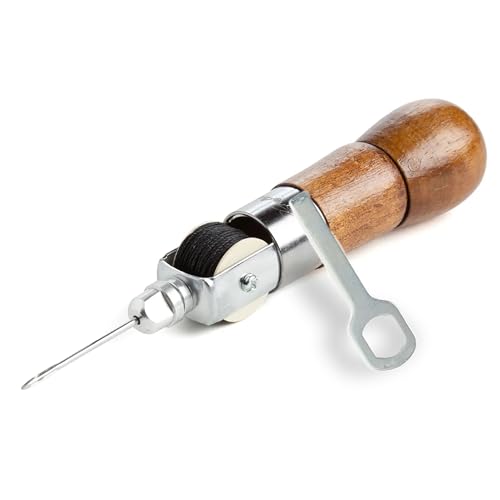
Starting out in bookbinding, much like learning to knit with affordable yet functional needles, requires tools that provide feedback without overwhelming the user. The Tandy Leather Basic Awl offers a predictable, standard geometry that helps develop the muscle memory needed for spacing hole intervals.
The wooden handle provides a comfortable, natural grip that avoids the slipping common with cheaper plastic alternatives. It is perfectly weighted for those who have not yet mastered the force needed to penetrate paper, allowing for gentle, controlled piercing.
While it lacks the specialized engineering of high-end, precision-ground awls, its simplicity makes it an excellent starter piece. It serves the same purpose as a mid-range bamboo needle—reliable enough to learn on while keeping the entry cost low.
Japanese Screw Punch: For Perfect, Clean Holes
A Japanese screw punch operates differently than a traditional awl by rotating through the material rather than pushing through it. This shearing action produces exceptionally clean holes, effectively preventing the “tearing” or fuzzy edges that can occur when punching through soft, fibrous paper.
For projects featuring luxury papers or delicate handmade stocks, this is the superior choice. It eliminates the distortion that a tapered awl might cause, ensuring that your thread passes through a crisp, perfectly circular aperture every time.
Be aware that these require purchasing specific bit sizes, adding a layer of maintenance and cost similar to buying individual fixed needles for different yarn weights. It is an investment in professional-grade presentation.
Ullman Precision Awl: Best for Fine Detail Work
The Ullman Precision Awl is designed for those moments when accuracy is the only priority. Its ultra-fine point is ideal for working with thin, elegant signatures where small hole spacing is required to prevent paper tear-out.
This tool functions much like a set of lace needles, offering the sharpness required to navigate intricate work without damaging the surrounding fibers of the paper. It is essential for miniature books or delicate stationary projects where the margin for error is razor-thin.
Because the tip is so fine, it can be fragile if used with heavy force or thick materials. Reserve this tool for the final, finishing steps rather than heavy-duty assembly.
WoodRiver T-Handle Awl: Most Ergonomic Grip
Repetitive motion in bookbinding can lead to hand fatigue, much like knitting for hours on small-diameter needles can strain the wrists. The T-handle design of the WoodRiver awl allows the palm to provide the force, rather than the fingers, significantly reducing pressure on the joints.
This ergonomic approach is a game-changer for those suffering from arthritic discomfort or those tackling large-batch production runs. It keeps the wrist in a neutral position, allowing for consistent downward pressure without sacrificing control.
While it may not provide the same fine-motor feedback as a pen-style awl, the ergonomic benefits far outweigh the loss in tactile nuance. It is a highly practical choice for the studio artisan.
Dritz Stitching Awl: A Versatile Sewing Classic
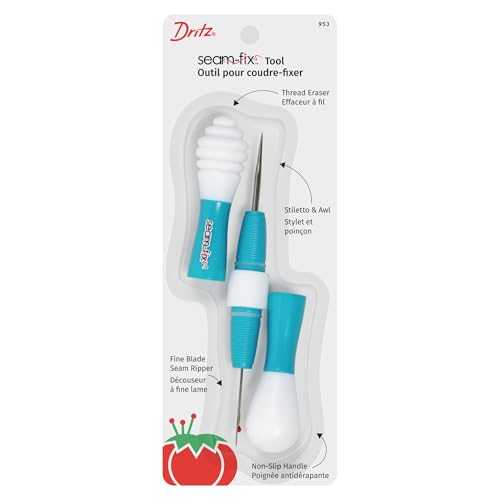
The Dritz Stitching Awl is a multi-purpose tool that bridges the gap between leatherwork and bookbinding. It is designed for those who appreciate the efficiency of a tool that handles both piercing and thread-looping in a single pass.
If you are incorporating sewn leather covers or canvas wraps into your bindings, this tool offers the reach and grip necessary for structural sewing. It acts as a reliable workhorse for mixed-media projects that require more than just simple hole punching.
It is perhaps overkill for basic, clean paper bindings, but for the versatile maker who drifts between disciplines, it is a staple. Think of it as a quality locking stitch marker—small, simple, but endlessly useful in a variety of situations.
How to Choose the Right Awl For Your Project
- Material Density: Use heavy-duty, tapered steel for chipboard and leather; use precision, fine-tipped awls for delicate, lightweight papers.
- Hand Health: If you notice tension or pain during long sessions, opt for a T-handle or palm-grip awl to minimize joint strain.
- Hole Geometry: Decide if a tapered hole (created by a traditional awl) fits your binding style or if a perfectly cylindrical hole (via a screw punch) is necessary for your aesthetic.
- Skill Level: Beginners benefit from a standard wooden-handle awl, which teaches the necessary touch and control before moving to specialized, high-precision tools.
Straight vs. Tapered Awls: What’s the Difference?
A straight awl maintains a consistent diameter along its working length, ensuring every hole is uniform. This is vital when the diameter of your thread perfectly matches your hole size, as it keeps the paper from bunching.
A tapered awl widens as it progresses, which is useful when you need to adjust the hole size on the fly by pushing the tool in further. However, it can distort the paper if pushed too deep, creating a conical hole that might feel loose if the thread is too thin.
Select a straight awl for structural consistency and a tapered awl if you need versatility across different paper thicknesses. Much like choosing a needle tip, the geometry dictates how the material behaves under tension.
Safety Tips for Punching Holes with a Sharp Awl
- Mind the Hand: Always punch away from your body and keep your supporting fingers well away from the path of the awl.
- Use a Mat: A self-healing cutting mat is essential; it protects the tool’s point from dulling against hard surfaces and provides the necessary friction.
- Maintain Control: Never force an awl through material with a “jabbing” motion; use a steady, firm pressure to prevent the tool from slipping.
- Cap It: Always replace the safety cap or store the awl in a protective sheath when not in active use to prevent accidental punctures.
How to Keep Your Bookbinding Awl Sharp and Ready
A dull awl tears paper rather than piercing it, leading to sloppy, weak bindings. Use a fine-grit honing stone to periodically sharpen the point, maintaining the original angle of the grind.
Just as one would avoid using rusted knitting needles to prevent snagging delicate mohair, keep your awl clean of paper dust and residue. A quick wipe with a light machine oil can prevent corrosion, especially for high-carbon steel tools.
Store your tools in a dedicated block or rack to prevent the tips from clashing with other metal implements. A sharp, well-maintained tool is the hallmark of a disciplined artisan, ensuring that every project starts with clean, professional foundations.
Choosing the right awl is a fundamental step in ensuring your books stand the test of time and handling. By considering the specific material requirements and your own ergonomic needs, you can elevate your craft to a professional level. Treat these tools with the same care as your finest needles, and they will support your creativity for years to come.