6 Best Fabric Trimmers For Pilling Removal To Own
Restore your clothes to like-new condition with our top 6 fabric trimmers for pilling removal. Read our expert reviews and choose the best tool for your closet.
There is nothing more disheartening than finishing a months-long lace shawl or a complex colorwork sweater, only to see it look worn and matted after just a few wears. Pilling is the inevitable consequence of friction, especially with high-twist wools or soft, lofted fibers that prioritize warmth over durability. While fiber choice is the primary factor, the right maintenance tools can effectively rejuvenate a project, extending its lifespan significantly. These six fabric trimmers represent the gold standard for restoring the stitch definition and crispness of handmade knitwear.
Gleener Fabric Shaver & Lint Brush: Best All-in-One


The Gleener stands out because it eschews electricity entirely in favor of a clever, interchangeable head system. It provides three distinct edges, each calibrated for different fabric weights, from delicate cashmere to heavy, hand-knitted wool coats.
For the serious maker, this manual approach offers unparalleled control. Because there is no motor, there is zero risk of “nicking” the yarn or accidentally cutting a stitch, a common fear when reviving prized hand-knits.
- Edge 1: Best for bulky, heavy-weight knits.
- Edge 2: Ideal for mid-weight, everyday sweaters.
- Edge 3: Designed for delicate fibers like alpaca or cashmere.
The inclusion of an integrated lint brush is the final touch for finishing a garment. If you prefer to feel the resistance of the fabric under your hand, this is the most secure method for garment longevity.
Conair Fabric Defuzzer: Best Budget Electric Pick

The Conair Fabric Defuzzer is a staple in most households for a reason: it is affordable, widely available, and surprisingly capable. It uses a standard rotary blade system that effectively clears surface fuzz from stable, tightly knit garments.
This tool is best suited for machine-washable wools or cotton blends that can withstand a bit of mechanical stress. It operates quickly, making it a practical choice if you have a large inventory of store-bought or machine-knit sweaters that need a seasonal refresh.
However, proceed with caution on hand-knits with complex textures or loose tension. The blade shield is standard, but the speed of the motor can catch a stray yarn end if the pressure is too high.
Beautural Fabric Shaver: Most Powerful Motor
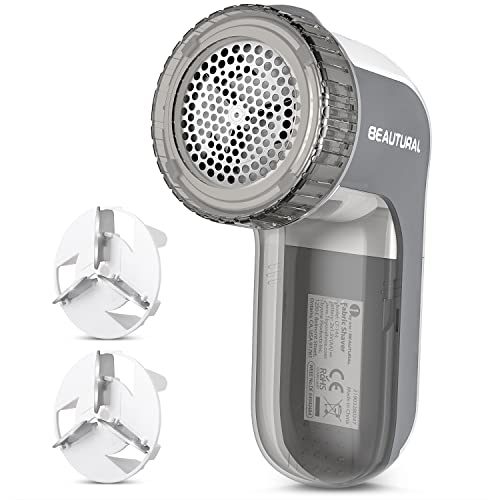
If you are dealing with significant pilling on sturdy, dense sweaters, a high-torque motor is essential to prevent stalling. The Beautural features a robust motor that maintains consistent blade speed even when encountering thick clusters of fibers.
The adjustable height spacer is the highlight here, allowing for different levels of closeness. This is vital when working on garments with varying stitch patterns, as it keeps the blades from digging into cable work or textured bobbles.
Remember that power requires diligence. Always start on the lowest setting and test on an inconspicuous area, such as the inside of a side seam, before working over the front of the garment.
The Sweater Stone: Best for Heavy, Sturdy Knits
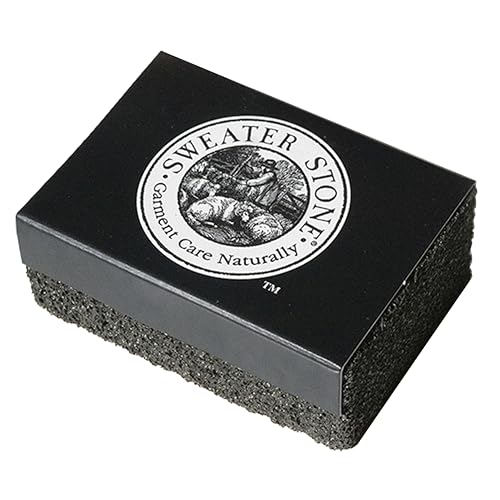
The Sweater Stone is a specialized pumice-like block that works by raking across the surface of the fabric. It is a primitive, highly effective tool for heavy, felted, or very durable wool knits.
This tool does not “cut” the pills so much as it breaks them off and pulls them away from the base of the fabric. It is particularly good for dense, rustic wools that might otherwise clog the blades of an electric shaver.
Avoid using this on anything delicate, like silk-blends or loosely spun angora. It is purely for the heavy-duty workhorse sweaters that see daily wear throughout the winter months.
Philips Fabric Shaver: Best for Delicate Fabrics
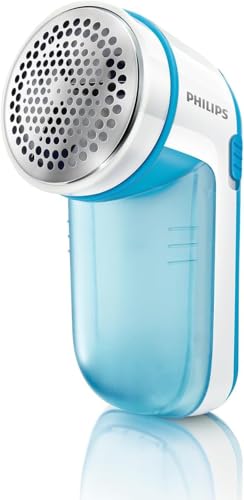
The Philips model is engineered with a gentle touch, making it the preferred choice for expensive, fine-gauge fibers. Its blade system is designed to provide a very close, uniform shave without pulling at the delicate structure of the knit.
For hand-knitted projects made with luxury fibers like silk, mohair, or ultra-fine merino, this shaver minimizes the “drag” that leads to thinning fabric. It effectively removes the fuzz while respecting the integrity of the stitch.
Because it is so effective on fine work, it takes longer to clear large areas. Treat this as a precision tool for your most valuable, time-intensive projects rather than a quick fix for everyday wear.
Alwayslux EasyLint Shaver: Best Corded Option

Battery-operated shavers often lose torque as their power cells drain, leading to uneven results and stalling. The Alwayslux provides a constant, reliable stream of power, ensuring the blades spin at a steady RPM from start to finish.
This is a significant advantage when you have a full wardrobe of knitwear to maintain at the end of the season. You never have to worry about running out of power halfway through a project.
The corded nature means you are tethered to an outlet, but the trade-off is superior consistency. It is the best choice for a dedicated “knitwear spa day” where you are processing multiple garments in one sitting.
How to Safely Use a Fabric Shaver on Your Knits
Always place the garment on a flat, hard surface, such as an ironing board or a tabletop. Laying the fabric flat ensures an even surface and prevents the blades from dipping into folds or seams.
Never apply heavy pressure. Let the tool glide over the surface of the yarn, allowing the blades to do the work rather than the force of your hand. If the tool is pushing against the fabric, you are applying too much weight.
Check the collection chamber frequently. A full chamber can impede the airflow and effectiveness of the blades, leading to overheating or the machine catching on the yarn.
What Actually Causes Your Favorite Sweaters to Pill?
Pilling occurs when short, broken fibers work their way to the surface of the fabric, usually due to friction against other surfaces like jacket linings or seatbelts. The more a fiber is processed or the shorter the staple length, the more likely it is to pill.
Highly twisted, long-staple wools are naturally more resistant to pilling than soft, lofty, or low-twist yarns. If a sweater is prone to pilling, it is often a result of the tension during knitting combined with the natural behavior of the fiber itself.
While high-quality yarn minimizes the rate of pilling, no natural fiber is entirely immune. Pilling is simply a sign that the garment is being used and loved, rather than a defect in the knitting itself.
Electric Shaver vs. Manual Tools: Which is Best?
Electric shavers offer speed and efficiency, making them ideal for large-scale maintenance. However, they rely on sharp blades that can permanently damage a hand-knit if they catch a snag or a loose end.
Manual tools, like the Gleener or a Sweater Stone, offer tactile feedback. You can feel the resistance, allowing you to stop immediately if you sense that the tool is pulling on the yarn structure.
Choose electric for flat, dense, or machine-knitted items. Use manual tools for your most complex hand-knitted pieces where maintaining the long-term integrity of the yarn is more important than speed.
Maintaining Your Fabric Shaver for a Longer Life
Clean the blades after every single use to prevent fiber buildup. Even small amounts of lint can dull the blades over time, requiring you to apply more pressure, which increases the risk of damaging your knitwear.
Keep the blade guard free of dust, and if the model allows for oiling, follow the manufacturer’s recommendations. Dull blades are the primary cause of fabric damage, as they tear at the fibers instead of slicing through them cleanly.
Store the tool in a dry, cool place to prevent the metal components from oxidizing. With basic maintenance, a high-quality fabric shaver will last for many years of garment care.
Regular maintenance is the hallmark of a mindful knitter who respects the hours put into their craft. By selecting the right tool for your specific fibers and using it with patience, you ensure your hand-knits remain as beautiful as the day you cast them off. Invest in your tools as carefully as you select your yarn, and your projects will reward you with years of wear.